Best Wood Stove Fans for Efficient Heat Distribution in a Cozy Home
Maximizing warmth from a wood-burning stove means choosing a reliable heat-powered fan that quietly circulates warm air without electricity. This guide highlights top options and what to look for when selecting a stove fan, including durability, blade design, temperature safeguards, and added accessories like thermometers. Each product below is chosen for its relevance to wood stoves, efficiency, and user-friendly features.
| Product | Brand | Key Feature | Includes Thermometer |
|---|---|---|---|
| JossaColar Wood Stove Fan | JossaColar | Heat powered, aluminum blade | Yes |
| Miaton Wood Stove Fan (Thermoelectric) | Miaton | Dual motor option, heat powered | Yes |
| VODA Wood Stove Fan | VODA | Heat powered, 8 blades | Yes |
| BLFIRE Wood Stove Fan | BLFIRE | Dual motor, quiet | Yes |
| GALAFIRE 4-Blades Fan | GALAFIRE | Compact, self-start at heat | Yes |
All products listed are non-electric, relying on heat to drive rotation. They include built-in safety features to protect the unit and the stove, and many ship with a thermometer to help monitor stove temperature. When heat is used efficiently, homes stay warmer with less wood consumption and more even room temperature.
JossaColar Wood Stove Fan Review

The JossaColar heat-activated stove fan operates without batteries, powered purely by the stove’s heat. This makes it a practical accessory for wood-burning stoves and heaters. A compact aluminum blade design concentrates heat distribution efficiently around the room, enhancing warmth where it’s most needed. The package includes a magnetic thermometer, enabling temperature monitoring as the stove begins to reach its operating range. A 1-year warranty plus 2-year replacement support offers peace of mind for long-term use. The fan measures approximately 6.5 inches long and 7.7 inches high, making it suitable for many standard stoves and log burners.
Key considerations include heat activation efficiency, blade durability, and how evenly the fan distributes heat. With an upgraded aluminum blade, this model aims to spread warmth more broadly, helping reduce cold spots near floor level and in corners. Its maintenance needs are minimal—basic cleaning and periodic checks of the thermometer. For households seeking a simple, battery-free option with reliable support, the JossaColar model provides a balanced mix of performance and value.
Miaton Wood Stove Fan Heat Powered

This Miaton model features a dual motor design, expanding airflow capacity and versatility for use with various heaters beyond wood stoves. As a heat-powered device, it runs without electricity, making it a dependable option during outages. A built-in thermometer helps track stove temperature, so users can optimize performance and protect the unit from overheating. The design emphasizes durability, with corrosion-resistant aluminum components that tolerate high temperatures. An included mounting bracket supports flexible placement, allowing the fan to cover larger areas in living spaces that require even heat distribution.
From a performance perspective, the dual-motor setup provides stronger air movement, while the heat-activated mechanism ensures the fan activates as soon as the stove reaches its operating range. This model suits homes where campers or backup heating scenarios may occur, providing consistent warmth with minimal supervision. Regular inspection of the temperature sensor and careful positioning away from direct flame contact will prolong life and maintain efficiency.
VODA Wood Stove Fan With Thermometer
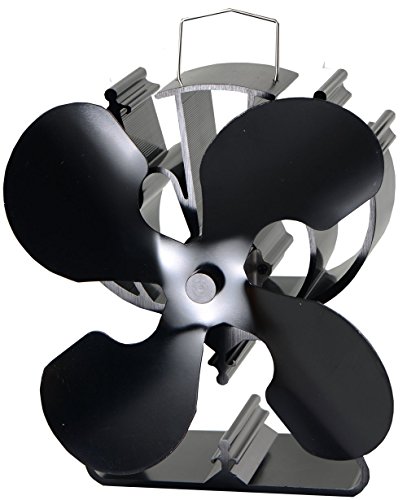
The VODA heat-powered fan emphasizes air diffusion across the room with an 8-blade design for greater air volume. The package includes a thermometer and an aroma pod, allowing users to diffuse fragrance alongside warmth for a cozier environment. Its dual value proposition—enhanced heat circulation and added scent—appeals to households seeking a more holistic heating experience. The 2-year warranty and responsive support provide assurance for ongoing use. While higher blade counts can boost airflow, users should ensure proper clearance from the stove rim to avoid heat damage.
Performance notes highlight how heat level affects airflow: higher stove temperatures yield stronger circulation, helping reduce cold spots between seating areas. Practical considerations include ensuring the thermometer is placed in a visible spot and that the aroma pod is filled with safe, compatible fragrances. The model’s sturdy construction should withstand routine household use while contributing to overall energy efficiency by maximizing heat transfer into living spaces.
Miaton Oscillating Wood Stove Fan
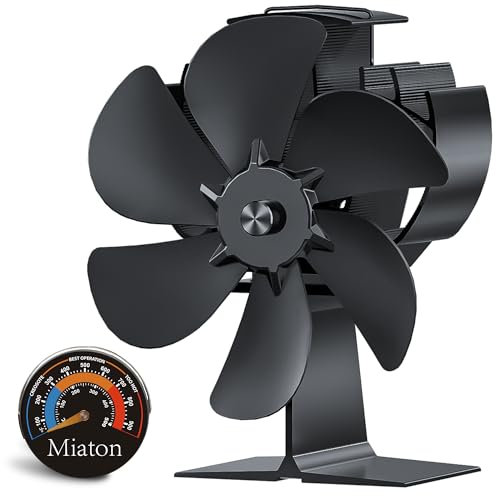
This Miaton model uses heat to power a non-electric cocoon fan and features oscillation, enabling heat distribution across a wider area. The 5-blade design offers a balance between quiet operation and effective air movement. The aluminum body provides durability and resistance to high temperatures, while an integrated thermometer helps monitor performance. The oscillation mode spreads warmth more evenly, making it suitable for larger rooms or irregular layouts where heat tends to stratify near the ceiling.
User considerations include the oscillation switch placement and how quickly the fan responds to changes in stove temperature. The adjustable blade geometry helps optimize airflow for room size and furniture placement. As with other heat-powered fans, the absence of batteries or wiring reduces clutter and ongoing costs, reinforcing energy efficiency through improved heat utilization.
BLFIRE Wood Stove Fan With Dual Motors
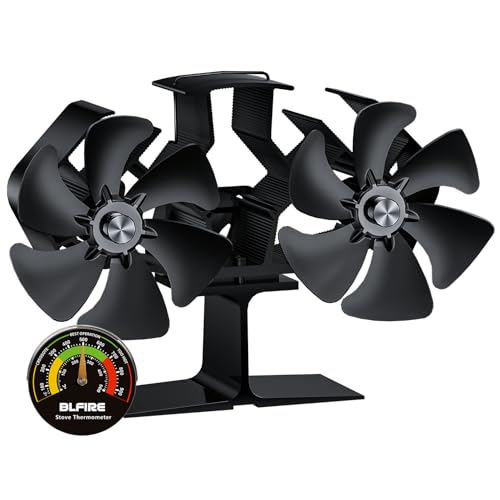
BLFIRE’s dual-motor design pushes more warm air than single-motor counterparts, promoting quicker room warming. It remains quiet, typically operating at 25 dB or less, which minimizes noise disruption in living spaces. A temperature sensing module protects the unit by lifting the fan slightly when temperatures get too high, reducing direct heat transfer to the base and extending life. Included thermometer continues to help homeowners monitor stove temperatures for safe operation. This model targets users who want robust airflow without sacrificing quiet operation.
Choosing a dual-motor fan can yield more noticeable improvements in heated rooms, especially larger spaces. However, the added power requires mindful placement to prevent overheating near combustibles. Regular maintenance, such as cleaning the blades and checking the sensor, will support long-term performance. The BLFIRE model is well-suited for those prioritizing both strong air movement and low-noise operation in a compact footprint.
GALAFIRE 4-Blades Heat Powered Fan
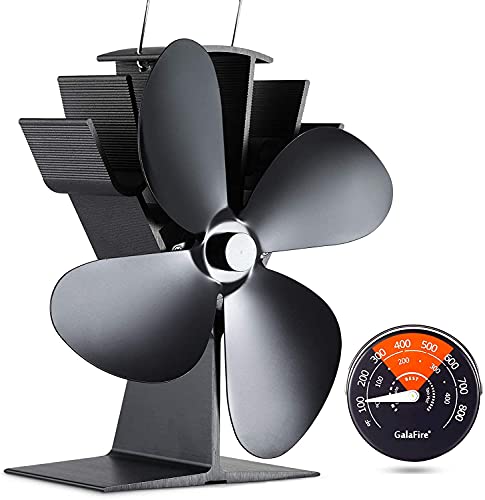
The GALAFIRE 4-blade design provides a compact, efficient option for narrow spaces yet still delivers solid airflow. It starts at temperatures as low as 50°C (122°F) and requires no batteries or external power. A magnetic thermometer helps monitor stove temperature to avoid overheating. The design fits a range of stove types—gas, pellet, log, and wood—making it a versatile choice for households with diverse heating setups. The unit’s small height—about 7.48 inches—helps it work under low clearance conditions while maintaining effective circulation at operating temperatures around 250°C.
Key considerations for this model include ensuring the stove reaches the recommended operating temperature for optimal performance and placing the fan so that airflow winds around the room rather than pointing directly at a wall. As with other heat-driven fans, reliability depends on proper mounting and regular cleaning. The GALAFIRE option suits shoppers seeking a compact, budget-friendly, and efficient heat-powered fan with straightforward operation.
Buying Guide: How To Choose The Best Wood Stove Fan
- Power source: All recommended models are heat-powered and do not require electricity or batteries, which is ideal during outages and for reducing energy costs.
- Airflow and blade design: Higher blade counts generally offer greater air movement. Consider room size when choosing between 4, 5, or 8 blades.
- Operating temperature: Look for devices with built-in safeties or temperature sensors to prevent overheating and protect the stove surface.
- Thermometer inclusion: A thermometer helps you track stove temperature and optimize fan start-up timing for consistent warmth.
- Durability: Aluminum blades and heat-resistant bases extend life in high-heat environments. Check for corrosion resistance and overall build quality.
- Noise: Most heat-powered fans run quietly; low decibel levels are preferable for bedrooms and living rooms.
- Size and fit: Measure the stove top and available clearance to ensure the fan fits without obstructing airflow or access to the stove.
- Warranty and support: A longer warranty and responsive customer service add value, especially for devices exposed to high heat.
- Multi-use vs. single-use: Some models offer oscillation or dual-motor configurations for broader heat distribution in larger rooms.
When evaluating options, balance airflow needs with stove temperature behavior in your home. For smaller spaces, a compact 4-blade design with reliable warmth distribution may suffice. For larger living areas, a dual-motor or oscillating model can provide more comprehensive coverage. Finally, consider whether adding a thermometer or fragrance diffuser aligns with your comfort and home environment goals.