Best Water Heaters by BTU for 50-Gallon or Higher Capacity Needs
Choosing the right water heater means balancing BTU capacity, energy efficiency, and installation space. This guide highlights top options with high BTU ratings and practical performance for American homes. From gas tankless models to traditional 50-gallon electric tanks, the selections prioritize reliable hot water on demand, energy savings, and compact design where space is tight. Each product below features on-demand performance, maintenance considerations, and installation notes to help you compare effectively.
| Product | BTU / Flow (GPM) | Type | Key Benefit |
|---|---|---|---|
| GASLAND Gasmart E 199000 BTU Tankless | 199,000 BTU | Tankless Gas | Unlimited hot water on demand |
| CAMPLUX CA686W 170,000 BTU Tankless | 170,000 BTU | Tankless Gas | Whole-house on-demand hot water |
| Ranein 80,000 BTU Gen II | 80,000 BTU | Tankless Gas | Stable temperature with multi-point use |
| NOVIEEX 100,000 BTU | 4.3 GPM @ 100,000 BTU | Tankless Gas | Precise temperature control |
| Rheem PROE50 50-Gallon Electric | 50 gallons | Electric Tank | Reliable household hot water supply |
Across these picks, you’ll find options that suit homes with varying hot-water demands, from households with multiple bathrooms to smaller spaces that require compact equipment. Each model is evaluated for performance, efficiency, noise, and ease of installation. Whether you’re upgrading from an aging electric tank or replacing an undersized gas system, the right BTU range helps ensure dependable comfort for showers, laundry, and kitchen use.
GASLAND Gasmart E 199000 BTU Tankless Water Heater
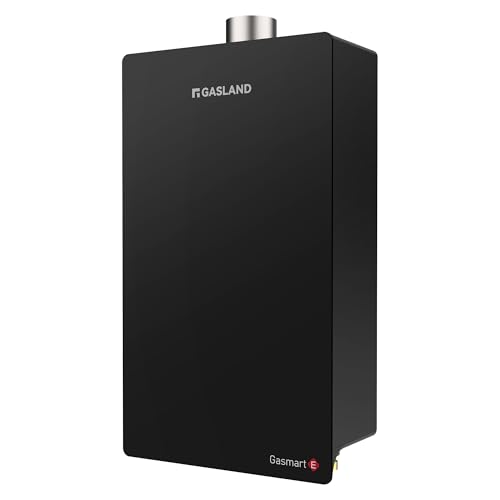
This tankless gas model delivers a high BTU input of 199,000 and up to 7.6 GPM, designed for whole-house use with indoor installation. Its on-demand operation means hot water is available instantly without storage, reducing energy waste associated with standby heat. The unit’s compact form saves valuable space compared to large 50-gallon tanks. With an industry-leading energy efficiency (UEF around 0.8), it reduces operational costs and NOx emissions by a notable margin versus traditional tank systems. Installation considerations include venting and gas supply requirements, plus electrical hookups for control electronics.
Key features include unlimited hot water on demand, strong energy efficiency, and space-saving design. The model is suitable for homes seeking continuous hot water for showers, laundry, and dishwashing without the cycles of a tank heater. Potential downsides to consider are upfront installation complexity and a need for proper venting and gas line sizing to achieve peak performance.
CAMPLUX CA686W 170,000 BTU Tankless Water Heater
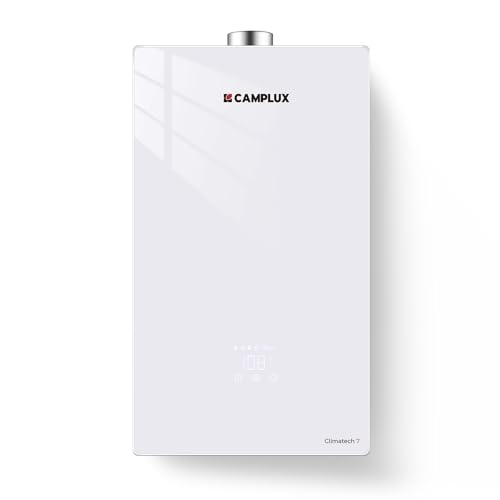
The CAMPLUX unit provides 170,000 BTU and 6.86 GPM, supporting simultaneous operation across multiple taps. It features built-in freeze protection down to -20°F and a copper heat exchanger that improves heat transfer. The model emphasizes rapid ignition and precise flame control for stable temperatures, reducing the risk of overheating and thermal shock. Noise levels are designed to stay lower than many traditional gas heaters, which helps maintain home comfort. Installation considerations include adequate ventilation and venting requirements for gas systems.
Pros include versatile multi-point performance, fast ignition, and robust heat exchange efficiency. A potential con is that, as with most tankless external vented products, proper venting and gas line sizing are essential to achieve advertised flow rates, especially in colder climates or older homes.
Ranein 2025 Gen II Tankless Gas Heater

Ranein’s Gen II model offers 80,000 BTU with 3.6 GPM capacity, designed for indoor on-demand hot water. It’s positioned for 2–3 taps—suitable for smaller households or apartments that still want reliable instant hot water. The unit emphasizes stable water temperature with minimal fluctuations, making it a practical choice for families needing a consistent shower experience. It also highlights efficiency advantages by reducing standby heat and lowering monthly utility costs compared with older tank heaters.
Considerations include ensuring the unit is sized appropriately for peak household demand and ensuring there is adequate venting and gas supply. For homes with higher simultaneous hot-water needs, a higher-flow model or multiple units may be more appropriate.
Ranein Propane Gas Tankless Water Heater

This model delivers up to 8.5 GPM with 190,000 BTU for strong hot-water performance. It emphasizes safety and efficient combustion with undercarriage blowers that help prevent smoke backflow and accommodate wind conditions. A quieter operation profile (low noise) is highlighted as part of user experience, along with compact dimensions that facilitate installation in tighter spaces. The product includes standard 3/4″ fittings for easier integration into existing plumbing and gas lines.
Pros include high flow capability and safety-oriented design. A consideration is the need for proper venting and gas line sizing to achieve maximum performance, especially in colder climates where demand can spike.
APUS Tankless Gas Water Heater, 95,000 BTU
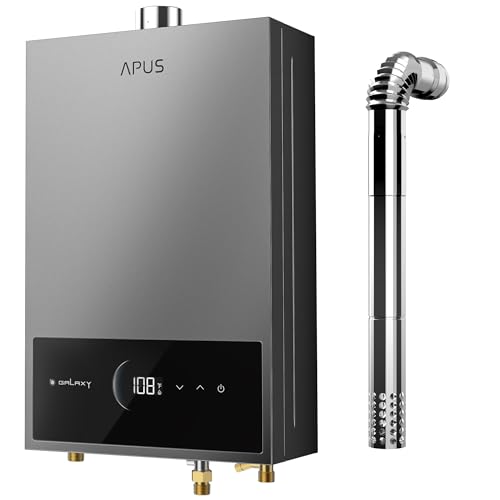
The APUS model offers 95,000 BTU with a 4.42 GPM capacity and Smart Digital Display. It emphasizes a precise temperature range from 95°F to 140°F with ±1°F stability, supported by high-precision sensors and adaptive flame control. Energy efficiency is highlighted, including 85%+ thermal efficiency with segmented combustion technology, which contributes to noticeable energy savings over traditional tank designs. The unit is suited for households needing reliable hot water with good stability and responsive performance during peak usage.
Notes include ensuring installation space for venting and electrical connections. The device is designed to meet simultaneous hot-water needs for multiple fixtures without significant temperature fluctuations.
NOVIEEX Tankless Water Heater With LED Display

With 100,000 BTU and a maximum 4.3 GPM, this device provides on-demand hot water for typical family bathroom and kitchen use. The LED display helps users monitor temperature settings easily, and the adjustable range (details typically around mid-to-high range) supports precise comfort control. The technology focuses on minimizing temperature fluctuations even when two or more fixtures run simultaneously, making it suitable for households that require consistent showers and warm water for dishwashing at the same time.
Considerations include ensuring the unit’s electrical and venting configurations are correctly installed and rated for the maximum BTU input. It’s important to verify compatibility with the home’s gas supply and venting venting requirements.
Buying Guide: Key Purchase Considerations And Comparisons
- Hot-water demand and GPM: Tankless models scale by GPM rather than storage capacity. If your home uses multiple fixtures at once, select a unit with higher GPM and BTU to avoid cold-water shocks.
- BTU rating and efficiency: Higher BTU enables faster heating and better performance in cold climates, but efficiency and venting requirements matter. Look for models with high UEF and proper NOx emission controls for environmental and cost benefits.
- Fuel type: Gas (natural or propane) tankless models deliver on-demand hot water with energy efficiency advantages but require proper venting and gas lines. Electric 50-gallon tanks provide reliable storage, simple installation, and consistent performance, especially where gas lines are limited or venting is challenging.
- Space and installation: Tankless units are compact and wall-mounted, saving floor space but needing skilled installation. Traditional 50-gallon electric tanks are bulkier but simpler to install in existing closets or utility rooms.
- Temperature control and stability: Look for precise digital controls, stable output, and anti-scaling features. For families with varying schedules, programmable controls improve comfort and reduce energy waste.
- Maintenance and service: Tankless units often require regular descaling in hard-water areas. Electric 50-gallon tanks may need anode rod replacement to prevent corrosion and extend life.
- Operating costs: Consider gas vs. electric operating costs in your region, local energy prices, and potential rebates or incentives for energy-efficient equipment.
- Installation considerations: Venting for gas units, proper clearance, and professional installation are essential. Electric tanks may require dedicated circuits and safe placement away from heat sources.
Choosing between tankless and storage heaters depends on your household size, hot-water patterns, and space. For larger homes with high multiple-use demands, high-BTU tankless models can deliver on-demand comfort with space savings, though installation costs may be higher. For homes prioritizing straightforward installation and a predictable supply, a high-capacity 50-gallon electric tank provides dependable performance with minimal setup. Each product listed above offers unique benefits to fit different priorities, from continuous hot water in busy mornings to precise temperature control for sensitive users.