Best Stand Mixer Options for Your Kitchen Workstation
Looking for a reliable mixer stand for your kitchen? This guide highlights five stand mixers that balance capacity, power, and practicality for everyday baking and cooking. It helps you choose by size, attachments, and user needs—from compact apartments to larger home bakeries. The list includes compact, mid-size, and larger models to fit different countertops and storage spaces.
| Product | Capacity | Why It Stands Out |
|---|---|---|
| Kitchen in the box Stand Mixer | 3.2 Qt | Small footprint; lightweight; six speeds; great for 1–2 person households or compact kitchens. |
| KitchenAid Artisan Series 5 Quart Tilt Head | 5 Qt | Durable metal build with many baked-goods capabilities; generous batch size. |
| Hamilton Beach Electric Stand Mixer | 4 Qt | Budget-friendly with 7 speeds and included attachments; solid all-around performer. |
| Martha Stewart 5.3Qt Stand Mixer | 5.3 Qt | Reliable capacity with multiple attachments and 12 speeds for precise control. |
| KitchenAid Classic Series 4.5 Quart Tilt-Head | 4.5 Qt | Classic KitchenAid reliability with versatile tilt-head access and solid performance. |
Kitchen in the box Stand Mixer
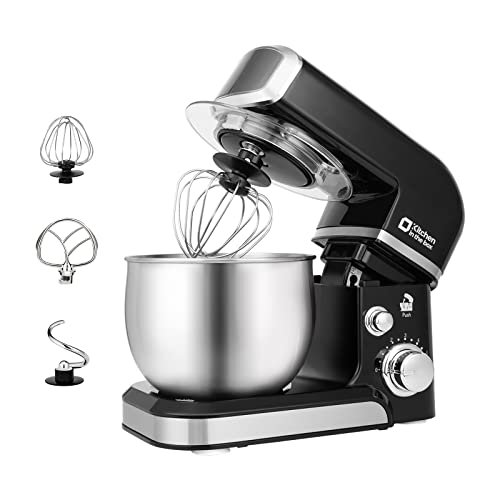
Best for small kitchens or apartments, this compact stand mixer weighs under 7 pounds with a 3.2-quart stainless steel bowl. It features a tilt-head design for easy bowl and accessory access, a transparent splash lid to minimize mess, and six speed settings suitable for mixing dough, batters, or delicate mixes. Best for: single or couple households, limited storage, and space-saving needs. Caution: smaller capacity means batches may be limited for large recipes.
KitchenAid Artisan Series 5 Quart Tilt Head Stand Mixer
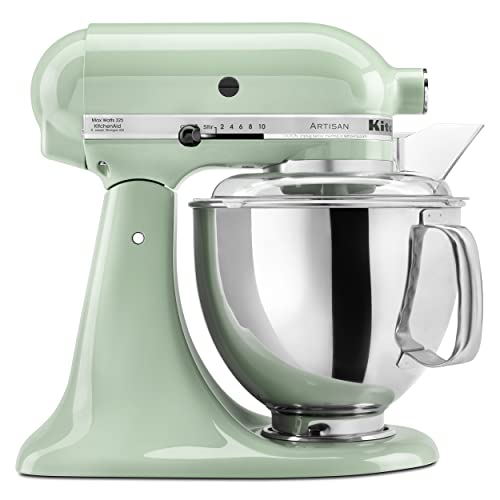
Best for larger batches and versatile baking, this 5-quart KitchenAid model features a durable metal construction and 59 touchpoints around the bowl for thorough mixing. The tilt-head design allows easy access to add ingredients, and the bowl is dishwasher safe. Best for: serious home bakers who regularly bake cookies, cakes, and bread in moderate to large batches. Limitation: higher price point and heavier footprint than compact models.
Hamilton Beach Electric Stand Mixer

Best for value-conscious buyers seeking a solid all-around mixer, this 4-quart model offers 7 speeds with a dough hook, flat beater, whisk, and a splash guard. It features a powerful motor and a bowl that rotates for even mixing. Best for: everyday bakers who want a reliable, affordable option with essential attachments. Caution: may feel less robust with very thick doughs compared to premium brands.
Martha Stewart 5.3Qt Stand Mixer (Linen Cream)

Best for large-batch baking and refined kitchen aesthetics, this 5.3-quart stand mixer comes with a stainless steel bowl and three versatile attachments (dough hook, whisk, and flat beater with silicone edge). It offers 12 optimized speeds for precise control, making it suitable for bread, cake, and whipping tasks. Best for: cooks seeking steady performance with added style. Limitation: higher price and larger footprint compared to compact options.
KitchenAid Classic Series 4.5 Quart Tilt-Head
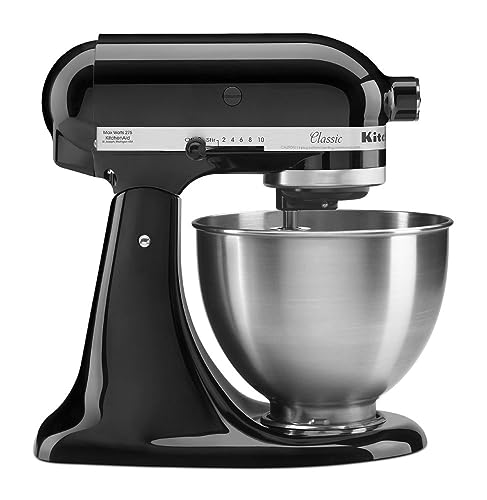
Best for traditional KitchenAid reliability, this 4.5-quart tilt-head mixer delivers a reliable balance of capacity and accessibility. The tilt-head design provides better access to the bowl, and the stainless steel bowl supports a broad range of batters and doughs. Best for: households needing a dependable all-purpose mixer with a compact footprint. Caution: smaller bowl size compared to the 5-quart family may require more batches for large recipes.
Buying Guide
What size should you choose?
Consider capacity needs against kitchen space. Compact models (2–3.5 Qt) fit small kitchens but handle smaller batches. Mid-size (4–5 Qt) work well for most families. Large-capacity units (6 Qt and up) are ideal for frequent bakers making large batches.
What about power and speed?
Look for at least 300–600 watts in home mixers for thick doughs and stiff batters. More speeds offer finer control for delicate tasks such as whipping egg whites or folding ingredients.
Tilting head vs bowl lift
Tilt-head mixers provide easy access to add ingredients and swap attachments. Bowl-lift models secure the bowl with a dedicated mechanism and can feel sturdier for heavy doughs. Choose based on how you prefer adding ingredients and stability during mixing.
Attachments and dishwasher safety
Common attachments include a flat beater, dough hook, and whisk. Check whether bowls and attachments are dishwasher safe, and ensure the included accessories align with your typical recipes (bread, cookies, cake, meringue).
Durability and maintenance
Metal constructions tend to be more durable than plastic bodies. Consider the longevity of the motor and the ease of cleaning. A splash guard helps minimize mess for sticky batters and doughs.
Budget considerations
Budget-friendly options cover essential features and basic attachments. Premium models offer higher capacity, more durable builds, and additional features. Balance price with capacity, power, and long-term use expectations.
Which one should you buy?
If space is your primary constraint, the Kitchen in the box Stand Mixer offers essential functionality in a compact form. For serious home bakers, the KitchenAid Artisan Series or the Martha Stewart 5.3Qt stand mixers provide larger bowls and more precise control. For value-conscious shoppers, the Hamilton Beach 4-Qt stands out as a solid baseline option. If you want a classic, reliable performer with broad accessory support, the KitchenAid Classic Tilt-Head remains a dependable pick.
FAQ
- What size mixer is best for a family of four? A 4–5 quart mixer is usually suitable for most families, handling cookies, cakes, and bread dough in reasonable batches.
- Is a tilt-head mixer better than a bowl-lift model? Tilt-head models offer easier access to the bowl and attachments, while bowl-lift designs can feel sturdier for heavy doughs. Your preference matters more than the label.
- Do attachments affect performance? Attachments like dough hooks and whisks are optimized for different tasks. Using the correct attachment for the recipe improves results and reduces strain on the motor.
- Can I wash mixer parts in a dishwasher? Many bowls and attachments are dishwasher safe, but check each product’s care instructions to avoid warping or damage.
- Are compact mixers suitable for bread dough? Compact models can handle light bread dough, but heavier kneads are better suited to larger capacity mixers with higher power.
- What should I avoid when buying a mixer? Avoid models with minimal bowl capacity for your typical recipes or those with limited attachment options if you rely on specific pastries or breads.