Best Old Fashioned Drip Coffee Makers for Classic Stove-Top Brews
If you’re seeking a traditional, no-electronics way to brew coffee, an old-fashioned drip or percolator stove-top coffee maker is a reliable choice. These classic brewers excel for fans of simple, robust coffee and for campers or households that want dependable performance without electricity. The following five products are well-suited for different tastes and settings, from stovetop percolators to classic stainless steel brewers. The list includes buyers who value durability, ease of use, and a genuine old-world coffee experience.
Summary of selected products:
| Product | Best For | Key Benefit |
|---|---|---|
| Lindy’s Stainless Steel 10 Cup Drip Coffee Maker | Traditionalists; stovetop users | Stainless steel durability with cool-touch handles |
| Primula Today Aluminum Stove Top Percolator Maker | Large gatherings; quick brews | 9-cup capacity; easy on stovetop |
| Farberware Classic Stainless Steel Yosemite Percolator | Everyday use; reliable build | Mirror finish stainless steel; clear knob |
| Elite Gourmet EC008 Classic Percolator | Indoor/outdoor versatility | Glass dose knob; 8 cups; durable steel |
| COLETTI Bozeman Percolator | Outdoor enthusiasts | No aluminum or plastic; rugged |
Lindy’s Stainless Steel 10 Cup Drip Coffee Maker

Best for traditionalists who want a non-electric, stove-top coffee experience. Lindy’s uses time-tested drip coffee technology with 18/10 surgical stainless steel and cool-touch handles for safe serving. This model is ideal for households that prefer a straightforward brew where heat control is manual, and it suits cooks who want a robust, durable coffee pot without electronics. A potential limitation is that it requires a compatible heat source and may need monitoring to prevent scorching.
Primula Today Aluminum Stove Top Percolator Maker

Best for groups and frequent gatherings, Primula’s 9-cup percolator is compact and easy to use on a stovetop. It delivers nine cups of rich, smooth coffee, making it a practical choice for entertaining at home or camping trips. Note that grind size and coffee amount affect pressure and extraction, so a slightly coarser grind or adjusted quantities may be needed to optimize flavor.
Farberware Classic Stainless Steel Yosemite Percolator Coffee Pot

Best for those who want a reliable, traditional stovetop percolator with a classic look. Farberware’s 8-cup model features durable stainless steel and a clear glass knob to indicate percolation. It’s straightforward to use and easy to clean, with a permanent filter basket to reduce waste. A consideration is that smaller households may find 8 cups to be more than needed for daily use.
Farberware Electric Coffee Percolator, FCP240
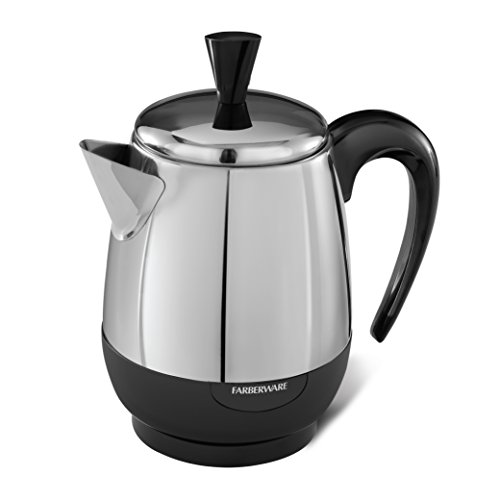
Best for kitchens that want a plug-in option while preserving a classic percolation method. This electric model uses a stainless steel basket and keeps coffee warm automatically. It includes a note about grind size and adjustment needs, and the 4-cup capacity makes it suitable for individuals or small households who still value the old-school brewing ritual. Limitations include dependence on electricity and a smaller cup yield.
Elite Gourmet EC008 Classic Stovetop Percolator
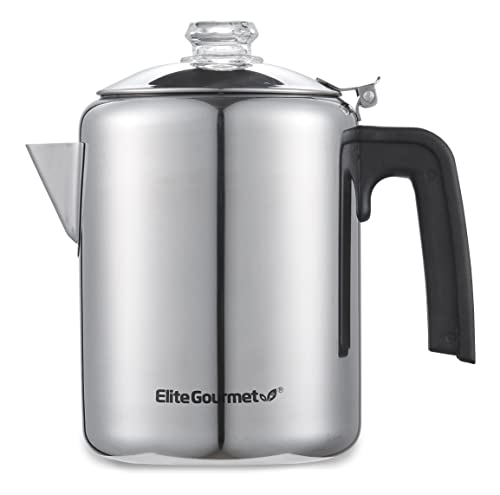
Best for indoor or outdoor use with a durable construction. Elite Gourmet’s EC008 features a glass progress knob and a stainless steel build. It’s designed for quick, efficient brewing—up to eight cups—on a stovetop or campfire. Choose this if you want a visible brewing cycle and a sturdy, all-purpose pot for home or travel. A potential limitation is that glass components may require careful handling in rugged outdoor environments.
COLETTI Bozeman Percolator Coffee Pot

Best for adventurers who want pure stainless steel with no plastic or aluminum. The COLETTI Bozeman percolator offers a glass top and a rugged design, built for outdoor use as well as home brewing. It’s quick to clean and includes extra filters for smoother brews. Use this if you prioritize a fully metal construct and easy trail cleanup, but be aware that some users may prefer a larger capacity for bigger gatherings.
Buying Guide
What size fits you best? Consider cup capacity (8–12 cups is common) and how many people you regularly serve. A larger pot suits households and gatherings; smaller units work well for individuals or couples.
Stovetop or electric? If you want a true old-fashioned feel, choose stovetop models. Electric percolators provide automatic keep-warm features but require electricity.
Material matters. Stainless steel pots are durable and easy to clean. Aluminum pots are lighter and often more economical but may react with certain brews or heat settings.
Ease of use and cleanup. Look for models with permanent filters or simple cleanup. Glass knobs that indicate brewing progress are helpful for timing extraction without overheating.
Durability and environment. For outdoor use, select rugged, all-metal designs with secure handles. Avoid plastics in contact with high heat for long-term flavor stability.
Frequently Asked Questions
- What is the main difference between a drip and a percolator on the stove? A drip brewer pours hot water over ground coffee through a filter, while a percolator cycles boiling water through grounds repeatedly for a stronger brew.
- Are stove-top percolators better for flavor than electric ones? Flavor preference varies; stovetop percolators often yield a bold, robust cup, but modern electric models can deliver consistent strength with convenience.
- Can I use any grind with these percolators? Grind size matters. Too fine a grind can clog pressurization in some models; too coarse may under-extract. Start with a medium grind for many stovetop percolators.
- Is aluminum safe for coffee brewing? Some users prefer stainless steel to avoid potential reactions with heat. Stainless options are generally more durable for long-term use.
- Which model is best for camping? Look for rugged construction, simple parts, and ease of cleaning. Models labeled for outdoor use and with glass viewing tops can be practical in campsites.
- Do any of these require special care after brewing? Most require basic cleaning with warm water and mild detergent. Avoid abrasive cleaners that can scratch metal surfaces.