Best Bone Grinder for Bone Meal and Related Grinding Needs
Direct answer: For bone meal preparation and related dry grinding tasks, select grinders designed for hard, dry materials, strong stainless steel construction, and safety features. The top picks below are best for gardening bone meal use, small-batch bone processing, and home kitchen or workshop tasks. This guide targets home gardeners, small-scale cooks, and hobbyists who need reliable, compact grinding solutions without specialized industrial gear.
Top products overview (summary):
| Product | Best For | Key Advantage | Limitations |
|---|---|---|---|
| Grain Mill 150g High Speed Grinder | Dry grains and seeds, small batches | High speed with multiple blades; small 150g capacity; fast grinding | Not designed for wet materials |
| Burpee Bone Meal Fertilizer | Gardening bone meal supplementation | Organic-certified, slow-release nutrients for roots | Not a grinder for bones in kitchen use |
| Jivoxia Electric Meat Grinder | Light bone grinding and small-scale meat tasks | Powerful 1200W peak with bone grinding mode | 3-in-1 with meat focus; not specialized for bone meal powder |
| Bone Morselizer Mill Crusher Titanium | Bone milling with titanium plates | Durable stainless steel titanium plates | Specialist tool; limited product detail in specs |
| Bone Morselizer Bone Mill Crusher with Titanium Plates | Dental-grade bone milling or bone graft prep | Titanium plates for durability | Specialized use; may exceed casual home needs |
Grain Mill 150g High Speed Grinder
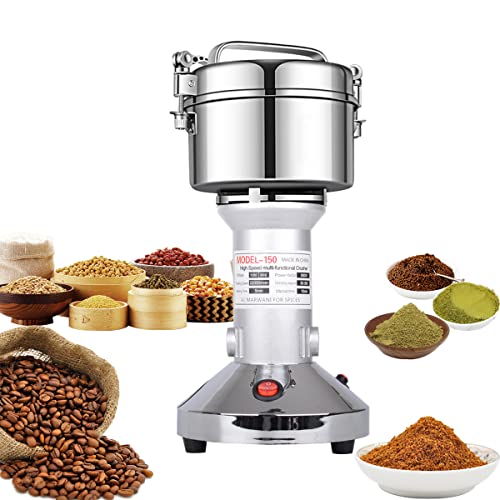
Best for compact dry grinding tasks in small batches. This grinder features a 900W motor with a 150g capacity and multiple blades (grinding, rotary, and powder removal) to produce powder in high efficiency. It excels at dry grains, spices, seeds, and dried herbs, making it suitable for kitchen or workshop use where quick turning of small quantities is desired. It is not designed for wet or oily materials, which can be a limitation for broader bone-related grinding needs.
Who it’s best for: home cooks, gardeners, and hobbyists who need fast, small-batch dry grinding with a focus on consistency and safety. This device is better for dry materials and not ideal for bone powder or marrow processing due to material compatibility and motor safeguards.
Selected for: Its compact size, stainless steel construction, and overheat protections make it a practical choice when you want a simple dry-grind option without larger equipment.
Burpee Bone Meal Fertilizer

This product is a bone meal fertilizer rather than a grinder. It provides a natural, slow-release source of nitrogen, phosphorus, and calcium to promote root development and healthy blooms in gardens. It’s OMRI-listed for organic gardening, making it suitable for organic beds, containers, and seed starting. It is best for gardeners seeking soil amendments rather than kitchen bone milling.
Who it’s best for: home gardeners and landscapers who want improved root systems and crop resilience. Use this to supplement soil during planting or pre-harvest stages. It’s not intended for producing bone meal powder for grinding purposes.
Selected for: Its organic certification and soil-building benefits, which complement bone meal usage in gardens.
Jivoxia Electric Meat Grinder

Best for light bone grinding within a home or small restaurant setting. This grinder offers a 1200W peak and 500W rated copper motor with a color touchscreen for mode selection, including a bone grinding option. It is designed for sausage, meatballs, and light bone grinding, making it versatile beyond raw meat prep. A potential limitation is that it is primarily marketed for meat processing, so continued use on bone material should follow manufacturer guidelines to prevent wear or clogs.
Who it’s best for: households or small kitchens needing an all-in-one grinder that can handle bones for light bone meal-like prep and sausage making. Choose this if you want a multi-task appliance with modern controls.
Selected for: Its robust motor and bone grinding mode provide a practical option for those who want both meat processing and limited bone grinding capabilities.
Bone Morselizer Mill Crusher Titanium

Best for dedicated bone grinding with durable titanium components. This grinder emphasizes titanium grinding plates for durability and is marketed as a bone-focused mill crusher, aligning with needs for processing bones into smaller morsels or meal-like consistency. The data highlights material quality, but product details are limited in the listing, so prospective buyers should verify fit for intended bone texture and batch size.
Who it’s best for: users who require a sturdy, metal-bone grinding solution for small batches and bone-related preparation. Choose this if long-term durability and titanium components are a priority.
Selected for: Its emphasis on titanium plates suggests higher durability and repeated use for bone milling tasks.
Bone Morselizer Bone Mill Crusher with Titanium Plates

Best for dental-grade or bone graft prep with durable titanium components. This bone mill crusher emphasizes high-quality titanium grinding plates suitable for precise bone processing tasks. As with similar titanium-focused tools, the listing points to durability and assembly efficiency but may require careful handling for delicate materials or clinical-like bone milling goals. It’s a more specialized option for users who need reliable bone material processing capability.
Who it’s best for: professionals or serious hobbyists who require consistent, durable bone milling for grafting or fine bone meal prep. Choose this if you need titanium-based durability and precise grinding results.
Buying Guide: Key Considerations For Bone Grinding And Bone Meal Preparation
- Purpose alignment: Distinguish between bone meal for gardening, bone milling for culinary use, and bone graft preparation. Pick tools designed for the intended material and batch size.
- Material compatibility: Look for stainless steel or titanium grinding surfaces for durability and hygiene. Avoid tools that are not rated for dry, hard materials when bone powder is desired.
- Capacity and speed: For small batches, a compact grinder with 150g capacity can suffice. For larger bone processing, a more powerful unit with a higher throughput is preferable.
- Safety features: Overload protection, automatic shutoff, and reset options reduce risk during grinding. Ensure the device is easy to clean and has stable operation.
- Maintenance and cleaning: Removable parts, dishwasher-safe components, and straightforward disassembly simplify routine cleaning after bone-related tasks.
- Versatility vs. specialization: Multi-purpose grinders offer convenience but may compromise on bone-specific texture control. If bone work is primary, a dedicated bone mill may be preferable.
- Moisture handling: Dry materials grind best; wet or oily materials can clog or damage certain grinders. Confirm material suitability before use.
- Longevity and warranty: Durable construction (stainless steel or titanium) supports long-term use for bone grinding tasks. Review maintenance requirements and any warranty terms.
FAQ — Quick Answers For Buyers
- Q: Can a meat grinder handle bone meal powder for gardening?
A: Some models offer bone grinding modes, but for gardening bone meal, dedicated bone meal products are typically used. Check material compatibility before attempting garden-grade bone meal powder. - Q: Is titanium plating necessary for bone grinding tools?
A: Titanium plates increase durability and wear resistance, beneficial for frequent or heavy bone grinding, but not strictly required for light, occasional use. - Q: What is the best option for small-batch bone grinding at home?
A: A compact grinder with a dry-material design and safety features, or a bone-focused mill, can provide reliable results in small batches. - Q: Should I choose a dedicated bone grinder over a general-purpose grinder?
A: If bone milling is a primary need, a dedicated bone grinder or mill offers better texture control and durability for bones compared to general-purpose grinders. - Q: Are any of these products suitable for wet grinding?
A: Most listed items are designed for dry materials. Wet grinding may cause clogs, overheating, or damage. - Q: What safety features matter most?
A: Overload protection, automatic shutdown, and a reset mechanism help prevent motor damage and personal injury during grinding.