Best Narrow Stove and Oven Solutions for Small Kitchens
When space is tight, a compact stove and oven can still deliver solid cooking power. This guide highlights five narrow-friendly options and a practical buying table to compare fit, capacity, and features. The top picks target small apartments, RVs, campers, and micro-kitchens while keeping essential cooking versatility. Each product is chosen for space efficiency, reliable burners or ovens, and accessible controls. Best for renters, travelers, or anyone needing a compact unit with real cooking capability.
| Product | Best For | Key Benefit |
|---|---|---|
| Avanti Electric Range Oven Compact 2.1 Cu. Ft. (20″) | Apartments, small homes | Cozy oven with four coil burners and broiler |
| AMZCHEF 17 Inch 3-Burner RV Gas Range | Campers, mobile living | High BTU power for quick heating |
| CAMPLUX Classic RV Stove Propane Range (21″) | RV kitchens, compact spaces | 2-in-1 stove and oven design |
| Avanti Gas Range Oven 20-Inch (White) | Small kitchens, vacation homes | Sealed burners with storage drawer |
| Linda’s Essentials Silicone Stove Gap Covers (2 Pack) | All stoves in tight gaps | Keeps crumbs out, easy cleaning |
Avanti Electric Range Oven Compact 2.1 Cu. Ft. 20-Inch

Type: Electric range. Capacity: 2.1 cu. ft. Oven with broiler. Burners: Four coil burners with 6-inch and 8-inch sizes. Design: Framed glass oven door; pull-out storage drawer for utensils or bakeware. Safety: Temperature sensors help manage heat. Best for: Apartment occupants and tiny homes needing reliable electric cooking without a full-size oven. Why selected: It provides compact oven space and familiar coil heating in a 20-inch footprint, suitable for tight kitchens where a larger range won’t fit. Limitation: Smaller interior oven volume can limit large roasts or giant trays.
AMZCHEF 17 Inch 3-Burner RV Gas Range

Type: Gas range for compact spaces. Burners: Three burners with up to 28,100 BTU total output. Oven: 1.24 cu ft capacity; enamel interior; heat-insulated door. Safety: Built-in flame failure protection; push-to-turn knobs reduce accidental ignition. Best for: RV dwellers, campers, and small apartments needing quick boil and bake capability. Why selected: High BTU burners allow fast cooking in limited space, and the oven provides a compact baking option. Limitation: The compact oven size may limit larger dishes or multi-piece meals.
CAMPLUX Classic RV Stove Propane Range (21″)

Type: Propane oven and stove combo. Burners: Three burners (8,000 BTU + 6,500 BTU x2) plus a 7,100 BTU oven. Interior: 1.8 cu ft oven. Design: Stainless steel, ambient oven lighting, backlit knobs. Best for: RV kitchens needing a 2-in-1 cooking solution in a compact footprint. Why selected: The 2-in-1 design maximizes function in tight spaces, suitable for road travel or tiny kitchens. Limitation: Weight and installation specifics may require proper ventilation and fuel supply setup.
Avanti Gas Range Oven 20-Inch (White)

Type: Gas range, compact freestanding design. Burners: Four sealed burners with electronic ignition. Oven: 2.1 cu ft capacity; broiler with 10,000 BTU pan; bottom storage drawer. Best for: Small kitchens needing a full gas-powered range with a storage drawer for extra space. Why selected: Combines reliable gas cooking with a practical storage drawer, making it ideal for apartments or vacation homes where space is premium. Limitation: Console and controls are compact; users may need to adapt to tighter spacing for larger cookware.
Linda’s Essentials Silicone Stove Gap Covers (2 Pack) 21 Inches
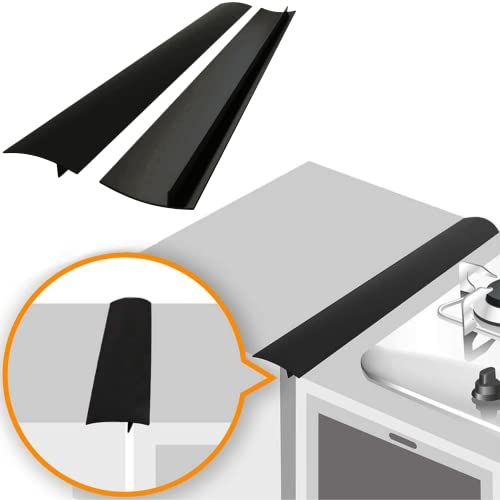
Product: Gap covers for stove-to-counter gaps. Material: Heat-resistant silicone. Fit: 21-inch length, compatible with gaps up to about 2.3 inches. Best for: Any narrow stove installation to prevent crumbs, spills, and debris from falling into gaps. Why selected: Simple, flexible add-on that improves cleanliness and safety in small kitchens. Limitation: Needs regular cleaning to prevent buildup and may require cutting for non-standard gaps.
Buying Guide: What to Consider When Choosing a Narrow Stove And Oven
- Space and dimensions: Measure width, depth, and clearance to ensure a true fit in 20–21 inch wide spaces. Look for products labeled for compact kitchens or RV use.
- Power source: Decide between electric coil versus gas. Electric models are common in apartments; gas ranges are common in RV and off-grid setups but require venting and gas supply.
- Cooking capacity: Consider oven size (cu ft) and rack configuration. Smaller ovens limit batch size; plan for typical meals you cook most often.
- Burner configuration: Four burners offer flexibility for multitasking; three or two may suffice in very tight kitchens but limit simultaneous cooking.
- Safety features: Flame failure protection, push-to-turn knobs, and temperature sensors help prevent accidents in homes with kids or pets.
- Ease of maintenance: Enamel interiors and removable burner grates simplify cleaning in tight spaces.
- Ventilation and installation: Some units require dedicated venting or clearance; ensure the chosen model fits your existing setup.
- Accessories and add-ons: Gap covers or extra broiler pans can improve usability in compact kitchens.
Frequently Asked Questions
- What is the best narrow stove for a small apartment?
– An electric 20-inch model with a compact oven provides straightforward setup and reliable cooking without gas lines. - Are gas stoves suitable for RV use?
– Yes, but require proper ventilation, propane supply, and sometimes a compact venting solution. Safety features are important. - Do compact ovens bake large roasts?
– Generally no; small interiors fit standard pans but large roasts may require smaller cuts or multiple batches. - What should I measure before buying a narrow stove?
– Measure width, depth, height, and the space for the oven door to swing; check clearance for ventilation and cabinet doors. - Are stove gap covers worth it for compact kitchens?
– Yes; they help prevent crumbs and spills from falling into gaps, making cleaning easier. - Can I mix a compact gas range with a separate oven?
– It is possible if space allows; ensure clearances, mounting, and ventilation meet safety standards.