Best Hat Sewing Machines for Patches and Custom Caps
Answering the needs of crafters, hobbyists, and small-batch makers, these hat sewing and patching tools are chosen to help you apply patches, engrave designs, or repair hats with reliability. The list covers manual and automated options, quick-heat presses, and specialized cap platens. Best for beginners: compact, affordable devices. Best for small businesses: auto hat presses with precise temp control and interchangeable platens. Best for on-the-go projects: mini heat presses that fit in a desk or workbench. The following selections focus on patch-friendly sewing and heat-apply workflows for hats, caps, and related accessories.
| Product | Best For | Why It’s Here | Notes |
|---|---|---|---|
| DODOQ Manual Leather Sewing Machine | Home crafters focused on leather patches | Versatile with nylon and cotton threads; adjustable needle distance up to 6mm; turns foot in any direction | Manual operation; good for leather and varied materials |
| VEVOR 4-in-1 Hat Press | Beginner to intermediate hat projects | Multiple plate sizes, large heating area, and digital controls | Great for hats, caps, and lightweight fabrics |
| HTVRONT Auto Hat Press Machine | Small business or DIY studio users | One-touch auto operation, high pressure, two platens | Best for consistency and faster transfers |
| Calogy Mini Heat Press | Compact spaces and simple projects | Single-button interface, three temperature levels, compact footprint | Simple, portable heat-press option |
| GCCSJ Leather Sewing Machine | Durable manual option for patches and repairs | Aluminum alloy body, 360° rotation, manual drive | Solid for circular patches and detailed work |
DODOQ Manual Leather Sewing Machine

This compact hand-operated sewing machine handles nylon and cotton threads, enabling patchwork on leather, fabric, and shoes. The machine can sew a variety of materials including cloth, leather, rubber, and bags, making it a versatile choice for patching hats or repairing distressed footwear. The needle spacing up to 6mm and the ability to rotate the foot provide flexibility for curved seams and tight areas. Best for hobbyists who want a portable, low-cost solution for leather-based patches and small repairs. A limitation is that manual operation requires steady hands and more time for larger projects.
VEVOR 4-in-1 Hat Press
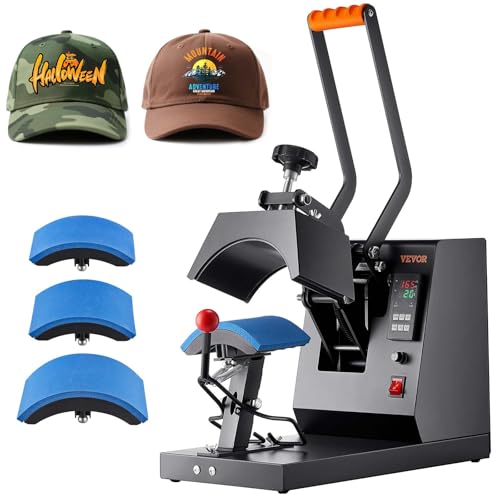
This hat press offers four interchangeable heating elements to handle different hat sizes and shapes, including baseball caps and berets. It features a large 8.5 x 4 inch cap platen, high-temperature aluminum with a non-stick Teflon coating, and a digital interface to monitor temperature and time. It’s best for crafters who want to apply patches or embroidery patches on hats with even, consistent pressure. Caution: the unit is larger and heavier than tabletop mini presses, so ensure sufficient workspace and stable placement.
HTVRONT Auto Hat Press Machine

This automatic hat press provides over 80 kg of pressure with dual platens and quick-swap capability. It is designed to transfer designs via DTF film, embroidery patches, rhinestones, and sublimation materials with minimal manual effort. Best for small businesses or studios seeking consistent, production-ready results. Nice for patches that require strong hold and uniform application. A potential limitation is the need for compatible heat transfer films or patches and setup time for dual-platen configuration.
Calogy Mini Heat Press

The Calogy mini heat press is a compact craft iron with a small 2.87 x 4.43 inch heat plate and three temperature levels. It is ideal for quick patches on hats and small patches on fabric, perfect for desk setups or travel. Choose this if you need portability and simple heat-press operations. Limitation: smaller plate size limits larger patches or large-cap transfers; best for small designs and detail work.
Nicime 19pcs Patch Set

This patch set includes 19 embroidered patches for hats, bags, and clothing. Patches can be applied with sewing or hot-fix heat, making them a versatile accessory to customize caps. Best for crafters who want varied decorative options. Not a sewing machine itself, but a practical companion for patch-based customization. Use caution with fabric compatibility and colorfastness of patches under heat.
Buying Guide: Hat Patch And Sewing Toolkit Essentials
What should you consider when choosing a hat patching and sewing setup?
- Material compatibility: Ensure the machine supports leather, fabric, vinyl, and canvas if you plan to patch hats with different materials.
- Project type: For patches, consider heat press capability for iron-on designs versus sewing for stitched patches.
- Portability vs. capacity: Manual machines and mini presses save space, while auto presses excel in consistency and speed for batch work.
- Temperature control: Precise heat management matters for delicate patches and heat-applied designs; look for adjustable temperature ranges and time settings.
- Safety features: Look for insulated bases, overheat protection, and stable bases to prevent accidents during operation.
- Interchangeable components: Hats come in many sizes; consider devices with multiple platens or adjustable features for proper fit.
Frequently Asked Questions
- Q: Do I need a heat press to apply patches on hats? A: It depends on the patch type. Iron-on patches work with a household iron or mini heat press, while embroidered patches often require sewing or a dedicated patcher.
- Q: Is a manual sewing machine sufficient for hat patches? A: For simple or small patches, a manual sewing machine can be adequate, especially for leather or heavy fabrics. Larger, complex patches may benefit from automation.
- Q: Can I use nylon or cotton thread with these machines? A: Yes, several machines in this selection are compatible with nylon and cotton threads, enabling diverse patch materials.
- Q: Are auto hat presses suitable for beginners? A: Auto hat presses offer consistent results and can be beginner-friendly, but require some setup and safety awareness.
- Q: What should I avoid when patching hats? A: Avoid applying heat to fabrics sensitive to high temperatures and avoid placing patches over seams that could hinder closure or wear.
- Q: How many patches can I apply in a session? A: This depends on the device, heat settings, and patch size. Auto presses and larger platens are designed for higher throughput.