Best Rice Cooker Measuring Cups for Perfectly Fluffed Rice
Whether you’re a daily rice cooker user or occasional batch-prepper, the right measuring cup ensures consistent water-to-rice ratios. This guide highlights five reliable options that pair well with most electric rice cookers, including models from Zojirushi, Aroma, Hamilton Beach, and more. Each product is evaluated for who benefits most, plus a practical caution to help you choose confidently.
Summary Table of Selected Products
| Product | Best For | Notes |
|---|---|---|
| Daiso Stainless Steel 180cc | Users needing a durable all-brand replacement | Stainless steel, 180 mL, straightforward markings |
| salbsever 160 mL Plastic Cups (2-pack) | Budget-friendly, versatile measuring | Clear scale, metric/imperial, durable |
| Qulkws 5-pack (160 mL) Plastic Cups | Multi-piece kit for busy kitchens | Includes 2 rice scoops, clear graduations |
| Univen 180 mL PP Cups (2-pack) | Japanese standard measurement users | Includes overflow-level fill guidance |
| Bright Kitchen 2-pack (160 mL) | Replacement set with dishwasher-friendly cups | Clear plastic, imperial/metric marks |
| DEFLECTAIR Stainless Cup + Bamboo Paddle | Official-looking combo with scoop | Food-grade steel, dishwasher safe |
Daiso Japanese Rice Measuring Cup (180cc)

The Daiso 180cc stainless steel rice cup provides a reliable, universal replacement for most electric rice cookers. Best for users who want a durable metal cup with clear interior markings and a standard 180 mL (1 Gou) capacity. This cup is easy to clean and resists corrosion, making it suitable for frequent use. A potential limitation is that stainless steel cups may appear heavier than plastic options, which could affect grip when handling hot rice.
salbsever 160 mL Plastic Rice Measuring Cup (2-pack)
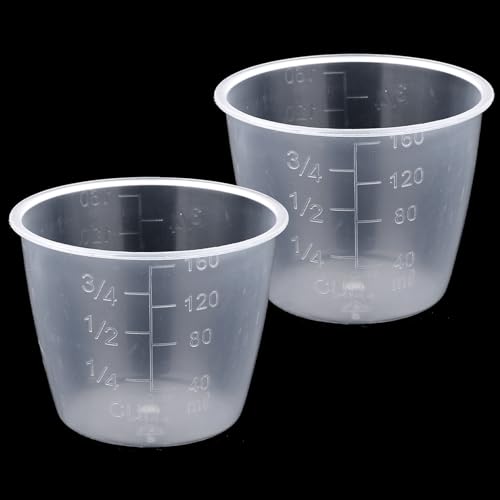
Best for budget-minded buyers who want a versatile, transparent plastic cup with both imperial and metric graduations. The clear scale helps ensure precise readings for rice and other ingredients, and the two-pack provides extra backups for busy kitchens. A limitation is that plastic cups can stain or wear over time with frequent use and may not feel as heavy-duty as metal options.
Qulkws 5 Pack Plastic Rice Measuring Cups (160 mL)

This multiset is ideal for households that prepare multiple batches or need replacements without constant swapping. It includes 5 cups with clear graduations (40/80/120/160 mL marks) and 2 rice scoops, making it a practical all-in-one solution. Better for: households that value a complete kit. Caution: ensure compatibility with your cooker’s marking system if you rely on exact cup-to-water ratios.
Univen 180 mL PP Rice Measuring Cup (2-pack)

Best for fans of the Japanese standard measurement, this PP cup (180 mL) provides quarter-cup markings and includes a value pack of two cups. It is designed to align with water measuring lines in cooking pans for consistent results. Limitation: PP cups may warp if exposed to high heat repeatedly, though they are generally durable for kitchen use.
Bright Kitchen 2 Pack Plastic Rice Measuring Cups (160 mL)

Choose this for a cost-effective bundle that includes 2 cups and 2 rice paddles. It supports both standard and metric measurements, with clear visibility of measurement levels. Best for: quick replacements or hobby cooks who want a simple, dishwasher-safe option. Better for minimal kitchen clutter but may be less robust than stainless steel in demanding use.
DEFLECTAIR Stainless Steel Cup + Bamboo Paddle
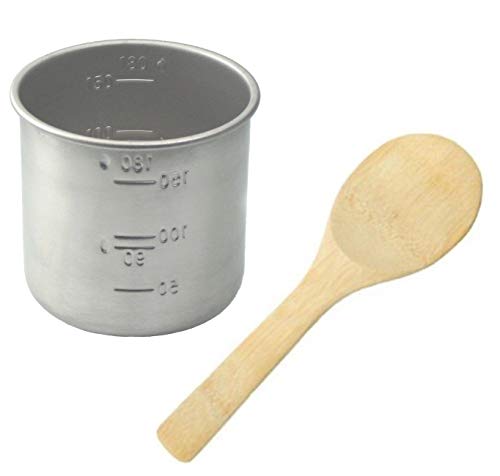
This stainless steel cup comes with a bamboo scoop/paddle, creating a practical combo for scooping cooked rice without scratching non-stick surfaces. Best for users who want a durable, all-in-one solution that includes a dedicated scoop. Limitation: the paddle adds one more piece to manage, and the set is slightly larger to store than single cups.
Buying Guide
What material should I choose?
Stainless steel is durable and dishwasher-safe, suitable for frequent use. Plastic cups are light, inexpensive, and versatile, but can wear over time and may stain. PP plastic offers heat resistance and flexible pricing, though it may warp with high heat.
What capacity is right for my rice cooker?
Most cookers use 180 mL (1 Gou) per cup. If you own a model that uses slightly different volumes, choose a cup with compatible graduations. Some sets provide multiple sizes to cover various cookers.
Should I buy a multi-pack or a single cup?
Multi-packs are convenient for households with multiple cooks or frequent replacements. Single cups are fine if you only need a spare for your primary unit. Look for sets that include a secondary scoop for added convenience.
Are there safety and cleaning considerations?
Dishwasher-safe cups save time, but always follow your cooker’s manual regarding cleaning. Avoid abrasive cleaners on metal cups to prevent scratches on non-stick surfaces. If you have a delicate non-stick cooker, consider a non-metal alternative.
What signs indicate I should replace my measuring cup?
Replace if the markings wear away, the cup becomes warped, or the material shows cracks. A faded measurement scale can lead to inaccurate water-to-rice ratios, affecting rice texture.
What about compatibility and accuracy?
Most cups use standard 180 mL or close equivalents. If your cooker uses a different standard, verify the exact measurement with your user manual or the manufacturer’s guidelines before relying on a third-party cup.
FAQ
- Can I use any cup to measure rice for all cookers? It’s best to match the cup’s volume to your cooker’s standard. Many models use 180 mL, but some may differ.
- Are metal cups better than plastic? Metal cups are more durable; plastic cups are lighter and often cheaper. Your choice may depend on storage and cleaning preferences.
- Do these cups affect rice texture? Yes, accurate cup volume supports correct water ratios, contributing to consistent texture.
- Is a set with a scoop more useful? A bundled scoop saves time and helps with portioning cooked rice without scratching surfaces.
- Can I mix cups from different brands? You can, but ensure the volumes map to your cooker’s water level guidance to avoid mis-measuring.