Best Speed Reducer for Sewing Machines: Top Picks for More Torque and Precise Slow-Down
Looking for a speed reducer to gain torque and finer control on a sewing machine? This guide highlights five practical options that help gear down sewing speed, increase torque, and improve stitch control. Suitable for heavy-duty leather, upholstery, or intricate stitching, these choices balance installation, compatibility, and performance. The list targets buyers seeking mechanical speed reduction rather than electronic speed control, with notes on installation and best use cases for each product.
| Product | Best For | Key Benefit |
|---|---|---|
| Cutex Speed Reducer (2″ and 6″ Pulley) for Industrial Sewing Machines | Industrial users needing belt-driven slowdown | Two pulley sizes; adds torque; reduces speed to about one third |
| Speed Reducer (2″ and 6″ Pulley) for Industrial Sewing Machines | Heavy fabrics and upholstery | Table-mounted installation; more torque and control |
| Generic Speed Reducer belt wheel 2″ and 6″ Pulley | Budget-friendly setups | Standard 2″/6″ pulleys; simple torque boost |
| YEQIN Industrial Sewing Machine Clutch Motor Pulley Slow Speed Down Universal Fit (45mm) | Universal clutch motor slow-down | Compact universal fitting; improved slow-speed control |
| YEQIN Industrial Sewing Machine Clutch Motor Pulley Slow Speed Down Universal Fit (85mm) | Medium to large machines | Broad compatibility; better torque at low speeds |
Cutex Speed Reducer (2″ and 6″ Pulley) for Industrial Sewing Machines

Best for: Industrial operators who need a straightforward, dual-pulley speed reducer to gain torque and reduce sewing speed. The kit provides both 2″ and 6″ pulleys to tailor gearing to the machine’s handwheel and motor pulley configuration. This product’s design centers on adding torque while lowering effective stitch speed, helping with precise control on thick materials.
Why it was selected: It explicitly states the two-pulley offering and the gear-down capability to about one third of the machine’s rated speed, making it a practical choice for reducing risk of skipped stitches and improving thread control on dense materials.
Limitations to note: Installation specifics depend on your machine’s current belt path and table clearance; verify fitment with your setup before purchase.
Speed Reducer (2″ and 6″ Pulley) for Industrial Sewing Machines

Best for: Users who want a robust, table-mounted solution that fits between the handwheel and motor pulley to gain torque and steadier low-speed operation. Particularly relevant for heavy-duty leather or upholstery projects where stitch control is critical.
Why selected: Features highlight the 2″ and 6″ pulley setup and a clear goal of adding torque and reducing speed to about one third. The product notes emphasize installation under the machine table and belts compatibility for a custom fit.
Limitations: The listing mentions the need for belt adjustments and potential belt-slot resizing, so plan for a tailored installation in your shop space.
Generic Speed Reducer belt wheel 2″ and 6″ Pulley For Industrial Sewing Machine DS78
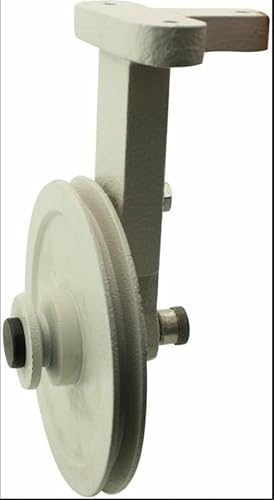
Best for: Budget-conscious shops that still need a reliable two-pulley speed-reduction setup to increase torque and improve stitch control on demanding fabrics.
Why selected: The listing centers on a standard speed reducer design compatible with industrial sewing machines, offering a straightforward way to gear down and gain traction on tough materials.
Limitations: The product data is basic; verify belt compatibility and precise pulley alignment for your exact machine model.
YEQIN Industrial Sewing Machine Clutch Motor Pulley Slow Speed Down Universal Fit (45mm)

Best for: Users seeking a compact, universal clutch motor pulley to slow down speeds without large hardware changes. Suitable for mid-sized machines and those needing easier access for adjustments.
Why selected: The 45mm universal fitting provides flexibility across various clutch motor configurations, enabling smoother slow-speed control without extensive modification.
Limitations: Small fitment range; confirm your motor’s shaft diameter and mount style before purchasing.
YEQIN Industrial Sewing Machine Clutch Motor Pulley Slow Speed Down Universal Fit (85mm)

Best for: Larger machines or setups requiring a broader pulley size to achieve slower speeds with higher torque control. Good for heavy materials and multi-layer stitching.
Why selected: The 85mm variant offers broader compatibility and the potential for greater slow-speed torque, which helps when precision and material thickness demand more drive resistance.
Limitations: Larger pulley may require more space and belt-slot considerations; verify table clearance and belt alignment during install.
Buying Guide: Speed Reducers for Sewing Machines
- What is a speed reducer and how does it help sewing machines? A speed reducer lowers the machine’s operating speed and increases torque by changing the belt/pulley ratio, improving control for heavy fabrics or detailed stitching.
- Pulley sizes: Why choose 2″ and 6″? This combination typically balances motor output and handwheel speed, offering a practical range for most industrial setups.
- Installation considerations: Will you mount under the table or between the motor and handwheel? Ensure belt compatibility, table clearance, and alignment to prevent belt wear or misfeeds.
- Material and project fit: Leather, denim, canvas, and upholstery often benefit from slower speeds and higher torque. Consider whether you need quick changeovers for different fabrics.
- Universal vs. model-specific: Universal clutch motor pulleys offer broad compatibility but verify shaft diameter and mounting style to avoid misfit.
Frequently Asked Questions
- What is the primary benefit of a speed reducer for sewing machines? It increases torque and reduces sewing speed for better control, especially on thick materials.
- Do I need tools to install these pulleys? Some designs are tool-free, while others may require basic hand tools for belt adjustments and mounting.
- Can I use a speed reducer on any sewing machine? Compatibility depends on pulley size, shaft diameter, and motor/handwheel arrangement; check fitment before buying.
- Are two pulleys always necessary? A dual-pulley setup (2″ and 6″) provides versatile gearing for a range of applications and is common in industrial upgrades.
- Will a speed reducer affect stitch quality? If correctly installed and properly aligned, it improves control and stability, especially on heavy fabrics.
- What should I consider besides pulleys? Belt type, table clearance, motor capacity, and ease of installation all influence performance and reliability.