Best Low Maintenance Espresso Machines for Home Baristas
If you want café-quality espresso without complicated upkeep, these low maintenance machines are designed for simple setup, quick heat up, and easy milk frothing. They suit different buyers: beginners seeking a straightforward one-step workflow, space-conscious users needing compact footprints, and enthusiasts who want consistent microfoam with minimal effort. Below is a quick, buyer-friendly snapshot of five strong options and what sets them apart.
| Product | Brand | Best For | Why Selected |
|---|---|---|---|
| Breville Bambino Espresso Machine BES450BSS | Breville | Spotless routine, small kitchens | Fast heat up and automatic milk texturing |
| Breville Barista Express Espresso Machine BES870XL | Breville | Beans-to-espresso control | Integrated grinder and precise pressure management |
| CHULUX Slim Espresso Machine | CHULUX | Low profile, beginner-friendly | 20 bar pump, simple operation, compact footprint |
| De’Longhi Classic Signature Espresso Machine | De’Longhi | Classic steam frother users | 15-bar pump, Thermoblock for fast temperature stability |
| CASABREWS CM5418 Espresso Machine | CASABREWS | Compact, versatile frothing | 20 Bar pressure, built-in milk frother, removable tank |
Note: The table highlights why each model can be a practical, low-maintenance choice for different home setups. All options focus on reliable extraction, straightforward frothing, and simple everyday use.
Breville Bambino Espresso Machine BES450BSS
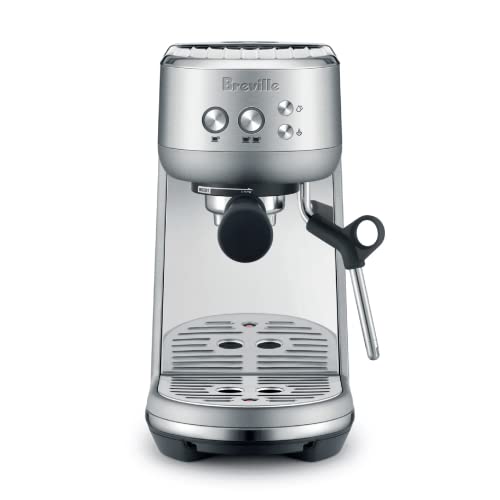
The Bambino is best for users who want fast readiness and automatic microfoam. It uses a 54mm portafilter and 19 grams for focused flavor, plus an automatic steam wand for milk texturing. Best for: small kitchens, single-occupant households, or anyone who prioritizes quick drinks with minimal frothing setup. Limitation: advanced manual control enthusiasts may miss adjustable shot volume options.
Breville Barista Express Espresso Machine BES870XL

This model blends a built-in grinder with a 4 keys formula approach for a hands-on yet controlled experience. It’s best for buyers who want beans-to-espresso automation and precise dose control. Best for: coffee purists who enjoy customizing grind size and dosage. Caution: requires more routine cleaning of the grinder and group head to maintain performance.
CHULUX Slim Espresso Machine

CHULUX emphasizes a compact footprint with a 20 bar Italian pump and quick preheat. It’s best for: newcomers who want a simple, no-fuss setup and for small kitchens where space matters. Caution: fewer advanced customization options may limit experimentation with milk texture and crema levels.
De’Longhi Classic Signature Espresso Machine

De’Longhi’s Classic Signature emphasizes a balance of temperature stability and a reliable frother. It uses Thermoblock technology to reach stable temperatures quickly and an adjustable steam wand. Best for: homes that value a traditional steam-based frothing experience with consistent results. Consideration: a user may want more automated controls for busy mornings.
CASABREWS CM5418 Espresso Machine

Casabrews CM5418 provides a balanced, compact option with a 20-bar pump and a built-in frother. It’s best for: budget-conscious buyers who still want café-style texture. Limitation: compact water tank may require more frequent refills for multiple drinks in a row.
Buying Guide
What makes a low maintenance espresso machine truly easy to own?
Look for fast heat up, straightforward controls, and reliable milk frothing. Machines with integrated grinders add convenience but require periodic cleaning to prevent stale burrs. Consider the size of your kitchen, the frequency of use, and how much manual intervention you want in daily routines.
Key purchase considerations
- Heat Up Speed: Thermoblock or similar fast-heating systems reduce wait time between drinks.
- Milk Frothing: Auto texturing minimizes effort; manual frothers offer more control but require more skill.
- Grinder Integration: Built-in grinders save space but demand regular cleaning to maintain flavor.
- Pressure and Temperature Stability: 15–20 bar pumps and stable Thermoblock systems support consistent extraction.
- Footprint: Consider width, depth, and overall height to fit your counter space.
- Maintenance Needs: Descale frequency, cleaning cycles, and removable parts influence daily upkeep.
Which machine type fits which buyer?
- Best for beginners: Simple controls, reliable steam, and quick heating (CHULUX or De’Longhi signature lines).
- Best for small kitchens: Compact designs with efficient use of space (Bambino, CHULUX, Casabrews CM5418).
- Best for bean-to-cup control: Integrated grinder and dose control for customization (Breville Barista Express).
- Best for auto-milk texture: Automatic steam wands that deliver consistent microfoam (Bambino).
Maintenance tips to extend life
- Regularly purge the group head and steam wand after use to prevent milk buildup.
- Descale per manufacturer guidelines, especially in areas with hard water.
- Clean removable parts, including the portafilter, baskets, and water tank, on a routine schedule.
FAQ
- Q: Do I need a built-in grinder to have good espresso at home? A: Not always. A separate grinder can offer precise control, but machines with integrated grinders provide convenience for quick beverages.
- Q: What is the ideal water tank size for a home machine? A: Larger tanks reduce frequent refills, but smaller units save counter space; choose based on your daily drink count.
- Q: Is a 15-bar pump enough for latte drinks? A: Yes, most home machines with 15–20 bar pumps produce good crema; higher pressure alone doesn’t guarantee better flavor.
- Q: Are auto-frothers better for beginners? A: Auto-frothers provide consistent microfoam and are easier for beginners, while manual frothers allow more artistic control.
- Q: How often should I clean the machine? A: Daily rinse after use; weekly backflush and periodical descaling per manufacturer directions.
- Q: Can I use different beans with a built-in grinder? A: Yes; adjust grind size and dose to suit the bean roast for best flavor.