Best Easy to Use Sewing Machines for Beginners and Quick Repairs
Answering the search intent for buyers seeking user-friendly sewing machines. This guide highlights five models that balance simplicity with reliable performance. It’s ideal for beginners, students, crafters, and anyone needing quick repairs. Each option is evaluated for ease of use, setup, and practical suitability.
Summary table of chosen products:
| Product | Best For | Key Benefit |
|---|---|---|
| Brother CS5055 Computerized Sewing Machine | Beginners who want modern features | 60 stitches and easy needle threader |
| Brother XM2701 | Lightweight, portable learning | 27 stitches, automatic needle threader |
| Verdanika Portable Tabletop | Compact space saver | 12 stitches, two-speed control |
| SINGER MX60 | On-the-go projects | 6 built-in stitches, portable with kit |
| Powerhelper Mini Sewing Machine | Kids and travel use | Compact, dual-speed, beginner friendly |
Brother CS5055 Computerized Sewing Machine

Best for: Beginners who want a feature-rich yet approachable machine. The CS5055 offers 60 built-in stitches, including utility, decorative and heirloom options, plus 7 one-step auto-size buttonholes. The LCD display helps with stitch selection and settings, reducing guesswork. Its automatic needle threader and jam-resistant drop-in bobbin simplify setup and ongoing use. This model suits sewists tackling a range of projects from hems to light quilting.
Why chosen: The combination of a wide stitch range and user-friendly controls makes it a strong all-around starter machine. The included accessories, such as seven feet and extra bobbins, support quick setup for common tasks. A potential limitation is the learning curve for features that exceed basic sewing needs.
Caution: May feel advanced for absolute beginners who only need a simple straight stitch at first; consider a basic model to learn fundamentals before using the more complex stitches.
Brother XM2701

Best for: Those seeking a lightweight, portable unit for beginners and occasional projects. The XM2701 includes 27 built-in stitches, an auto-size buttonhole, and a reliable automatic needle threader with a jam-resistant top bobbin. Six included feet and a compact design support easy transport and quick setup for small repairs or craft projects.
Why chosen: It blends portability with practical stitching options, making it ideal for classrooms or quick alterations. Limitation: While portable, it has fewer stitch options than computerized models, which may matter for more advanced sewing tasks.
Caution: Pushes a little less power for heavy fabrics; best for cotton blends, lightweight denim, and similar materials.
Verdanika Portable Tabletop Mini Sewing Machine
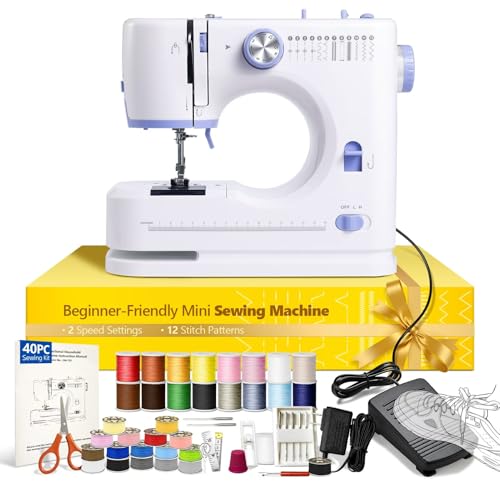
Best for: Small spaces and beginners who need a compact sewing setup. The Verdanika machine offers 12 stitch options and two-speed control, with a simple dial to select stitches. Its stable metal frame helps keep fabric feeding consistent during everyday fabric sewing such as cotton or polyester blends.
Why chosen: The compact size and stable build provide dependable operation in a limited area, making it a strong starter choice for dorm rooms or craft corners. Limitation: Smaller stitch repertoire may limit more complex projects.
Caution: The built-in features are basic; expect slower performance on heavy fabrics like denim.
SINGER MX60 Lightweight & Portable
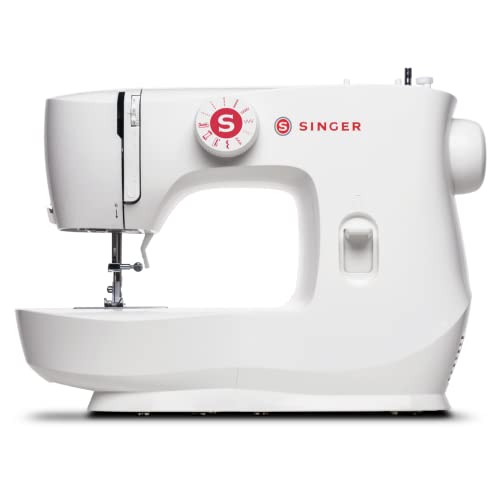
Best for: Beginners who want a portable machine with essential versatility. The MX60 emphasizes ease of use with six built-in stitches, a 4-step buttonhole, and a LED light for visibility. It comes with an accessory kit and a practical feature set for simple garment repairs and craft projects.
Why chosen: Its emphasis on portability and minimal setup makes it a convenient choice for quick projects or travel. Limitation: Limited stitch variety compared to broader-featured machines.
Caution: Not ideal for large quilting projects or heavy-duty fabrics; best suited for light to medium fabrics and basic stitching tasks.
Powerhelper Mini Sewing Machine

Best for: Kids, beginners, and travelers who need a tiny, easy-to-carry option. The Powerhelper model features dual-speed controls and an eco-friendly material build, designed to be safe and straightforward for first-time sewers and light repairs.
Why chosen: The compact form and safety features make it a practical introductory tool. Limitation: Small work surface and limited power may restrict larger or heavy-duty sewing tasks.
Caution: Not suitable for professional-length projects or thick fabrics; use for small, simple tasks and learning basics.
Buying Guide
- Intended use: Choose a machine that matches your usual tasks—simple repairs, hems, crafts, or light sewing—rather than chasing every feature.
- Weight and portability: If you need to move the machine often or sew in tight spaces, prioritize compact, lightweight models with a carrying handle or case.
- Stitches and stitches control: For beginners, prioritize machines with a clear stitch selector, automatic needle threader, and jam-resistant bobbin systems.
- Maintenance and accessories: Look for machines that come with essential feet and a user-friendly manual. Easy-load bobbins and simple cleaning routines help long-term use.
- Safety and beginner focus: Features like finger guards and slow-start options reduce risk when learning and teaching others.
- Expansion potential: If you anticipate growing beyond basics, consider a model with more stitches or adjustable speed without overwhelming settings.
FAQ
- What is the easiest sewing machine for a beginner?
– Machines with automatic needle threaders, drop-in bobbins, and clear stitch selectors are typically the easiest for beginners to master. - Should I buy a compact or full-size sewing machine for a beginner?
– A compact or portable model is often best for first projects, small spaces, and learning fundamentals before upgrading. - Is a programmable LCD display necessary for beginners?
– An LCD display helps with stitch selection and settings, but a simple machine with clear controls can be sufficient for most beginners. - What fabrics can I sew with a beginner machine?
– Start with light to medium fabrics like cotton, polyester, and blends. Heavy fabrics may require a more powerful motor and thicker needles. - Do beginner machines include essential accessories?
– Many starter machines include a few feet, bobbins, needles, and a manual—check the product listing for bundled accessories. - Can I upgrade later, or should I buy new?
– Most beginners can start with a basic, budget-friendly model and upgrade as skills grow and project requirements change.