Best Wall Ovens With Microwave Convection for Modern Kitchens
Looking for a wall oven with built-in microwave convection that saves space and speeds up weeknight meals? This guide highlights five top options, detailing who they’re best for and why they stand out. Ideal buyers include busy families needing quick multi-function cooking, homeowners upgrading a kitchen, and cooks seeking precise, sensor-based control without switching appliances. Below is a quick comparison before the in-depth sections.
| Product | Best For | Main Benefit |
|---|---|---|
| AAOBOSI 24″ Built-in Microwave Oven | Small kitchens, single-user households | Compact 1.6 cu ft, 10 cooking modes |
| ThermoMate 24″ Built-in Combo | New renovations, mid-size kitchens | Dual convection and microwave modes |
| KoolMore Reserve 24″ 3-in-1 | Luxury kitchens, performance seekers | 3-in-1 with air fry and strong convection |
| AAOBOSI 30″ Built-in Microwave & Convection | Larger spaces, frequent entertainers | More capacity, same 1.6 cu ft core |
| GE Profile PT7800SHSS | High-end cabinetry, serious cooks | Full-feature dual convection and microwave |
AAOBOSI 24 Inch Built-In Microwave Oven

- Capacity: 1.6 cu ft with 10 microwave power levels for precise cooking from 10% to 100%
- Functions: AUTO DEFROST, SOFTEN/MELT, SENSOR COOK, SENSOR REHEAT, AIR FRY, POPCORN, PIZZA, BEVERAGE HEAT, BROIL, CONVECTION
- Smart features: Glass-touch control with 6 preset auto-cooking programs
- Best for: Small to mid-sized kitchens needing an all-in-one micro + air fryer
- Caution: Exterior dimensions require adequate cabinet clearance and space for the downward-opening door
ThermoMate 24 Inch Built-in Microwave and Convection Oven
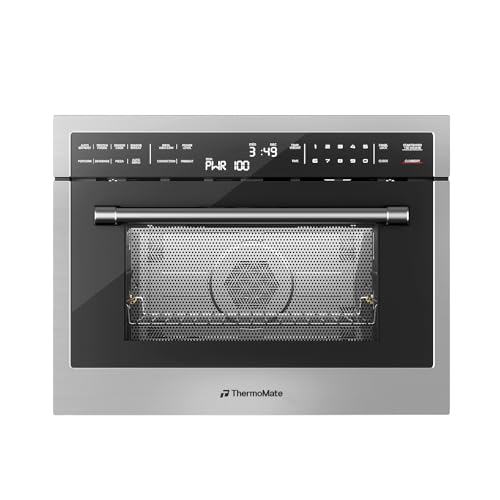
- Convection and microwave modes with sensor cooking, reheat, defrost, rapid pre-heat
- Top and bottom heating elements plus convection for even results
- Double-layered glass door for heat retention and safety
- Best for: Cooks who want a balanced bake and microwave performance in one unit
- Caution: May require careful alignment during installation due to dual heating elements
KoolMore Reserve Built-in Microwave Convection Oven

- 3-in-1: microwave, convection oven, and air fryer
- Wide temperature range: 175°F to 450°F for precision cooking
- Air fry and convection baking with a powerful convection fan
- Best for: Those seeking a premium, multi-functional unit with strong air fry capabilities
- Caution: Built-in look may require precise cabinet cutouts and professional installation
AAOBOSI 30 Inch Built-in Microwave & Convection

- Same 1.6 cu ft capacity with 10 power levels and 1000W microwave
- Includes Auto Menu, sensor cooking, and Air Fry function
- Glass touch control with LCD display and spacious 29.82-inch width
- Best for: Homes needing a larger built-in unit with robust cooking modes
- Caution: Larger footprint requires sufficient cabinet space and proper ventilation
GE Profile PT7800SHSS 30″ Built-In Convection Combo
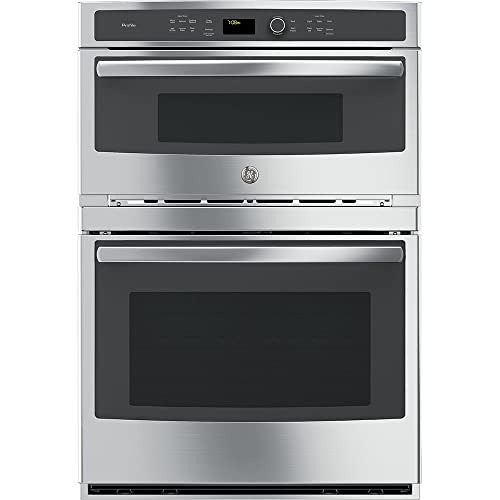
- Dual-function unit: upper 1000 W convection microwave, lower True European convection oven
- High power: Bake, broil, convection elements support a wide range of recipes
- Spacious overall capacity and precise control for even results
- Best for: Serious cooks who want a robust, high-capacity wall oven with integrated microwave
- Caution: Higher-end unit may require more complex installation and alignment with cabinetry
Buying Guide: Key Purchase Considerations
What should I prioritize in a wall oven with microwave convection?
Look for overall capacity, the number of cooking modes, and whether the unit uses true convection for even heating. Sensor cooking helps automate timing, while an air fry function adds versatility without extra appliances. Consider door type, ease of cleaning, and whether the unit fits your cabinet dimensions.
Which features matter most for busy households?
Sensor cooking, automatic defrost, and preset programs save time. A larger internal cavity accommodates bigger dishes, and a bright interior helps monitor progress without opening doors. Models with both convection and microwave speed up meal preparation.
Is installation compatibility important?
Yes. Check cabinet space, ventilation clearance, and electrical requirements (voltage, plug type). Some units require professional installation to ensure proper alignment and safe operation. Ensure the chosen model matches standard 24″ or 30″ built-in widths.
How to compare energy use and performance?
Convection ovens distribute heat more evenly, which can reduce cooking times. Combined microwave function consumes energy differently based on mode; preference for faster heating should guide your choice. Look for energy-efficient modes and pause/resume features.
What are common limitations to watch for?
Installation space constraints, heavier doors, and higher upfront costs are typical. Some models have limited internals reach or fewer auto-cooking presets. Always verify dimensions and clearance before purchasing.
How to choose between 24″ and 30″ models?
24″ models fit compact or apartment-style kitchens and are suitable for smaller households. 30″ units provide more internal space and additional features, which is beneficial for larger families or frequent entertainers. Your cabinet layout and available wall space will guide the choice.
FAQ
-
What is the benefit of a wall oven with microwave convection?
It combines microwaving with convection baking, allowing quick reheats and even, browning cooking in one appliance. -
Do these units require special venting?
Most built-in combinations are intended for indoor use without external venting; verify your model’s ventilation and installation requirements. -
Can I install a 24″ unit in a 30″ cabinet?
No. 24″ and 30″ models have different widths; ensure cabinet cutouts match the appliance width. -
Is sensor cooking accurate for all foods?
Sensor cooking is designed to adapt to common items, but you may still need minor adjustments for special recipes. -
What maintenance helps preserve performance?
Regularly clean the interior, check door seals, and follow manufacturer guidance for long-term performance. -
Which model is best for a luxury kitchen?
Models with premium finishes, advanced touch controls, and stronger convection performance (such as KoolMore Reserve or GE Profile) suit high-end kitchens.