Best Value Standard Sewing Machines for Everyday Projects
If you’re searching for a reliable, affordable sewing machine that handles common home-use tasks, these five models deliver solid performance without breaking the bank. They’re well-suited for beginners upgrading from a toy machine or hobbyists who want a dependable workhorse for alterations, crafting, and simple garments. For higher-end features, see the CS5055; for heavy-duty needs, the SINGER 4411; for portability, consider the handheld or tabletop options. This guide highlights why each option stands out for value and who should buy it.
| Product | Best For | Why This Is a Good Value |
|---|---|---|
| Brother FB1757X Mechanical Sewing Machine | Beginner to intermediate users seeking reliability | Standard 17 stitches and a 4-step buttonhole offer essential versatility at a budget price. |
| Brother CS5055 Computerized Sewing Machine | Medium-use crafters wanting more stitch variety | 60 built-in stitches plus an LCD display provide more options without a steep cost. |
| XM2701 Brother Sewing Machine | Lightweight, everyday projects | 27 stitches, auto needle threader, and a top load bobbin for quick setup. |
| SINGER Heavy Duty 4411 | Projects involving sturdier fabrics | Higher horsepower and metal frame for durability at a compelling price point. |
| Verdanika Portable Tabletop Mini Sewing Machine | Travelers, students, or quick fixes at home | Compact, stable with 12 stitches and two-speed control for simple tasks on the go. |
Brother FB1757X Mechanical Sewing Machine

- Features: 17 built-in stitches, 4-step buttonhole style, Reverse button
Best for: Beginners or casual makers who want essential stitches with simple operation. The mechanical design keeps servicing straightforward, and the 4-step buttonhole provides basic garment construction capability.
Why selected: This model offers reliable performance for value-conscious buyers who don’t need computerized features but still want versatility for common sewing tasks.
Caution: Lacks automatic needle threading—prepare for manual threading if needed.
Brother CS5055 Computerized Sewing Machine

- Features: 60 built-in stitches, LCD display, 7 included feet, 1-step auto-size buttonholes
Best for: Sewers who want more stitch variety and easier setup without stepping into pro-level equipment. The LCD helps beginners choose stitches and adjust settings.
Why selected: This is a strong value for those who want more decorative and utility stitches with straightforward ergonomics and included accessories.
Caution: Computerized features add cost and require basic software-friendly use; avoid if you prefer a purely mechanical unit.
KPCB Tech Sewing Machine for Beginners [Full Set]
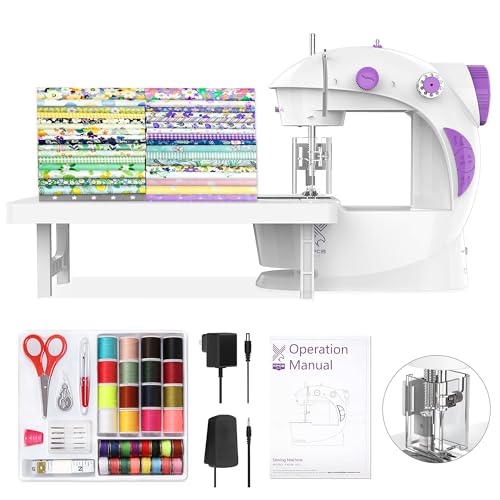
- Features: Fabric bundles, tutorial videos, beginner-friendly finger guard, slow and standard stitching speeds
Best for: Absolute beginners and students who need a full starter kit with guided learning resources and safe operation features.
Why selected: The bundled fabrics and videos offer immediate, practical practice, making it a value choice for learning and small projects.
Caution: Might be overkill for serious sewers who only need basic stitching without extras.
Brother XM2701 Sewing Machine

- Features: 27 stitches, auto-size buttonhole, automatic needle threader, drop-in top bobbin
Best for: Light to medium-duty projects where ease of setup and speed are priorities. The auto-threader and easy bobbin make frequent projects smoother.
Why selected: It balances a reasonable stitch selection with user-friendly features at a value price, suitable for everyday sewing tasks.
Caution: Not ideal for heavy fabrics or professional-level quilting that requires higher torque.
SINGER Heavy Duty 4411

- Features: 11 stitches, 69 stitch applications, 1100 stitches per minute, metal frame, 4-step buttonhole
Best for: Projects requiring durability and faster stitching, including denim and canvas, while maintaining lower cost than pro-grade machines.
Why selected: The metal frame and higher speed provide a practical upgrade for those tackling tougher fabrics on a budget.
Caution: The stitch variety is more basic compared with computerized models; advanced decorative stitches are limited.
Verdanika Portable Tabletop Mini Sewing Machine
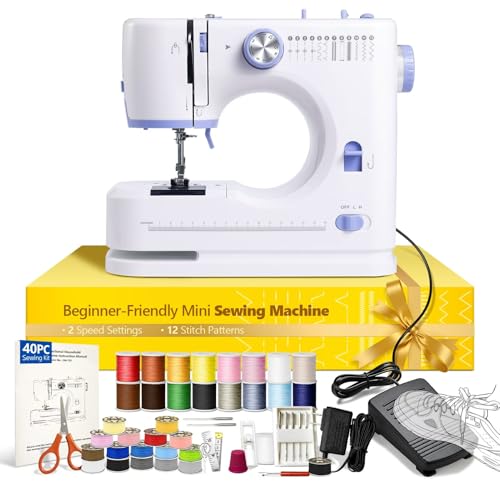
- Features: 12 stitch options, 2-speed control, compact metal frame
Best for: Travelers, students, or quick repair tasks where portability and simplicity are valued.
Why selected: For value-seekers who need on-the-go capability without a heavy machine, this option provides basic functionality with stable construction.
Caution: Limited stitch choices and power compared with full-size machines; best for small, simple projects only.
Buying Guide: What to Consider When Choosing a Value Sewing Machine
- Intended use: Are you sewing garments, home decor, or repairs? Choose stitch options accordingly.
- Mechanical vs. computerized: Mechanical machines tend to be cheaper and easier to service. Computerized models offer more stitches and conveniences but cost more.
- Stitch variety: If you regularly do decorative stitching, look for 60 or more built-in stitches or more. For basic repairs, 12–27 stitches may suffice.
- Speed and durability: A metal frame and a higher maximum stitches per minute benefit thicker fabrics and frequent use.
- Portability: If you travel or have limited space, opt for a compact or handheld model with a stable frame.
- Accessories: Feet, bobbins, needles, and manuals add long-term value; verify what’s included.
- Maintenance: Consider machines with easy threading and simple bobbin loading to reduce maintenance friction.
- Warranty and support: Check the warranty terms and availability of replacement parts and service.
Frequently Asked Questions
- What is the difference between mechanical and computerized sewing machines?
- Is a heavier machine always better for value?
- How many stitches do I need for basic sewing?
- Can I upgrade from a beginner model to a more capable machine later?
- What should I check before buying a sewing machine online?
Mechanical machines rely on manual controls and fewer automatic features, while computerized machines provide digital stitch selection, automatic threading, and other conveniences at a higher price.
Not necessarily. Heavier machines often have sturdier frames for durability and thicker fabrics, but portability and space may be more important for value in small spaces.
For basic sewing, 12–27 built-in stitches cover most seams, hems, and basic decorative options.
Yes. Many beginners upgrade as they take on more complex projects; keep compatibility with your ports, presser feet, and bobbins in mind when upgrading.
Check stitch options, motor speed, frame material, included accessories, warranty, and if the machine is suitable for the fabrics you plan to work with.