Best Cheese Press With Pressure Gauge: Top Home Kits for Perfect Pressed Cheese
Finding the right cheese press with a reliable pressure mechanism helps home cheesemakers achieve consistent texture and moisture. This guide highlights five strong options that align with a typical home setup, including a lever press design and sturdy molds. These picks suit beginners building a basic cheese cave, hobbyists crafting cheddar or gouda, and seasoned cooks expanding their artisanal repertoire.
Overview at a glance. The table summarizes each selected product’s core strengths to help you compare quickly.
- Product 1: PetriStor BIG Dutch Wooden Cheese Press — best for high-pressure, large-batch pressing.
- Product 2: PetriStor Wooden Cheese Press, 16-Inch Oak — best for long-term durability and versatility.
- Product 3: PetriStor Round Wooden Cheese Press, 11.2-Inch — best for compact round cheeses.
- Product 4: Dutch Style Hardwood Cheese Press by theMilkman — best for hardwood quality and aesthetic.
- Product 5: PetriStor 16-Inch Model with Metal Guides — best for premium kit with multiple molds.
BIG Dutch Wooden Cheese Press — Heavy-Duty Home Press

This PetriStor model is designed for home cheesemaking with a lever that delivers up to 400 pounds of pressure. It uses moisture-resistant plywood and an oil-wax finish to extend life in a typical kitchen or garage setup. Two 6.2-inch molds are included, and the system supports molds up to 11 inches in diameter. Best for: larger cheeses and cheesemakers who want higher pressing force without complicated accessories. Limitation: expressed pressure may vary with mold size and lever balance if not correctly aligned.
Wooden Cheese Press, 16-Inch Oak Kit

This natural oak press emphasizes durability with oil-wax coated wood and metal guides, suitable for cheddar or hard cheeses. The kit includes two molds (around 0.48 gallons each), cheesecloth, springs, and a measuring scale. Best for: users seeking a robust, long-lasting press with precise measurements. Limitation: larger molds require careful space planning on a countertop or table.
Wooden Cheese Press, Diameter 11.2-Inch Round Model

This round-shaped press uses a 11.2-inch mold with a 45-ounce capacity, plus 50-pound pressing potential. It’s a flexible DIY option for small to medium rounds and pairs well with 1-2 molds for easy rotation. Best for: artisanal rounds and experiments with smaller wheel sizes. Caution: the pressure may feel insufficient for very hard cheeses if molds aren’t full or the follower piston isn’t properly seated.
Dutch Style Hardwood Press by theMilkman
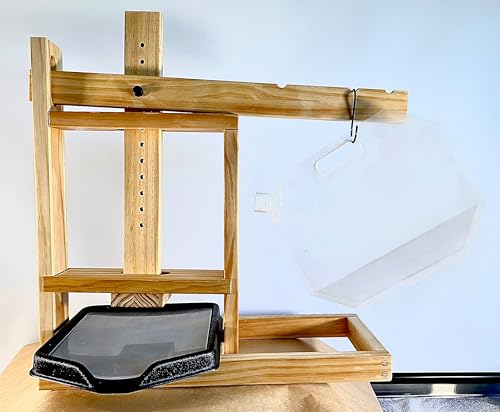
Crafted from 100% hardwood, this press focuses on high-quality materials and aesthetic appeal. It avoids pressboard or plywood, emphasizing a clean, natural look for home cheesemaking. Best for: users who value hardwood construction for personal projects or as a visual centerpiece. Limitation: hardwood components can be heavier and may require more storage space.
PetriStor 16-Inch Press With Metal Guides

This large-capacity model includes four molds and a follower piston, offering a robust option for serious home cheesemakers. Metal guides improve alignment and reduce deformation during pressing. Best for: users who want a versatile, long-lasting kit with multiple molds for frequent cheesemaking. Caution: ensure adequate space for the 16-inch diameter and mold setup.
Buying Guide: Key Considerations for a Cheese Press With Pressure Gauge
- Press type and leverage: Levers provide straightforward control, but some models rely on applied weights or screw mechanisms. Choose based on how you plan to monitor pressure and the level of precision you need.
- Material quality: Hardwood and oil-waxed wood resist moisture and warping better than basic plywood. Metal guides improve mold alignment and consistency across presses.
- Molds and capacity: Consider the wheel size or mold volume you want. Larger capacity suits cheddar and gouda; smaller rounds work well for camembert and feta varieties.
- Ease of use and maintenance: Look for kits with included cheesecloth, measuring scales, and simple disassembly for cleaning. Avoid parts that trap moisture or are difficult to dry.
- Storage and space: Larger presses require more counter or shelf space. If you have limited room, prioritize a compact model with a reliable mold set.
- Durability versus budget: Higher-quality hardwood and metal components offer longer life but may cost more. Balance upfront cost with expected longevity.
FAQ: Quick Answers for Buyers
- What is a cheese press with pressure gauge used for? It helps apply consistent pressure to whey-curd and cheese curds, promoting moisture loss and texture development during aging or curing.
- Can I press different cheese types with these presses? Yes, most presses support multiple cheese types like cheddar, gouda, and hard cheeses, depending on mold and follow piston setup.
- Do these presses require maintenance? Yes. Clean after use, dry thoroughly, and reapply oil or wax to wooden surfaces as recommended by the manufacturer.
- Is a larger press always better? Not necessarily. Choose capacity based on the cheese sizes you plan to make and your storage space.
- Are these presses suitable for beginners? Yes. Most kits include molds, cheesecloth, and a follower piston, making them accessible for new cheesemakers.
- Do these products come with safety features? Features vary by model; always follow manual instructions, especially when applying high pressures.