Best Mini Fridge Cooling System Kits for DIY Enthusiasts
Answer: For a compact, self-contained cooling setup, thermoelectric mini fridge kits provide straightforward installation, solid efficiency, and versatile DIY potential. These kits are ideal for electronics hobbyists, makers building small cooling projects, and anyone wanting a hands-on, low-noise cooling solution. The top picks below focus on thermoelectric and DIY module kits that prioritize easy assembly, durable construction, and clear heat management.
Buyer types this guide suits best:
– DIY hobbyists seeking plug-and-play cooling modules.
– Small-lab or portable-project builders needing compact, quiet cooling.
– Enthusiasts designing custom mini-fridges, small coolers, or DIY air-conditioning units.
| Product | Best For | Key Benefit |
|---|---|---|
| Yrhrol Dual Kit | DIY electronics fans | Large radiator with dual fans for quick cooling |
| Yrhrol 12V DIY Kit | Compact projects | Durable seal, easy wiring, strong cooling |
| Yrhrol Mini Air Conditioner Kit | Portable cooling builds | Upgraded heat sink, fast cooling |
| Yosoo Health Gear Thermoelectric Cooler | DIY fridges and mini coolers | Ample cooling area and versatile applications |
| Walfront 12A Thermoelectric Kit | Budget DIY projects | Fast cooling with practical wiring |
Yrhrol Dual Kit: DIY Thermoelectric Cooling System

Features include a fully assembled, easy-install design, with a complete sealing structure to isolate moisture and durable aluminum plus TEC1-12706 cooling plate. Power is supplied by DC 12V and the kit lists a max 144W. Best for electronic enthusiasts building semiconductor cooling projects that require a quiet, compact solution. Limitation: larger heat dissipation may require additional external cooling in hotter environments. This kit is well-suited for DIY fridges and small cooling modules where quick setup matters.
Yrhrol 12V DIY Thermoelectric Kit

Best for: compact projects needing a sealed, durable unit. This kit uses aluminum with TEC1-12706 cells for durability and includes a large radiator with fans. It operates at 12V DC with up to 72W power. Choose this if you want a straightforward, ready-to-connect cooling module for small DIY fridges or portable cooling devices. Caution: ensure your enclosure has adequate venting for heat rejection to maintain performance.
Yrhrol Mini Air Conditioner Kit

Best for: enthusiasts building compact cooling projects that need fast, efficient heat dissipation. This kit features an upgraded thicker heat sink and a robust S-type radiator design, plus a 12V DC power supply with 72W max. It includes a high-efficiency cooling fan arrangement for rapid temperature drops. Limitation: integrated components may require careful thermal management if used in high-ambient-temperature environments.
Thermoelectric Cooler by Yosoo Health Gear

Best for: versatile DIY cooling projects including mini fridges and small air conditioners. This cooler emphasizes a large cooling block and extensive air contact to accelerate cooling. It supports DIY integration for a range of applications and is designed to offer rapid reduction in temperature. Caution: performance depends on adequate heat rejection; ensure you provide enough airflow around the heat sink for best results.
Walfront 12V 12A Thermoelectric Kit
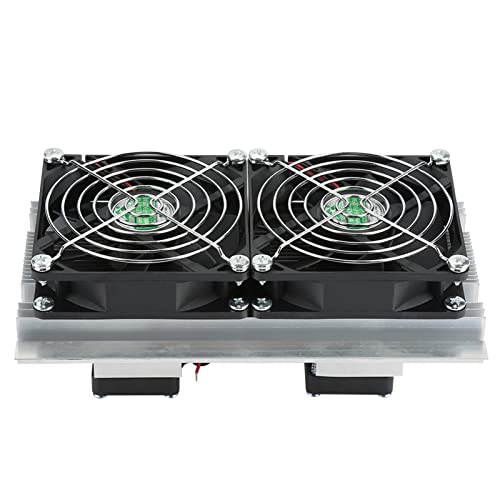
Best for: cost-conscious DIYers needing quick, practical cooling. The kit uses semiconductor cooling with convenient wiring and fans for effective heat exchange. It’s suitable for small cooling builds, including mini fridges and compact coolers. Limitation: cooling efficiency can vary with ambient conditions; plan for adequate power supply and heat dissipation.
Buying Guide
- What is your cooling target? If you need rapid cooling for small enclosures, prioritize kits with large heat sinks and multiple fans.
- Power and energy: Most kits operate at 12V DC. Check max power (W) and ensure your power source can safely supply it.
- Heat management: Effective heat rejection is essential. Favor kits with sealed moisture-resistant enclosures and robust radiators.
- DIY scope: Do you want a plug-and-play module or a more expandable platform? Some kits are fully assembled and ready to install, others are modular.
- Noise and vibration: For quiet operation, look for kits advertised as low-noise with stable fans and solid mounting.
- Project compatibility: Ensure the kit dimensions fit your specific project, and confirm if additional components (shelves, enclosures) are needed.
- Safety and reliability: Choose kits with durable materials and proper insulation to minimize moisture and short circuits.
Frequently Asked Questions
- What is a thermoelectric cooling system?
It uses the Peltier effect to move heat from one side of a junction to the other, creating a cold side for cooling and a hot side for heat rejection.
- Are these kits suitable for food cooling?
They can be used for small, non-perishable cooling projects, but ensure proper food-grade materials and food-safety guidelines are followed for any edible items.
- Do these kits require refrigerants?
No. Thermoelectric cooling kits operate without refrigerants, relying on heat transfer via heat sinks and fans.
- Is external ventilation important?
Yes. Adequate ventilation around the hot side of the module improves performance and prevents overheating.
- What maintenance is needed?
Keep heat sinks clean, ensure fans run smoothly, and check electrical connections regularly for signs of wear or moisture.