Best Electric Stove Plug Adapters to 110V for Gas Conversions
If you’re switching from an electric stove to a gas range, you’ll need a reliable 110/120V adapter to power igniters, clocks, and lights without rewiring your kitchen. The following five adapters are designed to convert older high‑voltage stove outlets to standard 110V/125V receptacles. Each option is suited to different setups, from simple plug‑and‑play solutions to multi‑outlet hubs for powering multiple devices. This guide highlights who each product is best for, plus practical considerations to help you choose.
Summary table of selected products:
| Product | Best For | Key Benefit |
|---|---|---|
| Southwire 9042SW8801 | Gas range installations needing a secure, UL‑listed convert | UL listed, built‑in overload protection |
| LAVANDINO 3 Prong 220 to 110 Adapter | Simple gas‑range ignition and lights | Three prong to three outlets, compact |
| MECMO 50A 220 to 110 Adapter | Powering multiple 110V devices from a 50A outlet | Converts one outlet into four 125V ports with two breakers |
| HUBRV NEMA 10-50P to 110V Adapter | High‑power gas range setups needing four 110V outlets | Dual 20A breakers, plug‑and‑play |
| Zhudiyof 10-50P to (3) 5-15R | Low‑cost, quick 110V conversion with neon indicator | Neon light for status, compact |
Southwire 9042SW8801 UL Listed Electrical Outlet Gas Range Adapter
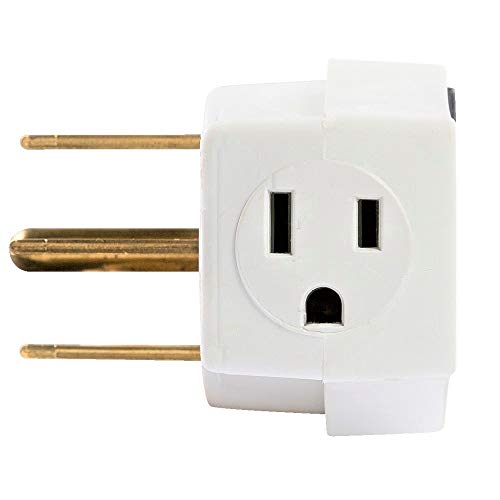
The Southwire adapter converts a 250V receptacle to a 125V/110V receptacle, enabling a gas range to run on standard house voltage. It is UL listed and designed for an easy plug‑and‑play transition from a 4‑prong 220/240/250V plug to a 110/120/125V plug. Best for homeowners who want a simple, safety‑listed solution without rewiring. A potential limitation is that it assumes the existing circuit and receptacle support the new load safely; verify circuit capacity before use.
LAVANDINO 3 Prong 220 to 110 Adapter Plug for Stove

The LAVANDINO adapter uses a NEMA 10‑50P male plug to convert to three standard 5‑15/5‑20R female outlets, enabling three household devices to share a single high‑voltage outlet. Best for light to moderate loads when powering a gas‑range ignition, clock, and a couple of auxiliary devices. It supports up to 30 amps with 10 AWG copper wiring. Choose this if you need a compact, tri‑outlet solution; beware it’s not a dedicated four‑outlet hub, so plan power use accordingly.
MECMO 50A 220 to 110 Household T‑Blade Adapter

Designed for older 3‑prong 10‑50R outlets, MECMO converts a single 50A/250V outlet into four 125V/20A receptacles with two built‑in 20A circuit breakers. This makes it suitable for powering gas range igniters, tools, or lights after converting from electric, while providing safer load distribution. Best for users needing multiple 110V outlets from a single high‑power source. A limitation is that it targets older outlets; not intended for newer 4‑prong configurations.
HUBRV NEMA 10-50P to 110V Adapter

This HUBRV adapter converts an old NEMA 10‑50R stove outlet into four 110V/125V household outlets with dual 20A circuit breakers. It’s ideal for homeowners who want a plug‑and‑play hub to power multiple devices (ignition, clock, lights) from a single high‑power outlet during the gas stove conversion. Best for multi‑device setups; avoid this if your wall outlet is not NEMA 10‑50R or if your wiring cannot handle the added continuous load.
Zhudiyof 10-50P to (3) 5-15R Adapter With Neon

The Zhudiyof adapter uses a 10‑50P male plug to feed three 5‑15R outlets, with a neon indicator to show power status. It provides up to 120V output with a maximum of about 3750W. Best for budget‑conscious installations needing a visible power status indicator. A limitation is the lower outlet count, which may require careful power budgeting if you run multiple devices simultaneously.
Buying Guide: Key Considerations For Choosing The Right Adapter
What should you evaluate before purchasing? Start with the outlet type you’re converting from (NEMA 10‑50R, 10‑50P, or others) and ensure the adapter matches the wall receptacle. Consider circuit protection: does the adapter include built‑in circuit breakers or fuses? If you’re powering multiple devices, a multi‑outlet hub with isolated breakers helps prevent overload. Check compatibility with your gas stove’s ignition and clock requirements, and verify the maximum current rating matches your planned loads. For renovations, consider whether you prefer plug‑and‑play simplicity or a higher‑capacity hub that can handle several devices at once. Finally, ensure the product is ETL or UL listed for safety and reliability.
Practical comparison questions
- Do you need a single outlet or multiple 110V outlets? If multiple devices must run, choose a hub with several receptacles and separate breakers.
- Is circuit protection built in? Adapters with integrated breakers reduce the risk of overloads in busy kitchens.
- Are you working with an older 3‑prong or a newer 4‑prong configuration? Match the plug type precisely to avoid incompatibilities.
- How much power will your devices draw? Ensure the total possible load does not exceed the adapter’s rating.
- Is visual status helpful? A neon indicator can aid in quick verification of power status in dim kitchens.
Frequently Asked Questions
What is the main purpose of these adapters?
To convert high‑voltage stove outlets to standard 110V/125V receptacles for gas ranges and their electrical needs.
Do these adapters require professional installation?
Most are plug‑and‑play, but verify circuit capacity and wiring to avoid overloads; consult a qualified electrician if unsure.
Can I power multiple devices at once with these adapters?
Some models provide multiple outlets with separate breakers; use only within the rated current to prevent tripping or hazards.
Are these adapters safe for long‑term use?
Choose UL/ETL listed products with built‑in protection and follow manufacturer guidelines for load limits and ventilation considerations.
Will these adapters affect warranty or appliance performance?
Adapters designed for their specific purpose generally do not affect appliance warranties when used as directed; always verify compatibility.
Should I install a new outlet instead of using an adapter?
If you frequently use high‑draw devices or require dedicated circuits, installing a proper 110V outlet may be a safer long‑term solution.