Best Side-of-Stove Protectors for a Cleaner Kitchen
Looking for the right side-of-stove protectors to keep crumbs, spills, and gunk from slipping between your stove and counter? This guide highlights five top options that fit common gaps and are easy to clean. Best for different kitchen layouts, they range from flexible silicone to durable stainless steel. Use this to pick a protector that matches your gap width, heat exposure, and installation preferences.
| Product | Best For | Approximate Length | Material |
|---|---|---|---|
| Linda’s Essentials Silicone Stove Gap Covers (2 Pack), 21 Inches, Black | Flexible gaps, lightweight kitchens | 21 inches | Food-grade silicone |
| 2 Pack Flexible Kitchen Stove Gap Covers, 21 Inches | Budget-friendly, easy to trim | 21 inches | Silicone |
| Linda’s Essentials Stainless Steel Stove Gap Covers (2 Pack) | Heavy-use kitchens, longer gaps | 13.8 to 27.5 inches | 304 stainless steel |
| Stainless Steel Stove Gap Cover (2 Pack), Black | Durable, high-heat areas | 13.8 to 27.5 inches | Stainless steel |
| 3rd Generation B-Forest Silicone Stove Gap Covers (2 Pack) | All-purpose, easy to clean | 25 inches | Silicone |
Buyer tip: measure the exact gap width and depth before purchasing. If you have an uneven surface, look for a flexible material that adapts to contours. For frequent cleaning, prioritize silicone or stainless steel that’s dishwasher-safe or easy to wipe down.
2 Pack Flexible Kitchen Stove Gap Covers
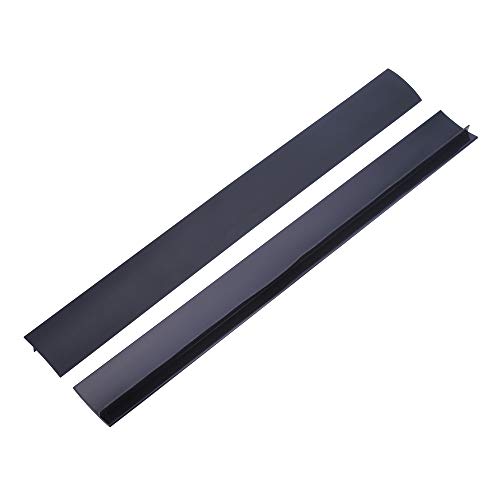
Best for: Budget-conscious buyers who want a simple, easy-to-install silicone solution for standard stove-to-counter gaps. The silicone is described as food-grade and easy to wipe, suiting households with kids or frequent spills. The product is marketed as a flexible gap filler that can be cut to fit shorter lengths, making it adaptable for various stove widths.
Why selected: It offers a straightforward, non-slip design that conforms to most stove and counter surfaces. The long 21-inch length helps cover typical gaps, and the material is designed for quick cleaning, reducing buildup between appliances.
Limitations: Measuring before purchase is advised to ensure the gap size fits, as some installations may require trimming. Long-term durability depends on how aggressively the area is cleaned and how often the edge is cut.
Linda’s Essentials Silicone Stove Gap Covers (2 Pack), 21 Inches
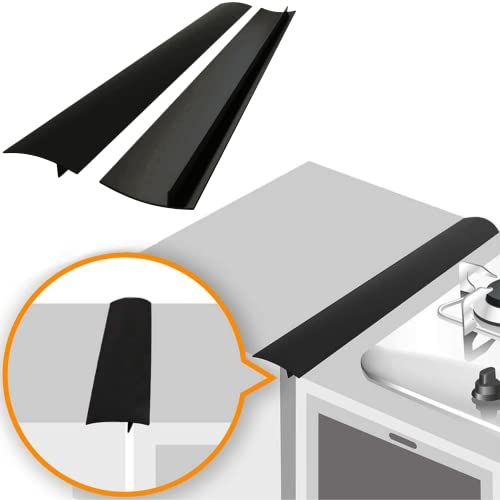
Best for: Homes seeking a lightweight silicone option with a wide fit that can be trimmed to size. Ideal for standard kitchen configurations where the gap sits around 2 inches wide or less. Easy to wipe and designed to resist crumby buildup.
Why selected: This widely used silicone cover is marketed as heat-resistant and easy to customize by cutting to fit. The 21-inch length is a common dimension that aligns with many stoves and countertops, providing a simple barrier against spills.
Limitations: Silicone can be less rigid than metal; on uneven edges, it may require careful trimming to maintain a clean seal.
Stove Gap Covers Stainless Steel, 2 Pack

Best for: Kitchens that require a durable, heat-resistant metal shield with adjustable length. The telescoping design lets you set lengths from 13.8″ to 27.5″, making it suitable for a range of gap sizes. Suitable for both flat and uneven surfaces with careful installation.
Why selected: Stainless steel offers long-lasting resistance to heat, rust, and deformation, making it a robust choice for busy households. The adjustable length helps accommodate mismatched gaps and varied countertop configurations.
Limitations: Stainless steel edges may be sharp if not finished; ensure edge grinding is done or choose models with rounded edges to reduce risk of cuts during installation.
Linda’s Essentials Stainless Steel Stove Gap Covers (2 Pack)

Best for: Kitchens seeking a stainless steel, extendable solution with a precise fit. The 13.8″ to 27.5″ range covers many common gaps, and the 304 stainless steel offers corrosion resistance for long-term use.
Why selected: This option combines a robust metal construction with adjustable length to seal gaps effectively, reducing crumb and spill infiltration. It is designed to blend with stainless appliances and provides a built-in appearance when installed correctly.
Limitations: It requires careful alignment to maintain a seamless look; ensure the gap width is within the specific 2mm to 17mm range for best results.
3rd Generation B-Forest Silicone Stove Gap Covers (2 Pack)

Best for: Those who want a universal, easy-to-clean silicone gap cover that can adapt to different stove configurations. The 25-inch length fits many standard counters and stoves and is designed for simple maintenance.
Why selected: The silicone material provides flexibility to seal irregular gaps and is described as dishwasher-safe, which helps with frequent cleaning routines. The 25-inch size helps cover typical gap lengths without excessive trimming.
Limitations: Silicone gaps may sag slightly if the gap is very wide or if edges are cut too short; ensure it is trimmed to a snug fit for the best seal.
Buying Guide
What material should I choose?
Silicone is flexible, easy to trim, and easy to wipe clean, making it a common pick for irregular gaps. Stainless steel provides durability and a clean, built-in look, better for high-use kitchens but may require more precise installation.
How do I measure my gap?
Measure the gap width at the back of the counter and the front edge, and check the depth if the protector rests on a ledge. For most products, ensure the gap is between 2mm and 17mm (0.08″ to 0.67″) for metal options, and up to 2 inches for silicone with good bend.
Is installation easy?
Most options install without tools: place and trim to fit, or slide into place. Retractable or telescoping models offer adjustable lengths for precise sealing. If your countertop or stove edge is uneven, consider flexible silicone lines rather than rigid metal pieces.
What about cleaning and maintenance?
Silicone covers are generally dishwasher-safe or easy to hand-wipe. Stainless steel covers resist staining and corrosion but may require occasional polishing to maintain a seamless look. Avoid abrasive cleaners on metal surfaces to prevent scratching.
Which is better for children or spills?
Silicone is forgiving if a spill occurs, and many silicone covers are designed to be easy to wipe. Stainless steel provides a more permanent feel and resists heat and wear in busy kitchens. Choose based on how often you clean and how much you value a built-in appearance.
Durability and warranty considerations
Stainless steel options tend to hold up longer in high-use environments. Silicone options offer simpler trimming and replacement. Check installation manuals or manufacturer resources for care instructions and replacement parts.
FAQ
- What is the typical gap width these protectors cover? Most covers fit gaps from about 2mm to 17mm, with some silicone options accommodating wider spaces when trimmed.
- Can I cut silicone covers to fit shorter gaps? Yes. Silicone can be easily cut with scissors to fit shorter gaps while maintaining a seal.
- Are stainless steel covers heat resistant? Yes. They are designed to withstand typical kitchen heat without warping or melting, though edges should be smooth to avoid cuts.
- Do these protectors work with uneven or rounded counter edges? Flexible silicone models adapt better to uneven edges, while stainless steel models require careful measurement and may be less forgiving on irregular surfaces.
- Is installation permanent? No. Most protectors are removable for cleaning or replacement, making it easy to re-fit if your stove or counter changes.
- Do any options require professional installation? No. All listed products are designed for simple, do-it-yourself installation.