Best Freestanding Versus Built-in Ovens for Your Kitchen
Choosing between a freestanding and a built-in (wall or oven) unit comes down to space, installation, and cooking needs. This guide highlights five top picks—balanced for small kitchens to professional setups—so you can compare performance, installation, and value. Freestanding options typically offer easier installation and flexibility, while built-ins integrate seamlessly with cabinetry for a streamlined look. The right choice depends on your kitchen layout, cooking frequency, and whether you want a single or double oven setup.
Kratos 29Y-057 Freestanding Convection Oven

Best for: small to mid-sized commercial kitchens or serious home bakers who need a compact freestanding convection oven. Features include energy-efficient direct hot-air cooking, a 150–500°F range, and a 30-minute timer with interior lighting. The unit is a 240V single-phase model with 11 kW of power and cool-to-touch handles for safer operation. Consider this if you want a high-output, easy-to-install freestanding oven without cabinetry work.
Caution: Professional electrical hardwiring is required, so plan for installation by a qualified technician.
AAOBOSI 48 Inch Freestanding Gas Range With Double Ovens

Best for: households or small restaurants needing a standalone stove with robust gas power and double baking capacity. The unit features six sealed burners plus a center grill burner, with two large convection ovens (2.2 cu. ft. and 4.8 cu. ft.). It offers natural gas and LPG compatibility and solid safety features like flame failure protection. Choose this if you want a comprehensive freestanding cooking center with serious oven capacity.
Caution: Gas installation and venting must comply with local codes; ensure professional setup for safe operation.
Samsung 30″ Smart Double Wall Oven With Steam Cook

Best for: built-in kitchens where wall integration and smart features matter. This 30-inch double wall oven includes dual convection for even cooking and a Steam Cook feature to balance moisture and crispiness. It’s designed for larger families or entertaining, offering a large capacity and fingerprint-resistant finish. Choose this built-in option for a sleek, high-tech cooking workflow.
Caution: It is a built-in appliance; installation requires cabinetry and electrical work, so include professional installation in planning.
Verona VPFSEE365DE Freestanding Double Oven Electric Range

Best for: kitchens needing a freestanding double oven with European convection capabilities and a compact footprint. This model provides five heating elements, a full-width storage drawer, and a total 3.5 cu. ft. oven capacity. It suits homeowners seeking a stylish, high-function freestanding range with ample oven space for holiday meals or multi-dish cooking.
Caution: While stylish and practical, ensure the unit’s electrical requirements align with your home’s wiring and that you have clearance for a freestanding installation near counter space.
COSMO Haven Coll 30-Inch Double Electric Wall Oven
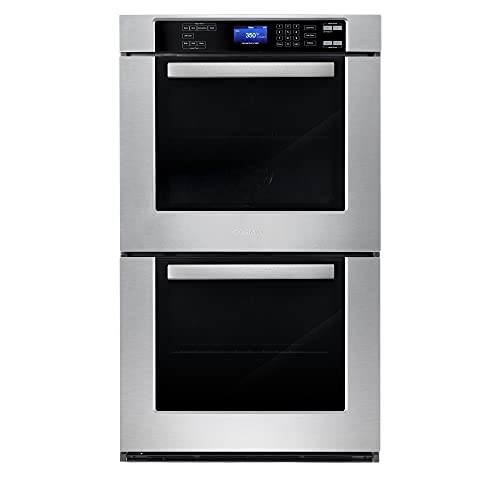
Best for: built-in wall oven users who want a true double oven with true European convection and a concealed bake element for easy cleaning. The 30-inch Haven Coll unit emphasizes efficient cooking with multiple oven functions and a design that blends with modern cabinetry. Choose this if you prefer a clean, integrated look with reliable convection performance.
Caution: Built-in installation requires precise cabinet cutouts and electrical connections; verify clearance for maintenance access and ventilation.
Buying Guide: Choosing Between Freestanding And Built-In Ovens
- Space And Layout: Freestanding units require floor space and some rear clearance but are easier to swap. Built-ins blend with cabinetry for a seamless kitchen look but demand precise measurements and professional installation.
- Installation And Wiring: Freestanding often uses standard outlets or simple hardwiring, depending on the model. Built-ins may require dedicated circuits and cabinet cutouts. Check local codes and permit needs.
- Capacity And Versatility: If you regularly bake multiple dishes, double ovens (built-in or freestanding with two ovens) offer more flexibility. For compact kitchens, a single freestanding convection or a compact wall oven may suffice.
- Controls And Features: Look for convection cooking, roasting options, steam or self-cleaning capabilities, and smart connectivity for built-ins. Freestanding units may emphasize power and speed, with straightforward controls.
- Energy Efficiency: Energy-efficient heating tubes, well-insulated walls, and double-pane windows help reduce energy use. For kitchens with open floor plans, efficiency becomes more noticeable.
- Maintenance And Cleaning: Wall ovens with hidden broil elements and enamel interiors are easier to clean. Consider double-glazed viewing windows for visibility and safety features like cool-to-touch handles or flame protection in gas models.
- Budget And Longevity: Built-ins typically involve higher upfront costs due to installation and cabinetry work but can add resale value. Freestanding units often present lower initial costs and easier replacement.
Frequently Asked Questions
- What is the main difference between freestanding and built-in ovens? Freestanding ovens stand alone and can be moved, while built-in ovens are integrated into cabinetry for a seamless kitchen look.
- Which is better for small kitchens? A compact freestanding convection oven or a built-in wall oven with a smaller footprint can save space and improve workflow, depending on layout.
- Do built-in ovens require professional installation? Yes, most built-in units require cabinet modifications, precise cutouts, and electrical connections, so professional installation is recommended.
- Can I mix freestanding and built-in units? Yes, many kitchens combine a freestanding range with a separate built-in wall oven to maximize capacity and flexibility.
- Which features matter most for baking? Convection capability, even heat distribution, and an interior cavity that’s easy to clean are critical for consistent baking results.
- Are steam ovens worth it? Steam or hybrid steam-convection configurations can improve moisture and texture, especially for bread and vegetables.