Best Juicer for Celery Juice: Top Picks for Fresh Green Juicing
Get smooth, nutrient-rich celery juice with a dedicated juicer that minimizes clogging and preserves greens’ vitality. The best options below are chosen for celery juice enthusiasts: they handle fibrous stalks, offer texture control, and fit different kitchen sizes. Ideal buyers include those seeking high throughput, compact single-serve juicers, or models that minimize prep and maximize yield. The summary table highlights each top pick’s strengths for celery juicing.
| Product | Best For | Key Benefit For Celery |
|---|---|---|
| Ninja NeverClog Cold Press JC151 | All-Day Home Juicing | Slow masticating extraction with pulp control. |
| QCen 500W Juicer | Budget, Quick Juicing | Powerful centrifugal motor with wide mouth. |
| Elite Gourmet EJX600 | Space-Saving Singles | Compact, slow cold press with small footprint. |
| Hamilton Beach 800W Juicer | Family-Size Juicing | Extra-large chute; easy cleaning. |
| YPONE 2-In-1 5.8″ Chute Juicer | Whole Fruit Juicing | Very large feed chute for celery stalks. |
Ninja NeverClog Cold Press JC151

This slow masticating juicer powers through celery and greens with a high-torque motor for smooth cold-press juice. It offers 2 pulp filters to tailor texture from less pulp to lots of pulp, and it includes Start/Stop and Reverse programs to reduce jams. Best for home cooks who want texture control and clog-free juicing.
Who it’s for: households prioritizing pulp texture and steadier juicing through fibrous celery. Why chosen: strong extraction with jam-reduction features; easy cleanup.
Caution: the unit’s capacity and setup are best suited for medium batches; very large volumes may slow down during continuous use.
Qcen Juicer Machine, 500W
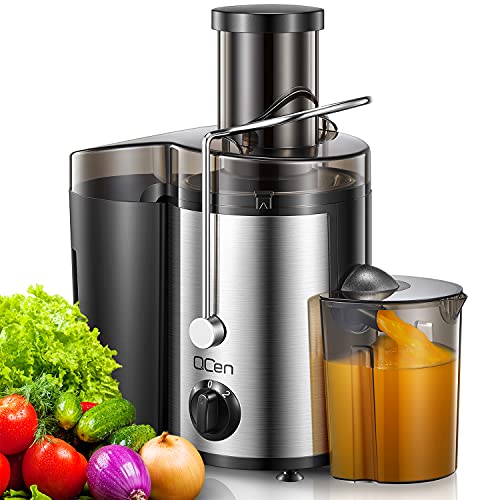
This centrifugal juicer features a 500W motor and a 3” wide feed chute, designed for quick processing of celery stalks and other produce. It offers dual speeds for soft and hard produce, helping you optimize juice yield with minimal prep.
Best for: budget-conscious buyers who want fast juicing and a straightforward setup. Why chosen: wide mouth saves prep time; two speeds add flexibility for celery alongside fruits.
Caution: centrifugal design tends to be less gentle on greens than masticating models; expect slightly more foam in some batches.
Elite Gourmet EJX600

This mini compact slow juicer is designed for 1–2 servings at a time, with a 16 oz juice cup. It emphasizes slow cold-press extraction at 70 RPM for smooth juice with less foam and oxidation. The small footprint makes it ideal for tight kitchens or personal use.
Best for: individuals or small households seeking a space-saving option for celery juice. Why chosen: quiet, dense-nutrient extraction in a compact form.
Caution: not suitable for large-batch juicing; the 16 oz cup requires more frequent refills for bigger families.
Juicer Machines With 5.8″ Large Chute (YPONE)
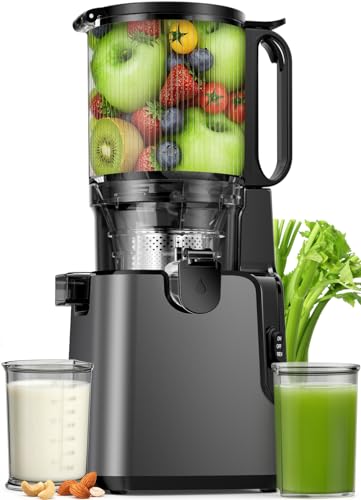
This 2-in-1 juicer provides a 5.8″ feed chute, making whole celery stalks and large produce easier to juices with minimal prep. It claims 100% nutrient extraction through a powerful motor and slow masticating action at 55 RPM, preserving nutrients and reducing heat.
Best for: families and meal-prep enthusiasts who want whole-fruit processing and high nutrient retention. Why chosen: large chute reduces prep time; versatile for juice, nut milk, and sorbet with interchangeable strainers.
Caution: check compatibility with celery stalks and greens; some users may prefer a dedicated celery-branched juicer for extremely fibrous greens.
Hamilton Beach Juicer Machine, 800W

This centrifugal juicer features an extra-large 3” chute and an 80 oz pulp bin, powered by 800W. It emphasizes easy cleanup and quick juicing of whole fruits and vegetables, including celery stalks.
Best for: families or gatherings where multiple servings are needed quickly. Why chosen: high throughput and dishwasher-safe parts, reducing prep and cleanup time.
Caution: centrifugal juicers can produce more foam and heat with dense greens; consider a slower approach for maximum nutrient retention if foam is a concern.
Buying Guide: Key Considerations For Celery Juicing
- Juicing method: Slow/masticating juicers excel at celery by reducing oxidation and foam, preserving nutrients, and minimizing clogging. Centrifugal models are faster but may struggle with fibrous stalks over time.
- Pulp control: If you want texture customization for celery and greens, look for models with adjustable pulp filters or dual-pulp settings.
- Feed chute size: A larger chute reduces prep but may require more space. Narrow chutes can yield finer juice with more prep time.
- Capacity and batching: Consider whether you need single servings or family-sized batches. Mini units suit individuals; larger models suit households.
- Ease of cleaning: Dishwasher-safe parts and straightforward disassembly save time after juicing celery.
- Noise level: Slow juicers are typically quieter, which matters for early-morning celery juice routines.
- Durability and warranty: For frequent juicing, choose robust builds and a reasonable warranty window.
- Versatility: If you plan to juice other produce or make nut milks or sorbets, models with interchangeable strainers or 2-in-1 functionality offer more value.
Frequently Asked Questions
What is the best type of juicer for celery juice?
Slow, masticating juicers are generally best for celery due to gentle extraction, reduced foam, and higher nutrient retention compared to centrifugal juicers.
Should I choose a large chute for celery?
A large chute reduces prep work by allowing whole celery stalks to be juiced, but ensure the motor and gearing can handle fibrous stalks reliably.
Is pulp control important for celery juice?
Yes. Pulp control lets you adjust texture to your preference, which can improve mouthfeel and yield.
Are 800W or higher motors necessary for celery?
Higher wattage helps with dense produce, but the efficiency of slow extraction and feed-chute design matters more for celery than raw power alone.
Can these juicers also make green juice from leafy greens?
Most masticating models handle greens well, while centrifugal models may struggle with texture and yield when processing large amounts of greens.