Best Refrigerator Door Light Bulbs for Bright, Reliable Visibility
If you’re searching for the right refrigerator door light bulb, you want a clear, reliable light that fits your model and lasts. This guide highlights five well-suited options for common fridge layouts, focusing on ease of installation, energy use, and brightness. The top picks target different buyers: homeowners upgrading inefficient incandescent bulbs, those wanting compact LED solutions, and shoppers seeking model-specific dispenser lights. Use the quick-reference table below to compare core specs at a glance.
| Product | Brand | Base / Type | Wattage / Equivalency | |
|---|---|---|---|---|
| Westinghouse | S6 Indicator / Incandescent | 6W (incandescent) | Reliable indicator light with warm glow; durable build. Best for indicator signals. | |
| TZLONMFG | E12 tubular | 2W (15W equivalent) | Excellent heat dissipation; daylight 6000K; compact fit for many fridges. | |
| Feit Electric | C7 / standard screw | 10W | Dimmable option with longer life for general fridge lighting needs. | |
| Delixike | 12V / 6W | 6W | Designed for GE dispensers; clear light for front-dispense visibility. | |
| Greatshow | WR02X family / 12V | 6W | Clear, compatible with GE dispenser fixtures; reliable replacement. |
Note: This article avoids model-specific wiring quirks. Always verify your fridge’s fixture base and voltage before purchasing a replacement bulb.
Westinghouse Lighting Corp 6-watt S6 Clear Indicator Bulb

The Westinghouse S6 indicator bulb uses incandescent technology to deliver a warm, ambient glow ideal for indicator lights inside a refrigerator door. Best for buyers who prefer traditional color temperature and straightforward replacement. The 6-watt bulb is designed for longevity and durable construction, improving reliability in daily use. A potential limitation is higher energy use compared to LED options, which may matter for large-fridge lighting needs.
E12 LED Fridge Water Dispenser Light Bulb 2W (15W Replacement)
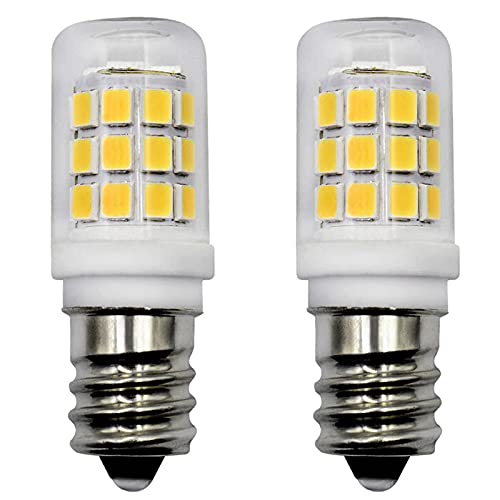
This E12 LED bulb is designed for fridge dispenser lighting with a compact tubular form. It delivers daylight 6000K illumination and uses about 2W, offering energy savings relative to incandescent replacements rated at higher wattage. It features good heat dissipation and a clear glass enclosure for high light transmission. Best for energy-conscious buyers seeking a bright, neutral white light. A caveat: confirm fixture compatibility with E12 bases before ordering to avoid fit issues.
10-Watt C7 Appliance Incandescent Light Bulb

The Feit Electric 10W C7 bulb provides a compact, dimmable incandescent option for fridge lighting. While not as energy-efficient as LED replacements, it remains useful where dimmable control is desired. Best for buyers who want a traditional lighting feel with moderate energy use. Limitation: incandescent bulbs consume more energy than LED equivalents over time, increasing operating costs.
GE 12V 6W Refrigerator Dispenser Light Bulb (Delixike)

This Delixike 12V 6W dispenser bulb is designed specifically for GE refrigerators, providing clear, front-dispense illumination. It’s well suited for owners needing a precise fit for GE dispenser modules. Best for GE models requiring 12V operation. Caution: verify the exact dispenser model compatibility to ensure correct installation.
GE WR02X12208 Replacement for GE Refrigerator Light (Greatshow)
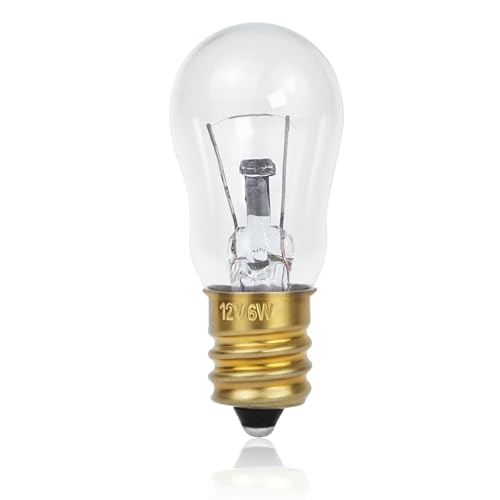
The Greatshow WR02X12208 replacement bulb offers a clear, durable 6W, 12V option for GE dispensers. It’s chosen for shoppers wanting a straightforward GE-compatible replacement with reliable performance. Best for GE doors that require a standard 12V dispenser light. Limitation: compatibility should be verified against exact model numbers to avoid mismatches.
Buying Guide: Key Considerations for Refrigerator Door Bulbs
- Base type and voltage: Confirm your fridge’s fixture base (E12, E26, etc.) and voltage (often 12V for dispenser lights) before purchasing.
- Brightness and color temperature: LED options provide bright, cool daylight (often 5000K–6000K). Incandescents offer warmer tones but higher energy use.
- Energy efficiency: LEDs typically save energy long-term; consider total operating costs, especially for door lighting that runs frequently.
- Fit and compatibility: Some bulbs are designed for specific brands (GE, GE dispenser modules) or model series. Check dimensions and length (for example, 1-7/8 inch vs. longer tubes).
- Durability and temperature tolerance: Fridge bulbs should withstand cold temperatures and frequent on/off cycling without failing prematurely.
- Installation notes: Some bulbs are non-dimmable; others are dimmable. Ensure your door light circuit supports dimming if required.
Frequently Asked Questions
- What base is most common for fridge door bulbs?
Common bases include E12 (candelabra) and special dispenser bulbs that fit GE or similar modules. Always measure or check the fixture label.
- Are LED fridge bulbs worth the upgrade?
Yes, LEDs offer lower energy use, longer life, and stable brightness, which is beneficial for door lighting that’s on frequently.
- Can I mix incandescent and LED bulbs in the same fridge?
Mixing can create uneven lighting and potential dimming if circuits share drivers. Use bulbs with similar brightness and color temperature where possible.
- How do I know if a bulb is compatible with my GE dispenser?
Check the model number and base type listed in the bulb’s specs, and compare it to your appliance’s manual or old bulb appearance.
- What should I do if a new bulb doesn’t light up after installation?
Power the fridge off and back on to reset the circuit. If it still fails, inspect the socket for corrosion or shorts, or verify the fixture’s compatibility.
This selection emphasizes clarity, safety, and compatibility for common refrigerator door lighting tasks. By matching base types, brightness, and voltage, you can improve visibility and efficiency in everyday kitchen use.