Best Outdoor Cooking Stove Wood for Camping and Backpacking
Find the right wood-burning stove for outdoor cooking with reliable construction, efficient burn, and portability. This guide targets campers, hikers, RV travelers, and emergency-prep kits who want durable, fuel-flexible stoves. The top choices below balance rugged build, heat output, and ease of use for solo travelers and small groups alike.
Summary of selected products
| Product | Best For | Key Benefit |
|---|---|---|
| Lineslife Wood Burning Camp Stove | Backcountry hikers | Large combustion chamber and adjustable pot supports |
| siohdagu Multifunction Wood Burning Stove with Chimney | Versatile outdoor cooks | Chimney design for efficient exhaust and adaptability |
| Japard Wood Burning Camp Stove | Portable campers | Foldable legs, carrying bag, side table for fuel access |
| GODSAX Rocket Stove | High-efficiency cooking | Chimney effect and low emissions, durable coating |
| Lineslife Camping Rocket Stove | Emergency and RV use | Fully insulated chamber, high fuel efficiency |
Lineslife Wood Burning Camp Stove — Portable Cast Iron

Best for: Backpackers who need a durable, heavy-duty twig stove with adjustable cookware support. This cast iron stove emphasizes longevity, rust resistance, and easy transport with a carrying case. It’s suitable for cooking bowls, pots, and light meals on multi-day trips. A potential limitation is its heavier weight compared to ultra-light models, which may impact long-distance trekking.
siohdagu Multifunction Wood Burning Stove with Chimney

Best for: Campers seeking versatility and improved combustion efficiency. Its chimney design helps direct exhaust and optimize flame behavior, while burner rings in varying sizes adapt to different cookware. Best for families or groups needing flexible pot support; may require more setup than simpler stoves.
Japard Wood Burning Camp Stove

Best for: Campers who prioritize portability with a side table for fuel and easy fire management. Its foldable legs and carrying bag make it a practical option for shifting campsites or quick setups. A minor note: weight is moderate, which may influence carry distance for long treks.
GODSAX Rocket Stove for Cooking

Best for: Users who want high flame power with low fuel consumption. The rocket stove design and heat-resistant coating support outdoor cooking with sticks and small biomass. It’s robust for frequent use but may require proper ash management and initial burn-in to minimize odors during first heating.
Lineslife Camping Rocket Stove — Backpacking and Emergency Use

Best for: Individuals or small groups seeking a compact, efficient wood-burning option with a carrying bag. The fully insulated vertical chamber promotes complete wood burning, increasing fuel efficiency. It may be less suitable for very large pots due to size constraints.
GVUHR Portable Wood Burning Stove
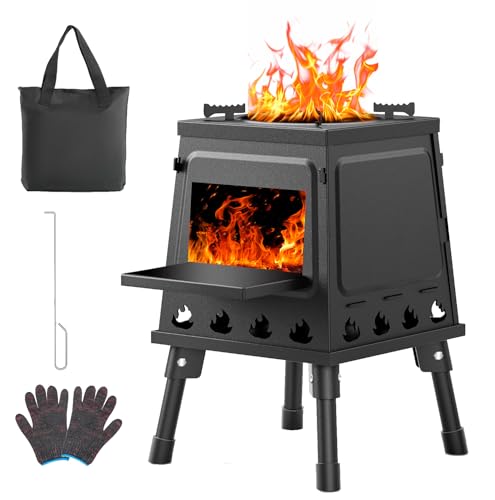
Best for: Ultralight backpackers needing a small, easily disassembled stove that fits in a backpack. Cast iron provides durability and even heat. Note that its small size limits the choice of cookware and meal scale, so it’s best for solo travelers or minimalist setups.
Onlyfire Cast Iron Rocket Stove
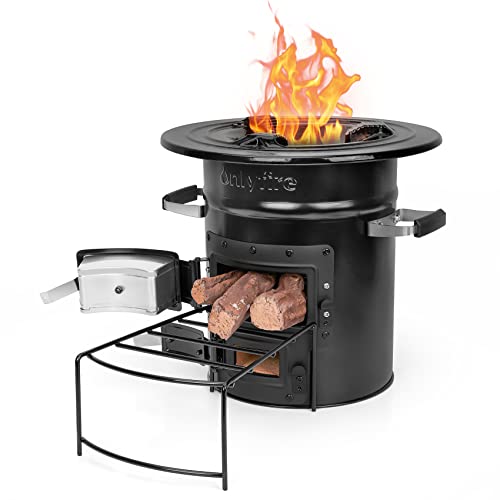
Best for: Off-grid cooks and survival enthusiasts who need high heat output and robust durability. The 0.5″ thick cast iron body, reinforced top, and three-prong top support allow a variety of cookware. Limitations include potential heavier weight and longer heat-up time for larger pots.
Buying Guide
What matters most when choosing a wood-burning stove for outdoor cooking?
- Heat output and efficiency: Look for stoves with insulated chambers, chimney design, or rocket-burn configurations to maximize fuel use and reduce smoke.
- Portability and weight: If you hike long distances, weigh options by backpack-friendly weight and foldable legs or carrying bags.
- Durability and materials: Cast iron and steel with protective coatings resist rust and high heat for repeated use in tough outdoor conditions.
- Pot compatibility: Adjustable pot supports or burner rings help fit various cookware sizes, from small pots to larger skillets.
- Setup and maintenance: Foldable legs, side tables, and ash management features simplify setup and cleanup in the field.
- Fuel flexibility: Most wood-burning stoves accept twigs, small branches, charcoal, or other biomass elements—consider what’s readily available at your camps.
Usage tips for better performance
- Arrange dry tinder and small fuel with kindling to start a consistent flame.
- Keep a small firebox clean to prevent clogging of air vents and optimize airflow.
- Place cookware securely on the supports to avoid tipping on uneven ground.
- Follow any included manufacturer guidelines for assembly and storage to extend stove life.
FAQ
- Which stove is best for solo backpacking?
Stoves with compact size, low weight, and easy packability, such as GVUHR or Lineslife rocket stoves, fit solo trips well.
- Are wood-burning stoves safe for tents?
Use in open areas away from flammable materials; never operate directly inside a tent. Ensure adequate ventilation and monitor during use.
- Can these stoves burn branches and biomass other than wood?
Many models accept twigs, leaves, and biomass, but check the specific fuel recommendations for each unit.
- Do portable stoves require maintenance?
Yes, inspect vents, hinges, and firebox regularly; clean ash buildup and protect metal surfaces from moisture when stored.
- Which stove offers the best heat efficiency?
Rocket stove designs with insulated combustion chambers generally achieve higher fuel efficiency and lower emissions.