Best Kitchen Tools: Food Processors for Every Task
Looking for a reliable food processor to dice, chop, puree, and blend? This guide picks five versatile models that suit different kitchen needs—from compact heaps for small apartments to powerful full-size options for batch cooking. The top picks are ideal for everyday prep, herbs and cheese, emulsified dressings, and more. Here’s who each product is best for and why it stands out.
| Product | Capacity | Motor Power | Best For |
|---|---|---|---|
| Hamilton Beach 72850 3-Cup Chopper | 3 cups | 350W | Small households, quick chopping tasks |
| Hamilton Beach 70730 10-Cup Processor | 10 cups | Low to mid power | Batch prep, slicing and shredding |
| Cuisinart Mini-Prep Plus DLC-2ABC | 24-ounce bowl | 250W | Herbs, small batches, hard cheese |
| GANIZA Dual-Bowl 8+8 Cup | Two bowls, 8 cups each | 450W copper motor | Meat, nuts, diverse chopping tasks |
| Ninja BR601AMZ All-in-One | Full-size pitcher + 8 cup bowl | 1200W | Large batches, smoothies, dough, salsa |
Hamilton Beach Electric 3-Cup Chopper (72850) — Best Compact Chopper
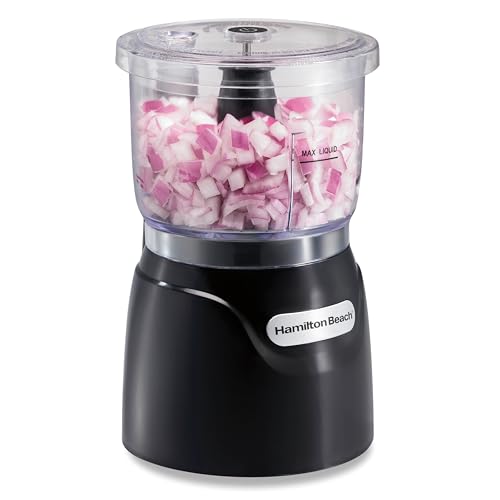
This compact chopper is ideal for small kitchens and quick weekday tasks. Its stack & press design makes assembly effortless—no twist-locks. The 3-cup capacity suits everyday chopping, pureeing, and emulsifying small batches.
Best for: individuals or couples who need a simple device for onions, nuts, herbs, or dressings without bulky cleanup.
Why chosen: It emphasizes ease of use and fast results in a space-saving footprint, with stainless steel blades for reliable performance.
Caution: The 3-cup bowl can require smaller ingredient sizes; large food pieces may need pre-cutting to ensure even processing.
Hamilton Beach 70730 Food Processor — Best for Slicing and Bulk Processing

This 10-cup processor is built for mid-sized kitchens and batch prep. It features a sealed bowl for bigger jobs and includes a bowl scraper to minimize clean-up time by scraping the sides during processing.
Best for: households that regularly prepare sauces, dips, shredded vegetables, and larger batches for meal prep.
Why chosen: The larger bowl and practical cleaning aid help streamline meal prep without sacrificing performance.
Limitation: It may require more countertop space and has more parts to manage than smaller models.
Cuisinart Mini-Prep Plus DLC-2ABC — Best for Small Batches

With a 24-ounce work bowl and a reversible stainless steel blade, this unit excels at chopping herbs, vegetables, and hard cheese in small quantities. The control layout is straightforward, featuring a push-button interface and an auto-reversing blade for efficient results.
Best for: cooks who frequently shave herbs, grate cheese, or prep small quantities for recipes, sauces, or garnishes.
Why chosen: It combines compact size with efficient processing and easy cleanup for quick tasks.
Limitation: It isn’t ideal for grinding beans or handling large volumes in one go.
GANIZA Dual-Bowl 2×8 Cup — Best for Versatility
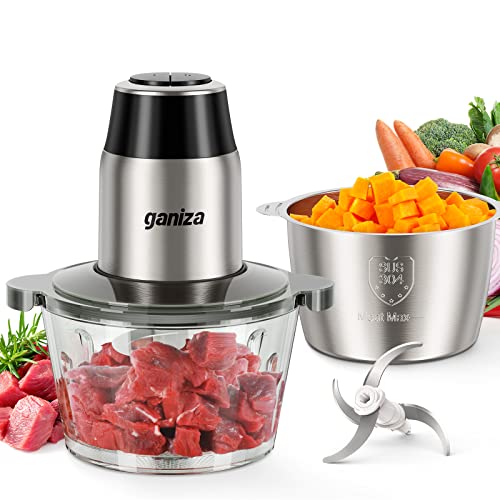
This dual-bowl model includes an 8-cup glass and an 8-cup stainless bowl, with a full-copper motor for durability. It ships with two blade sets, enabling separate tasks like meat grinding and fruit chopping without cross-contamination. It also features overheating protection for safe operation.
Best for: serious home cooks who want a flexible tool for meat, nuts, vegetables, and multi-task prep in one setup.
Why chosen: The two bowls and blade sets expand capabilities beyond single-bowl models, increasing task separation and throughput.
Limitation: The dual-bowl design adds complexity and footprint, which may not fit compact kitchens.
Ninja BR601AMZ All-in-One — Best for Large Batches

The Ninja BR601AMZ blends the functions of a blender and a food processor in one powerhouse system. It includes a full-size 72-ounce pitcher and an 8-cup bowl, with a 1500-watt base designed for crushing ice, smoothies, sauces, and dough. Five preset programs aid in consistent results.
Best for: households that regularly make large smoothies, frozen drinks, dough, and sauces in bulk, or need a versatile system for entertaining.
Why chosen: Its high-power motor and preset options deliver professional-like results for diverse recipes.
Limitation: It is larger and heavier, requiring ample counter space and more storage room.
Buying Guide: How to Choose Your Food Processor
What size do you truly need?
Blade types and safety features
Look for stainless steel blades for durability and an auto-reversing SmartPower blade for consistent results. Safety features like locking lids, non-slip bases, and overheating protection help prevent accidents and extend motor life.
Ease of cleaning
Dishwasher-safe bowls and lids save time. Removable blades should be handled carefully during cleaning. A design with fewer, larger pieces generally cleans faster and stores more easily.
Power and motor considerations
Power ranges from 250W to 1500W. Higher wattage can process tougher ingredients like nuts, hard cheeses, and dough more efficiently, but may not always be necessary for everyday tasks.
Best use-case scenarios
Compact choppers excel at quick vegetables, herbs, and dressings. Medium-capacity processors handle sauces, shredding, and larger chopping jobs. Multi-bowl or all-in-one models suit people who need to perform several tasks in one station.
Maintenance tips
Dry-run tests with soft foods help you learn the blade’s behavior. Clean blades separately from the base to avoid moisture damage. Store with lids lightly closed to prevent dust collection.
FAQ
- Q: Do I need a full-size processor for making dough?
- A: Most full-size models handle dough; check the specific model’s dough capability to ensure it matches your recipes.
- Q: Can I blend smoothies and chop vegetables with the same device?
- A: Yes, many all-in-one systems combine blending and chopping features, but expect the blades and containers to be optimized for different tasks.
- Q: Is cleaning easier with a sealed bowl?
- A: Sealed bowls reduce splatter and leaks, but they may require more effort to disassemble for cleaning.
- Q: Are higher watts always better?
A: Not necessarily. Efficiency, blade design, and motor build matter as much as wattage for most tasks.