Best Non-Computerized Sewing Machines for Home Crafters
If you’re looking for reliable, mechanically simple sewing machines that don’t rely on computer features, you’re in the right place. This guide highlights strong, non-computerized options ideal for beginners and seasoned hobbyists who want straightforward stitching, durability, and easy maintenance. The top picks below are best for cloth repair, home decor, and basic garment projects without digital distractions. Read on to find machines that emphasize power, simplicity, and value.
Product Overview
| Product | Best For | Why It Stands Out |
|---|---|---|
| Brother ST371HD Sewing Machine | Heavy-duty projects | Strong build, 37 stitches, automatic needle threader, drop-in bobbin |
| SINGER Heavy Duty 4411 | Denim and thick fabrics | Heavy metal frame, high speed, 69 stitch options including 11 basic stitches |
| SINGER Heavy Duty 4432 | All-purpose with thick fabrics | 1100 stitches/min, 32 built-in stitches, clear bobbin cover |
| SINGER Heavy Duty 4411 Pink | Colorful option with power | 60% stronger motor, 11 stitches, vibrant design |
| Brother GX37 | Basic, dependable stitching | 37 stitches, auto-size buttonhole, 6 feet included |
Brother ST371HD Sewing Machine
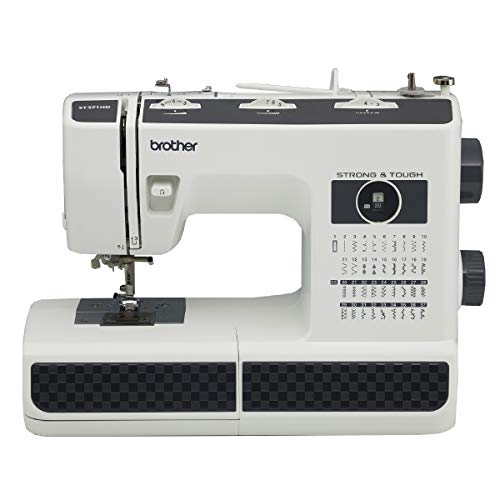
Best for: Home sewers who want a robust, no-nonsense machine with many built-in stitches for varied projects. This model suits repair work, home decor, and garment projects that require reliable stitched seams without complex programming. It’s a strong choice for beginners and hobbyists who value durability and ease of use.
Key features include 37 built-in stitches (including auto-size buttonholes), an automatic needle threader, and a jam-resistant top drop-in bobbin. Six included feet expand versatility for zippers, denim, hems, and more. The combination of heavy-duty construction and practical features makes it a standout for frequent sewers who prefer mechanical control over digital interfaces.
Caution: While powerful, it may have fewer advanced decorative options than computerized machines, which is intentional for users prioritizing straightforward operation over high-tech features.
SINGER Heavy Duty 4411

Best for: Sewers who regularly tackle heavy fabrics and long seams. The 4411’s metal frame and high-speed motor are built to handle denim, canvas, and leather with consistent performance. It’s a reliable workhorse for ongoing projects and alterations.
Why chosen: It offers up to 1,100 stitches per minute and 69 stitch applications, giving plenty of options without complexity. The top drop-in bobbin with a clear cover helps monitor thread supply, aiding efficiency on thick fabrics. This machine balances power and practicality for everyday heavy-duty use.
Limitation: While powerful, it remains a straightforward machine without modern computerized conveniences or large automation features.
SINGER Heavy Duty 4432

Best for: Sewers needing a broad range of stitch options with a strong motor for multi-layer fabrics. The 32 built-in stitches covering basic, decorative, and stretch options provide versatile solutions for home projects and creative projects alike.
Why chosen: The enhanced piercing power helps with thick layers, while the included all-in-one accessory kit supports varied tasks from zippers to quilting basics. It’s a solid, capable choice for mixed-material sewing.
Limitation: While versatile, it lacks some modern conveniences found on newer computerized models and decorative embroidery features.
SINGER Heavy Duty 4411 Pink

Best for: Creative sewers who want power with a dash of color. The Pink edition maintains the 60% stronger motor and 11 built-in stitches, suitable for variety while adding a distinctive look to your setup.
Why chosen: It provides robust performance for thicker fabrics and large projects. The color is an aesthetic perk that can help distinguish your machine in a shared workspace.
Caution: Design preference should not replace performance needs; ensure the non-color features meet your project requirements before choosing for color alone.
Brother GX37
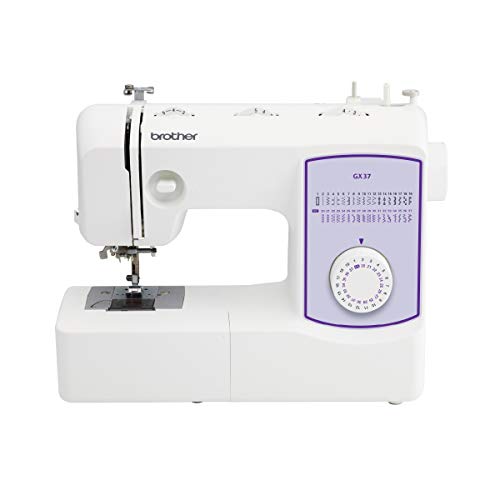
Best for: Everyday crafters seeking a dependable, no-frills machine with solid stitch options. The GX37 is well-suited to beginners and hobbyists who want a straightforward setup without gimmicks.
Why chosen: It offers 37 stitches, an auto-size buttonhole, automatic needle threader, and a drop-in top bobbin, making it a practical all-around option for general sewing tasks. Six included feet add versatility for basic projects.
Limitation: It may lack some of the higher-end features found in more expensive machines, but it delivers reliable mechanical performance at a lower cost point.
Buying Guide
What matters most for non-computerized machines?
Durability and power are primary concerns for mechanical models. Look for a metal frame, strong motor, and a diverse but manageable set of built-in stitches. Ease of maintenance, such as an accessible bobbin system and straightforward threading, should guide your choice.
How to choose based on fabric type
Denim, canvas, and leather benefit from higher torque and a sturdy frame. Machines labeled “heavy-duty” or with 1000+ stitches per minute are typically better suited for thick fabrics. Lighter fabrics need less motor power but still require reliable feed dogs and stitch consistency.
Should you prioritize stitch variety or speed?
For most home projects, a balance works best. A machine with 30–70 stitches covers utilities, decorative options, and basic quilting needs. Speed matters for larger projects; a top-speed range around 1,000–1,100 stitches per minute is common in heavy-duty models.
Maintenance and usability tips
- Keep the bobbin area clean and free of lint to prevent jams.
- Use appropriate needles for fabric thickness to avoid skipped stitches.
- Honor wiring and foot pedal care; store in a dry place to prevent rust.
- Follow manual guidance for threading to maintain tension and stitch quality.
What about price and value?
Non-computerized machines with metal frames and strong motors tend to offer the best long-term value. While computerized models bring features, mechanical machines deliver reliable sewing at a lower recurring cost and simpler repair paths.
FAQ
- What does non-computerized mean for sewing? It means the machine operates without digital screens, automatic embroidery features, or on-machine design software. Stitches and functions are controlled via dials and foot pedals.
- Are heavy-duty machines harder to use? Not necessarily. They emphasize durability and power, with straightforward adjustments. They require basic maintenance and proper threading like any sewing machine.
- Can these machines handle thick fabrics? Yes, models labeled heavy-duty are designed for thick materials such as denim, canvas, or leather, especially with a sturdy frame and higher torque.
- Is more stitches always better? More stitches provide versatility, but you typically need only a practical range for most home projects. Choose based on the types of projects you plan to do.
- Do non-computerized machines offer good repair availability? Yes, many parts and service options exist for mechanical models, often easier to repair without relying on software or specialty components.