Best Solar Powered Food Dehydrator Options for Off-Grid Drying
Answer: If you want a solar powered option, start with products designed to capture sunlight and convert it into efficient drying. The best picks include true solar dehydrators for off-grid use, plus versatile dehydrators that pair well with outdoor setups. This guide helps you choose the right unit by considering capacity, materials, and drying speed. Ideal buyers include campers, preppers, and families seeking preservative-free snacks. Below is a quick buying table of the five most relevant picks.
| Product | Why It’s a Top Pick | Best For |
|---|---|---|
| JUA Technologies Solar Food Dehydrator (Dehytray) | Made in USA; BPA-free, includes hygrometer; sun-driven drying speed | Off-grid households, health-conscious families |
| SolCook All Season Solar Cooker | Solar-powered cooking with drying capability; compact and portable | Campers and emergency kits |
| Cosori Food Dehydrator (6 Trays) with 600W | Large drying space; fast, even drying; quiet operation | Larger batches at home |
| Magic Mill Pro Food Dehydrator Machine (Stainless) | Durable stainless steel; 600W-style performance; precise temperature | Serious home prepper and jerky makers |
| Elite Gourmet EFD319 (5 Trays) | Compact, affordable, adjustable temp | Beginner dehydrating and small spaces |
JUA Technologies Solar Food Dehydrator
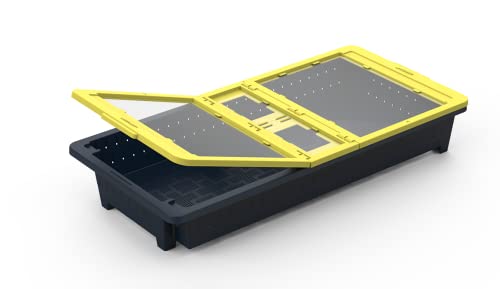
The Dehytray unit is a USA-made solar dehydrator that includes a hygrometer and a food scraper. It uses 100% BPA-free food-grade materials and is designed for sun-based drying, making it a strong fit for off-grid households that prioritize nutrient retention. Best for buyers seeking a domestic solar option with simple, direct sun drying. Limitation: performance depends on sunlight quality and duration; add-on hygrometers help monitor conditions but do not offset inconsistent sun.
Best for: Families prioritizing health and USA-made hardware; off-grid or sunny climates where natural sun drying is reliable.
SolCook All Season Solar Cooker
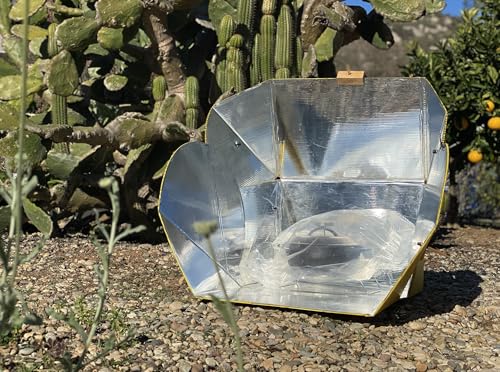
The SolCook Solar Cooker doubles as a solar cooker and a dehydrator option for outdoor use. It leverages sun to cook and dry foods, reducing fuel needs and enabling cooking without fire or electricity. Best for campers, hikers, and emergency kits where energy independence matters. Caution: slower dehydration compared to dedicated electric dehydrators; plan for extended sun exposure and batch timing.
Best for: Outdoor enthusiasts who want a compact, sun-powered cooking and drying solution.
Cosori Food Dehydrator, 6 Trays

Cosori’s 6-tray model offers a large drying area (6.5 ft²) with a 600 W motor and upgraded airflow for fast, even drying. It’s popular for jerky, herbs, fruit, and more, with quieter operation thanks to a brushless motor. Best for households that need higher capacity and faster turnaround. Caution: higher power usage compared to compact units; ensure space for venting and heat management.
Best for: Families wanting bulk drying and faster results in a home kitchen.
Cosori Food Dehydrator for Jerky (5 Trays)
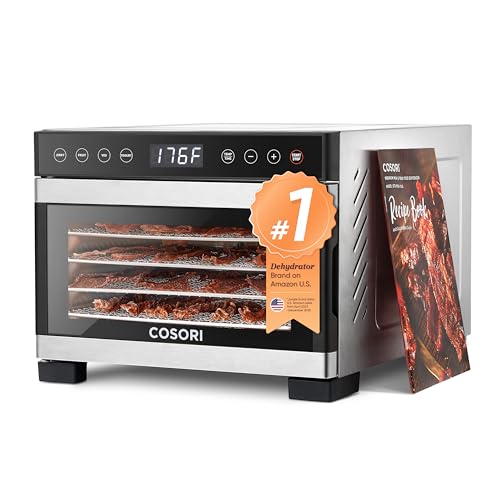
This Cosori model features 5 trays, 176°F maximum, and four presets (jerky, fruit, vegetables, yogurt). It offers precise temp control and solid airflow, making it a strong pick for jerky and snack makers. Best for users who want preset modes for quick drying. Limitation: not solar-powered; relies on household electricity.
Best for: Jerky lovers and snack-makers who want presets and predictable results in a standard kitchen.
FOHERE Food Dehydrator

FOHERE offers a 400 W dehydrator with 5 BPA-free trays and a 95–158°F range. It emphasizes even drying, quiet operation, and easy digital controls. Best for beginners or kitchens needing a compact, straightforward dehydrator. Caution: electric-powered; efficiency depends on electrical supply and ambient conditions.
Best for: New users and small households seeking an affordable, easy-to-use electric dehydrator.
Elite Gourmet EFD319
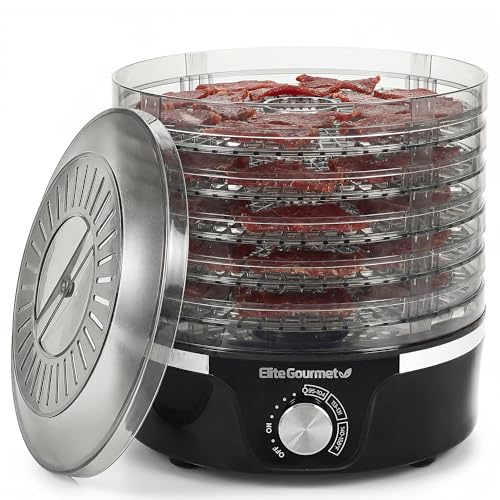
Elite Gourmet’s EFD319 uses five BPA-free trays with adjustable temperature control from 95°F to 158°F. It provides consistent drying with horizontal airflow and includes transparent trays for easy monitoring. Best for small to medium batches and budget-conscious buyers. Limitation: basic features compared to premium models.
Best for: Budget-conscious buyers who want reliable, straightforward dehydration for everyday foods.
Buying Guide
What should I consider when choosing a solar powered dehydrator?
Sun exposure: True solar dehydrators rely on sunlight. Locations with long, bright days maximize effectiveness. If you’re off-grid, pairing with a solar cooker or sun tent can help maintain heat.
Capacity and trays: More trays mean more concurrent drying. Consider stackable designs if space is limited. Ensure trays are food-grade and easy to clean.
Solar vs. electric dehydrators: which is better?
Solar dehydrators save energy and are ideal for outdoor use and off-grid homes. Electric dehydrators offer consistent performance regardless of weather but require an electrical supply. For flexible camping or emergency prep, a solar option paired with a supplemental electric unit can be ideal.
Temperature control and drying speed
Look for precise temperature control. Lower ranges (95–120°F) preserve nutrients in herbs and delicate fruits, while higher ranges (up to 176°F or more) are used for jerky and tougher foods. Consistent airflow improves even drying across all trays.
Materials and durability
Stainless steel trays and BPA-free plastics promote durability and food safety. Avoid models with fragile plastics around heat zones. For solar units, ensure weather-resistant housing and reliable seals against dust and moisture.
Portability and setup considerations
Campers and hikers benefit from foldable or lightweight designs. Consider weight, foldability, and packing size. For solar options, assess how you’ll position the unit to maximize sun exposure at different times of day.
What accessories matter?
Hygrometers help monitor humidity inside the drying chamber. Mesh screens and fruit leather sheets expand drying possibilities. A digital timer aids precise dehydration, especially for longer batches.
Frequently Asked Questions
- Can a solar dehydrator dry meat safely? Yes, if the temperature reaches safe levels for jerky, typically around 160–176°F, and adheres to proper drying times.
- Is a solar dehydrator suitable for indoors? Solar dehydrators are best used outdoors where sunlight is available; indoor use often requires artificial heat and may reduce efficiency.
- Do I need extra equipment for solar drying? A sun shade, reflective surface, or portable solar cooker can improve heating efficiency in variable weather.
- Which material trays are safest? Food-grade stainless steel or BPA-free plastic trays are recommended for safety and durability.
- How many trays should I start with? Start with 5–6 trays to gauge capacity and batch size; expand as you confirm your drying needs.
- Are these dehydrators energy-efficient? Solar units save energy when sun is available; electric models vary by wattage but many offer efficient, low-watt operation.