Best Indoor Pellet Stoves for Efficient Home Heating and Cooking
If you’re shopping for an indoor pellet stove that combines heating with cooking options, these top picks are designed to deliver reliable warmth and practical cooking versatility. The best fits are compact, easy to operate, and suitable for mid-size spaces. This guide highlights five pellet stove models that balance power, efficiency, and convenience for American homes. It also notes who each stove is best for and why it stands out in the current market.
Buyer snapshot table (quick view):
- Cleveland Iron Works Medium Pellet Stove — Best for modern homes with smart tech needs.
- Castle Serenity Pellet Stove — Best for flexible operation and easy maintenance.
- US Stove 3,000 Sq. Ft. Pellet Stove — Best for larger spaces and longer burn times.
- Trailblazer Cookstove — Best for off-grid living with a built-in oven.
- Green Stove Pellet Stove With Oven — Best for integrated cooking in a pellet stove.
Cleveland Iron Works Medium Pellet Stove

Best for: Homeowners seeking smart-home style heating in a mid-size living area. Why selected: This stove offers built-in WiFi-ready features and heats a broad range of space (up to 2200 sq ft). The 60 lb hopper supports longer burn times between refills, making it a practical option for sustained comfort. The design emphasizes modern control alongside efficient heat delivery.
Limitations to consider: The connected features may require a compatible app setup; ensure your home network supports smart integrations.
Castle Serenity Pellet Stove
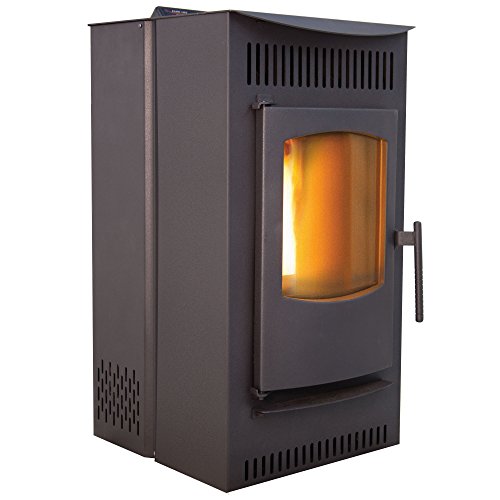
Best for: Homeowners who want simple operation with flexible scheduling. Why selected: The Castle Serenity stove emphasizes easy cleaning and multiple operating modes (Manual, Thermostat, Weekly, Eco). Eco mode helps manage energy use by cycling on and off to maintain target temperatures, which is helpful for consistent comfort with lower ongoing energy use.
Limitations to consider: No mention of WiFi connectivity; advanced smart features are not highlighted, so it relies on manual or programmed modes for control.
US Stove 3,000 Sq. Ft. Pellet Stove

Best for: Larger living spaces needing substantial heat output. Why selected: With a capacity to heat up to 3,000 sq ft and a sizable 170 lb hopper, this stove is designed for longer burn times and higher heat delivery. It offers clean heat and reliable operation for bigger homes or open-concept layouts.
Limitations to consider: Higher hopper capacity means a larger footprint and potentially more maintenance for auger and feeding systems over time.
Trailblazer Cookstove — Wood Fired with Oven

Best for: Off-grid living or emergencies where cooking and heating are needed from a compact, durable stove. Why selected: The Trailblazer Cookstove combines solid-steel construction with real cooking versatility, including an oven and removable cooktop rings for baking, boiling, and frying. It is designed for rugged, remote use with long-term reliability.
Limitations to consider: This stove uses wood as fuel rather than pellets, so you’ll manage wood loading and ash differently than a pellet unit.
GREEN STOVE Pellet Stove With Oven

Best for: Home cooks who want integrated cooking features in a pellet stove. Why selected: This model includes an oven and a stainless steel build for outdoor- and home-use versatility, combining pellet heat with cooking capability. It’s a strong option for homes that value kitchen-like cooking functionality in a heating appliance.
Limitations to consider: Availability and exact feature sets can vary; verify oven capacity and venting compatibility for your space before purchase.
Buying Guide: How to Choose the Right Indoor Pellet Stove
What space will you heat? Start by measuring your room size and selecting a pellet stove with a heat output suitable for that area. Look for BTU ratings and consider insulation quality, ceiling height, and the presence of open floor plans that may demand higher heat delivery.
What about cooking needs? If you want cooking options, choose models with integrated ovens or cooktop features. Verify oven size, heat distribution, and whether the stove supports direct cooking on a grate or accessory cookware.
How important is smart control? Some stoves offer built-in WiFi or thermostat management for remote operation. If automation and energy management matter, prioritize models with smart features and compatibility with home networks.
Fuel type and maintenance: Pellet stoves provide consistent heat with pellets, while wood-burning options require logs or chips. Consider ease of loading, cleaning, ash disposal, and hopper capacity for pellets. For outdoor-use or emergency scenarios, assess durability, heat range, and safety features like ash boxes or spark arrestors.
Installation and venting: Ensure your space supports the required venting system, including chimney or vent pipes. Check clearance requirements, air quality, and local code compliance. Professional installation may be advisable for complex setups.
Budget and long-term costs: Consider upfront price, ongoing fuel costs, and maintenance. Higher-efficiency models may reduce operating costs over time, even if the initial price is higher.
Important buyer considerations by use case
- Small apartment or compact room: Look for compact pellet stoves with efficient heat exchange and straightforward controls.
- Large living area: Prioritize higher BTU output and larger hopper capacity for longer burn times.
- Off-grid or backup heating: A stove with robust construction, simple fuel options, and an oven or cooking capability provides versatile functionality.
- Integrated cooking needs: Opt for models with ovens or specialized cooking surfaces; verify dimensions and heat distribution.
Quick comparison at a glance
| Model | Best For | Key Benefit | Limitations |
|---|---|---|---|
| Cleveland Iron Works Medium Pellet Stove | Smart-home oriented homes | Built-in WiFi-ready controls, 60 lb hopper | Smart features may require setup |
| Castle Serenity Pellet Stove | Ease of use and scheduling | Flexible modes: Manual, Thermostat, Weekly, Eco | No explicit smart connectivity highlighted |
| US Stove 3,000 Sq. Ft. Pellet Stove | Large spaces | High heat output, long burn potential | Bulkier footprint |
| Trailblazer Cookstove | Off-grid cooking and heating | Solid steel, oven and direct cooking options | Wood-fired rather than pellet |
| GREEN STOVE Pellet Stove With Oven | Integrated pellet cooking | Oven included, stainless steel | Oven specs vary by model |
FAQ
- What is the main difference between pellet stoves and wood-burning stoves for indoor use?
Pellet stoves burn uniform pellets for clean, controllable heat with automatic feeding options. Wood-burning stoves use logs or chips and require manual fueling and ash management. Pellet stoves often provide easier temperature control and longer, steadier burn times. - Do pellet stoves require a chimney or venting?
Yes. Most pellet stoves require proper venting to exhaust combustion byproducts. Installation should follow local codes and safety guidelines for indoor air quality. - Are pellet stoves energy-efficient?
Many models are designed for efficient heat output with automatic feeders and thermostats. Look for higher efficiency ratings, proper insulation, and proper sizing for your space. - Is smart control necessary?
Smart controls can simplify operation and help optimize energy use, but they are not essential. Choose based on your preference for remote operation and integration with other smart devices. - Can I use an oven-equipped pellet stove for everyday cooking?
Yes, some models include ovens or cooktop surfaces. Verify the oven dimensions, heat distribution, and clearance for safe food preparation in your kitchen or living area. - What should I consider before buying?
Measure space, determine heating needs, decide on fuel type, check venting requirements, and assess whether you want integrated cooking features or smart controls. Consider maintenance and long-term operating costs as well.