Best Ceiling Kitchen Extractor Fans for Efficient Air Removal
The top choice for a ceiling kitchen extractor fan is the one that balances high airflow, durable build, and energy efficiency for your space. This guide targets buyers seeking strong performance for kitchens, bathrooms, garages, and other indoor areas. Each option below is selected for reliability, ease of installation, and clear results in real-world use. The table summarizes key specs to help you compare at a glance.
| Product | CFM | Key Strength |
|---|---|---|
| HG Power 8 Inch Kitchen Exhaust Fan | 576 CFM | High airflow; metal construction; energy efficient |
| Amico 8 Inch Kitchen Exhaust Fan | 686 CFM | High airflow; smart remote; energy efficient motor |
| Broan-NuTone 505 Exhaust Fan | 200 CFM | Versatile, easy installation |
| Broan-Nutone L400 High Capacity Ventilator | 434 CFM | Heavy-duty, customizable ducting |
| LTNIASL 505 High Airflow Bath/Kitchen Fan | 200 CFM | Rust-resistant, efficient design |
HG Power 8 Inch Kitchen Exhaust Fan

Best for high-traffic kitchens and spaces needing strong air exchange. This fan uses a robust metal construction and a large 8-inch blade setup to move substantial air—576 CFM. Energy use is restrained at 53.5W, making it a compelling choice for continuous operation in home workshops or commercial kitchens. The backdraft damper helps prevent backflow when the unit isn’t running, keeping smells and humidity in check. Suitable for buyers prioritizing durability and steady performance in medium-to-large spaces.
- Best for large kitchens or spaces with persistent heat and moisture.
- Better for those prioritizing metal construction and longevity over silent operation.
Limitations: While powerful, this model may be noisier than smaller, quieter units; consider placement and potential sound dampening if noise is a concern.
Amico 8 Inch Kitchen Exhaust Fan

Best for heavy-duty cooking environments where rapid removal of heat, moisture, and cooking odors is needed. The Amico unit delivers 686 CFM via a high-speed 2873 RPM motor and uses a 29W EC motor for energy efficiency. A smart remote with 9 speeds and a timer enhances control, making it well-suited for busy kitchens, garages, or greenhouses where precise ventilation is beneficial. The 50dB maximum noise rating keeps operation from being disruptive in larger spaces.
- Choose this if you want maximum airflow with modern motor efficiency.
- Better for homes that value remote control and adjustable speeds.
Limitation: The fan is powerful, so testing the noise level in your space is advisable before final installation to ensure it meets comfort needs.
Broan-NuTone 505 Exhaust Fan
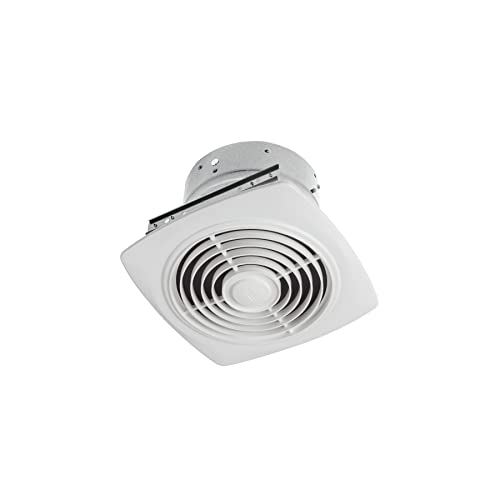
Best for versatile installations in ceilings or between joists where simple, straightforward exhaust is required. The 8-inch, 200 CFM model balances performance with ease of installation, aided by galvanized steel construction. It’s suitable for spaces where modest airflow is sufficient but reliable, long-term operation is essential. The unit fits well with standard building plans and can complement existing IAQ systems or simple duct runs.
- Best for mid-sized kitchens or utility rooms needing straightforward exhaust.
- Better when compatibility with existing ductwork and easy mounting are priorities.
Limitation: At 200 CFM, this model may not meet very high airflow needs in larger kitchens or spaces with heavy smoke from professional cooking.
Broan-Nutone L400 High Capacity Ventilator

Best for commercial-style ventilation needs or larger home spaces requiring robust airflow. The L400 provides 434 CFM with two impact-resistant centrifugal blower wheels, delivering effective exhaust with relatively low noise at 2.3 Sones. It supports flexible duct routing (horizontal, vertical, or inline) with a separate adapter, offering installation versatility. This model suits garages, workshops, or larger kitchens where reliable, high-capacity venting is important.
- Choose this if you need a heavy-duty ventilator with flexible ducting options.
- Better for installations requiring higher capacity than standard residential fans but not full commercial range.
Limitation: The 434 CFM may still fall short for exceptionally large, smoke-dense kitchens compared with higher-end residential units.
LTNIASL 505 High Airflow 8 Inch Exhaust Fan
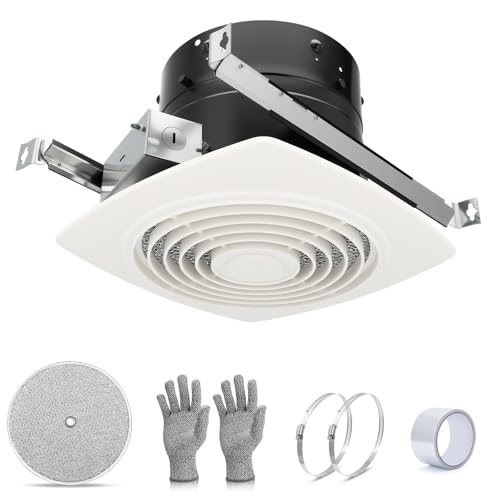
Best for residential kitchens and bathrooms where corrosion resistance and practical design matter. The LTNIASL unit is an 8-inch fan delivering 200 CFM with rust-resistant features and an electrophoretic-coated aluminum duct surface. It emphasizes energy efficiency and a durable grille with a grease filter integrated. This model fits standard openings and aims to balance solid airflow with long-term maintenance ease in steamy or oily spaces.
- Pick this if you want a balance of durability, efficiency, and straightforward installation.
- Avoid this if you need very high airflow in a large kitchen space.
Buying Guide: How to Choose the Right Ceiling Kitchen Extractor Fan
What space size and airflow do I need?
Higher CFMs move more air and reduce cooking smoke faster, but they can be louder and more expensive. For small bathrooms or compact kitchens, 100–200 CFM may suffice. For larger kitchens or garages, aim for 400–686 CFM or more, depending on layout and ceiling height. Consider the duct length and any backdraft dampers when evaluating performance.
What about energy efficiency?
Fans with EC motors or energy-efficient DC motors typically use less electricity for the same airflow. Models like Amico highlight 29W EC motors to save energy without sacrificing performance. Compare wattage at similar CFM to estimate annual operating costs.
Durability and installation ease
Metal housings and robust mounting options contribute to long-term reliability. If you’re mounting in a retrofit or between joists, look for units with standard 8-inch openings and mounting brackets. Duct routing flexibility (horizontal, vertical, inline) can simplify installation in complex spaces.
Noise and comfort
Noise levels (sones or decibels) affect comfort, especially in open-plan homes. Higher airflow units can be louder; some models balance performance with quieter operation. If comfort is a priority, start with a mid-range CFM paired with a low-noise design or consider a unit with variable speeds.
Compatibility and accessories
Verify duct size and existing ductwork before buying. Some fans require backdraft dampers, timer functions, or remote controls. If you want smart features, select models offering remotes or compatibility with IAQ systems. Consider future upgrades like smart controls or timed shutoff features.
Maintenance considerations
Look for easy access to filters or grease trays. Corrosion-resistant components are beneficial in steamy kitchens and near oil-rich environments. Regular cleaning extends motor life and maintains airflow efficiency.
FAQ
- What is the typical lifespan of a ceiling exhaust fan?
Most residential-grade fans are designed for many years of use with proper maintenance, typically five to ten years, depending on build quality and environment.
- Do I need professional installation for ceiling fans?
Many installations can be DIY with standard wiring and mounting hardware, but complex duct runs or electrical modifications may require a licensed technician.
- How do I reduce noise from a high-CFM fan?
Choose a model with a lower starting noise level, use vibration-damping mounting, keep duct runs as straight and short as possible, and consider adding a sound hood or damper where appropriate.
- Is it safe to run a kitchen exhaust fan in a closed space?
Yes, but ensure proper venting to the outdoors and avoid creating negative pressure that could affect other operations. Use dampers and appropriate seals to prevent backdrafts.
- How do I know which CFM fits my kitchen size?
As a rule, smaller rooms use lower CFM; larger kitchens should aim higher. A common guideline is 1 CFM per square foot for kitchens with moderate cooking and more for heavy cooking, but always factor ceiling height, duct length, and number of windows or doors.