Best Commercial Kitchen Exhaust Canopy Solutions for 2026
The best commercial kitchen exhaust canopy options combine high airflow, durable construction, and quiet operation. This guide highlights five canopies and related exhaust fans ideal for restaurant kitchens, food trucks, and other commercial setups. We focus on models with strong airflow, weatherproofing, and robust materials. This overview helps buyers choose the right canopy system for their space, whether indoors, outdoors, or on a food truck. A quick comparison table of the top picks is provided below for fast reference.
| Product | Airflow (CFM) | Power | ||
|---|---|---|---|---|
| VEVOR 2109 CFM | 2109 | 0.75 HP | Outdoor setups, food trucks with harsh weather | High suction with weatherproof IP54 housing |
| VEVOR 1616 CFM | 1616 | 0.5 HP | Medium-duty outdoor or warehouse prep areas | Balanced airflow and durable aluminum alloy |
| VEVOR 612 CFM | 612 | 0.25 HP | Smaller kitchens or back-of-house prep zones | Compact, quiet operation with solid performance |
| FICBXRA 1900–2600 CFM (0.5 HP) | 1900–2600 | 0.5 HP | High-traffic restaurant canopies | High-speed, direct-drive, grease-rated exhaust |
| FICBXRA 1900–2600 CFM (0.5 HP) | 1900–2600 | 0.5 HP | Large canopy or multiple-station kitchens | Same high-capacity performance for larger setups |
Note to buyers: select models that match your canopy width, ducting, and local codes. For outdoor use, look for IP-rated housings and corrosion-resistant materials. Consider noise level in open kitchens and the required maintenance access for grease management.
VEVOR Commercial Kitchen Exhaust Fan, 2109 CFM
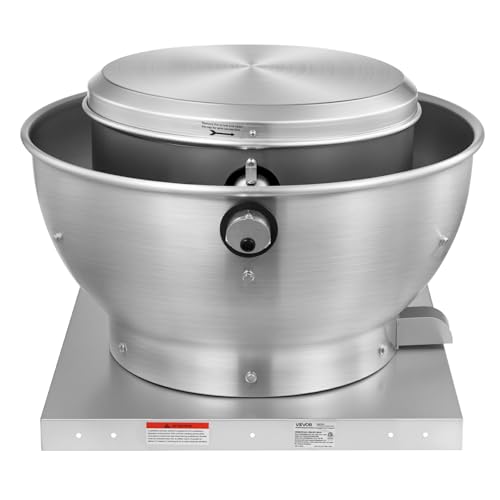
Best for outdoor food trucks and warehouse environments requiring formidable airflow. The 2109 CFM unit uses a 0.75 HP, 560W direct-drive motor to move smoke and heat efficiently. It features IP54 weatherproofing and corrosion-resistant aluminum alloy construction, which aids longevity in harsh outdoor conditions. The noise level remains low enough for practical use in busy kitchens. This model is ideal for operators who need robust performance with reliable outdoor endurance.
Best for: Outdoor kitchens, food trucks, and industrial-style canopies where weather exposure is a concern. Why selected: It combines high airflow, weather resistance, and quiet operation in a single package. Caution: Direct-drive motors can run hotter under extreme continuous use; ensure adequate ventilation ducting and service access.
VEVOR Commercial Kitchen Exhaust Fan, 1616 CFM

Best for medium-sized outdoor setups or warehouse adjacents where steady airflow is needed. This model provides 1616 CFM with a 0.5 HP direct-drive motor and IP54 weatherproofing. Aluminum alloy construction supports durability without adding excessive weight. The fan maintains a low noise profile, making it suitable for kitchens with nearby dining areas or offices. It’s a strong middle-ground option for operators balancing airflow and budget.
Best for: Outdoor canopies near dining spaces, mid-size kitchens, or agribusiness facilities. Why selected: Strong balance of airflow, durability, and cost. Caution: Smaller spaces may not require maximum CFM; confirm duct length and static pressure requirements before purchase.
VEVOR Commercial Kitchen Exhaust Fan, 612 CFM
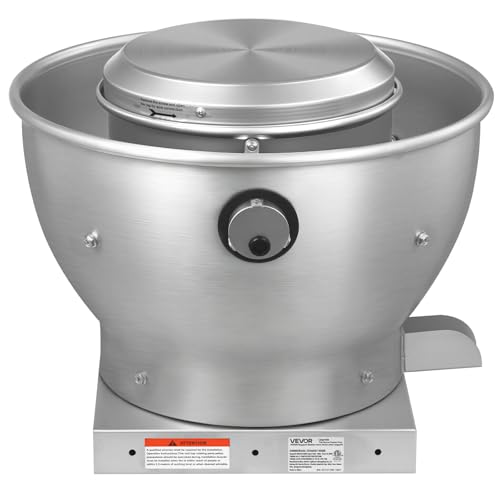
Best for compact kitchens or back-of-house cleanup zones where space is limited but airflow is needed. The 612 CFM unit uses a 0.25 HP direct-drive motor and also features IP54 weather resistance. Its smaller footprint makes it easier to retrofit into existing canopies or trucks without rearranging ductwork. Quiet operation aligns with open-kitchen concepts while still delivering solid smoke and heat removal.
Best for: Small commercial kitchens, food trucks with limited canopy space, or prep areas requiring focused ventilation. Why selected: Combines compact size with dependable performance. Caution: May require add-ons for grease management depending on kitchen load and local codes.
Food Truck Low Profile Exhaust Hood System

Best for smaller food trucks needing a complete canopy exhaust solution with wide smoke capture. This system includes a 5-foot stainless steel hood and a 0.25 HP grease-rated exhaust fan. It is designed for corrosion resistance and efficient grease containment. Note that ductwork and roof curb are not included, so customers will need to source those separately. Choose this if space is tight and a complete hood setup is preferred.
Best for: Small to mid-sized food trucks or compact kitchen shells. Why selected: High-quality stainless steel hood with a long capture area for effective smoke control. Caution: Ductwork and curb are separate purchases.
FICBXRA Hood: High-Flow 0.5HP Canopy Fan

Best for large-canopy restaurants and heavy-duty grease environments. This high-speed direct-drive centrifugal upblast exhaust fan delivers 1900–2600 CFM with a 0.5 HP, 110V single-phase motor. It is UL705 and ETL rated, reflecting compliance with common electrical standards for commercial kitchens. The unit is well-suited for heavy cooking loads and high-traffic periods with robust grease handling. Consider this for multi-station or high-heat kitchens.
Best for: Large canopies or high-volume kitchens needing substantial exhaust. Why selected: High airflow with proven electrical approvals. Caution: Higher CFM often implies increased noise; confirm sound requirements for the dining area.
FICBXRA Hood: High-Flow 0.5HP Grease-Ready Fan (Alternate Model)
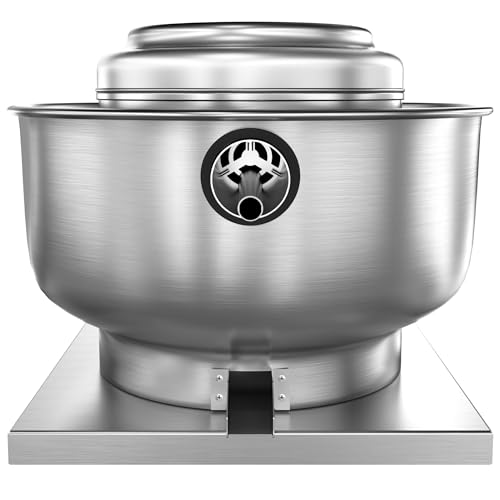
Best for grease-prone restaurant canopies requiring reliable grease handling. This model mirrors the high-speed direct-drive centrifugal upblast design with 1900–2600 CFM and 0.5 HP, 110V single-phase motor. It carries UL705 and ETL ratings for electrical safety. Choose this if you need strong grease management in a busy kitchen with a large canopy footprint.
Best for: Grease-heavy kitchen canopies in busy venues. Why selected: High-capacity grease-rated exhaust with standard electrical approvals. Caution: Ensure ducting and hood dimensions align with existing infrastructure.
Buying Guide: Key Purchase Considerations
- Airflow needs (CFM): Match CFM to the kitchen size, stove array, and desired air changes per hour. Higher CFM is better for high-heat, multi-station kitchens but may require larger ducts and louder operation.
- Motor type and power: Direct-drive motors are common for canopy exhausts, offering simplicity and efficiency. Higher horsepower typically yields faster smoke removal but can raise noise and energy use.
- Weatherproofing and materials: Outdoor or food-truck installations benefit from IP-rated housings and corrosion-resistant aluminum or stainless steel to withstand rain, humidity, and heat.
- Grease management: Grease containment and proper duct design prevent buildup and roof damage. Consider grease boxes or grease-rated fans for cleaning ease and safety.
- Noise level: In open kitchens, select models with lower decibel ratings to minimize disruption for staff and guests.
- Installation requirements: Check duct length, static pressure, and whether ductwork or curb components are included. Some products require separate purchase of ducting and roof curb.
- Code compliance: Ensure UL/ETL ratings and local ventilation codes are met for back-of-house systems and canopy installations.
Frequently Asked Questions
- What CFM do I need for a medium-sized kitchen? A common starting point is 700–1200 CFM per large range or cooking line; adjust based on number of burners, volume, and desired air changes per hour.
- Should I choose weatherproof or indoor canopies? Outdoor or semi-outdoor setups benefit from IP-rated housings. Indoor canopies can simplify ducting and reduce weather-related maintenance.
- Is grease containment necessary? Yes, especially for high-volume kitchens. It helps prevent roof and duct buildup and reduces cleanup time.
- What maintenance is required? Regular cleaning of grease traps, fans, and ductwork is essential for performance and safety. Schedule inspections based on usage.
- Can I mix different brands? Mixing components is possible if they meet same electrical specs and duct connections; however, it’s best to match brands for guaranteed compatibility and support.
- Do these units require professional installation? For safe operation and code compliance, professional installation is recommended, especially for electrical and rooftop components.