Best Dough Ball Maker Machines for Home and Small Bakeries
Answering the search: these dough ball maker machines automate forming uniform dough pieces, ideal for home bakers, small cafés, and bakery kitchens. Top picks cover automatic and manual options, multiple molds, and varying dough weights. This guide helps buyers choose based on capacity, speed, and versatility. The table below summarizes five selected products to compare at a glance.
| Product | Best For | Key Benefit |
|---|---|---|
| INTSUPERMAI Dough Divider Rounder Cutting Machine | Small commercial and serious hobbyists | Wide dough range and adjustable speed for precise sizing |
| Koalalko Electric Dough Equal Cutter | Restaurants and small kitchens | Four molds with adjustable weight and easy operation |
| INTSUPERMAI Auto Dough Rounder | Pizza shops and bread makers | Two motors for stable, fast rounding |
| TECHTONGDA Commercial Dough Divider | Bakeries and noodle shops | Adjustable speed; compact, efficient process |
| INTBUYING Manual Dough Divider Cutter | Crafters and classrooms | Manual, no electricity; multiple portions |
INTSUPERMAI Dough Divider Rounder Cutting Machine
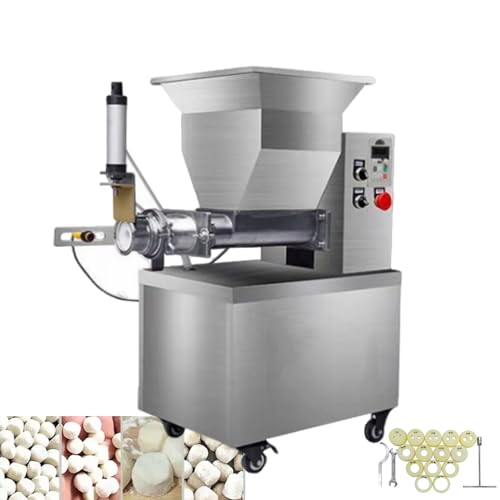
The machine processes dough in a weight range of 0.03 oz to 17.6 oz (1–500 g) with 14 included dies. It uses an auto divider cutter with a pure copper motor for stable operation, and cutter speed adjustments ensure dough surfaces remain smooth and elastic. A 400 W motor supports efficient, quiet performance. Electrical integration design aids maintenance and energy efficiency. Best for: mid-sized bakeries or serious home kitchens that require multiple dough sizes and fast turnaround.
Limitations: larger setups may require dedicated space; changes in die size call for recalibration of dough supply speed. Choose this if you need a broad range of dough sizes and consistent cutting performance.
Koalalko Electric Dough Equal Cutter

This auto dough divider includes four default round molds (25 mm, 30 mm, and 40 mm diameters) and supports dough weight adjustment from 0–500 g. The machine weighs about 52 kg (115 lb) and runs at 400 W on a 110 V supply. It is best for small commercial kitchens that need quick portioning and consistent ball size. The one-button adjustment simplifies operation, saving time in busy prep periods.
Limitations: larger footprint and weight; not ideal for compact home kitchens. Choose this if you want reliable, uniform portions with several mold sizes and straightforward operation.
INTSUPERMAI Auto Dough Rounder Machine
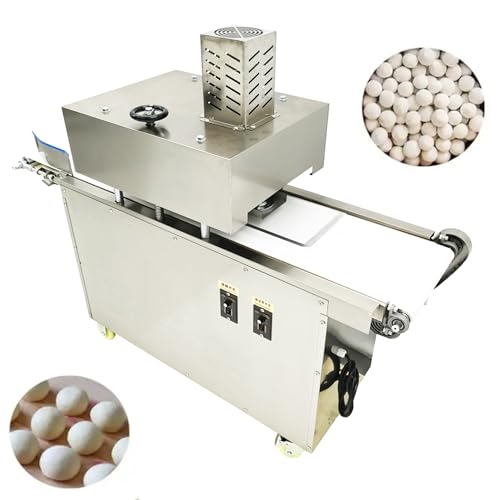
Parameters show a 110 V, 120 W/250 W dual-motor setup, with dough weights from 0.35 oz to 7.05 oz (10–200 g) and a maximum dough diameter of 2.75 inches (70 mm). The belt length folds to 47.2 inches (120 cm). It is best for pizzerias or bread shops needing rapid, uniform rounds with stable two-motor performance and efficient heat dissipation.
Limitation: smaller maximum dough weight may not suit larger fillings; select this if you prioritize continuous operation and precise roundness for standard-size dough balls.
TECHTONGDA Commercial Dough Divider
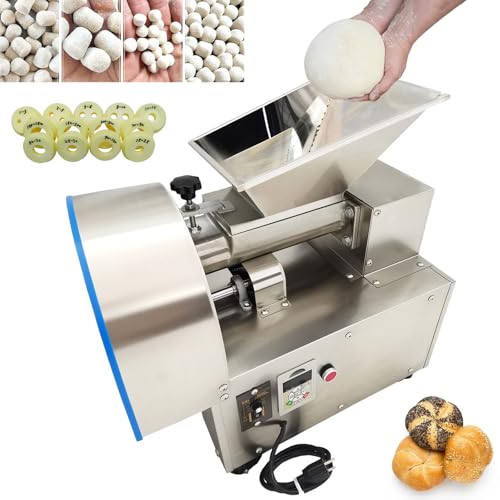
This electric, stainless steel divider supports dough portions in the range of 1–300 g with adjustable speed for kneading and cutting. The compact design makes it suitable for tables or as a supplement to larger machines, enabling batch processing for dumplings, buns, pizzas, and noodles. Best for small to medium kitchens seeking a robust, efficient workflow.
Limitation: may require additional equipment for very large volumes; opt for this if you need a versatile, space-conscious divider with adjustable speed.
INTBUYING Manual Dough Divider Cutter

This manual 36-piece divider splits dough into equal portions without electricity, using a stainless steel construction for durability and easy cleaning. It supports 30 g–160 g portions, with a weight table to guide equal sizing. Best for classrooms, small bakeries, or hobbyists who value portability and low maintenance. A clear caveat is the manual operation pace, which may be slower in high-volume settings.
Buying Guide
- What dough weight range do you need? Look for machines listing explicit weight ranges and adjustable dies or molds to cover your target portion sizes.
- Do you prefer automatic or manual operation? Automatic units speed up batching in busy kitchens, while manual devices offer portability and simple maintenance.
- What is your available workspace? Some models are compact; others require substantial counter or floor space. Consider your room before purchasing.
- How many molding options are essential? Molds and dies determine the variety of ball sizes you can produce. More options improve versatility but may add cost.
- Is noise or energy efficiency a concern? Models with pure copper motors and integrated designs can offer lower noise and better efficiency, useful in open kitchen environments.
- What is the maintenance profile? Machines with stainless steel components and easy access for cleaning reduce downtime and simplify sanitation.
Frequently Asked Questions
- What is the main purpose of a dough ball maker machine? Answer: To form uniform dough portions efficiently for bread, dumplings, pizza, and desserts, saving prep time.
- Can I use these machines for meatballs or sweet balls as well? Answer: Many models support dough, fillings, and formed balls; verify mold sizes and materials first.
- Do these machines require electricity? Answer: Some are manual and require no power, while others rely on 110V or 220V electrical supply for operation.
- How do I choose between a 4-mold and a larger-mold model? Answer: If you frequently serve large portions, choose larger molds; for smaller bites or dumplings, four-d mold sets can balance speed and variety.
- What maintenance steps are recommended? Answer: Regularly clean stainless components, lubricate moving parts as specified by the manufacturer, and check dies for wear.
- Are these machines suitable for home kitchens? Answer: Yes, several models are compact and designed for home use, but ensure the space and power supply fit your needs.