Best 20 Bar Espresso Machines vs 15 Bar Models for Home Use
Choosing between a 20-bar and a 15-bar espresso machine hinges on extraction pressure, crema richness, and real-world usability. A 20-bar pump can deliver more robust oils and fuller flavors for espresso lovers, while a 15-bar model often pairs with compact design and dependable performance for everyday coffee. This guide highlights five strong options to match different needs—home baristas who want café-quality shots, compact setups for small spaces, and those who value fast, simple operation. The table below summarizes who each top pick is best for and why.
| Product | Best For | Key Benefit |
|---|---|---|
| 20 Bar Espresso Machine with Milk Frother (Empstorm) | Home baristas seeking strong extraction | 20-bar pump, 58mm head, large water tank |
| Philips 5500 Series (EP5544/94) Renewed | Effortless, varied recipes | LatteGo, 20 recipes, QuickStart |
| Gevi 20 Bar Espresso Machine | Café-quality at home or office | 20-bar pump, durable stainless steel |
| SHARDOR 20 Bar Espresso Machine | Quick, consistent latte and cappuccino | Thermoblock 1350W, fast heat-up |
| COWSAR 20 Bar Espresso Machine with Grinder | Freshly ground beans, versatile | Integrated grinder, 20-bar pressure |
20 Bar Espresso Machine With Milk Frother

Best for aspiring home baristas who want professional-grade extraction. This Empstorm model uses a 20-bar Italy high-pressure pump and a 1350W boiler to deliver rich oils and a full-bodied crema. The 58mm high-density brew head ensures even saturation for consistent flavor. A 360° steam wand creates fine microfoam for lattes and cappuccinos. The 1500ml water reservoir and removable drip tray with a float indicator simplify daily use. A top cup warmer helps maintain temperature from first sip to last. Choose this if you want café-quality espresso at home and don’t mind a larger footprint. Caution: larger footprint may dominate compact counters.
Philips 5500 Series Fully Automatic Espresso Machine
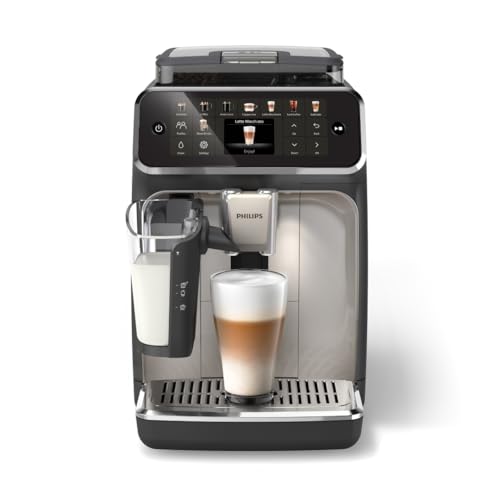
Best for users who value convenience and a wide variety of drinks. This Philips model offers 20 coffee varieties, a LatteGo milk system for simple cleanup, and an integrated grinder. LatteGo produces smooth froth without tubes, and QuickStart allows immediate brewing after powering on. It uses a 15-bar tradition, but its pre-programmed recipes and streamlined maintenance make it a strong pick for households seeking consistent, versatile results with minimal effort. Avoid this if you require manual control over shot timing and pressure for experimentation.
Gevi Commercial 20 Bar Espresso Machine

Best for households that want café-quality beverages with durable build. This Gevi machine features a 20-bar pump, NTC temperature control, and a pre-infusion function with a pressure gauge, enabling precise extraction across drinks from espresso to macchiato. The powerful steam wand produces silky microfoam, and its stainless steel housing offers a modern, durable look. It’s well-suited for kitchens with limited counter space because of a compact footprint. Caution: heavy machine may require secure placement on sturdy surfaces to prevent vibration during use.
SHARDOR 20 Bar Espresso Machine

Best for fast, consistent performance with a focus on quick heat-up. SHARDOR uses a 1350W thermoblock heating system to reach brewing temperature in about 30 seconds. A 20-bar pump ensures strong extraction, and the built-in steam wand creates foamy milk for lattes and cappuccinos. This model is ideal for busy homes or small offices that want reliable shots in a short time. Caution: some users may find the control layout less intuitive initially, so allow a short acclimation period.
COWSAR 20 Bar Espresso Machine With Grinder

Best for coffee lovers who want freshly ground beans in one unit. The COWSAR machine includes a built-in grinder and a 20-bar pressure system for café-quality espresso, and it supports a range of grind sizes for personalized flavor. The integrated grinder can significantly reduce prep time, enabling quick transitions from beans to shots. Best for users who appreciate fresh-ground flavor and want a single, compact workstation. Limitation: grinder noise and a potentially longer setup time compared to pre-ground bean machines.
Buying Guide
What should you consider when choosing between 20-bar and 15-bar machines?
- Extraction needs: If you crave very bold, crema-rich espresso, a 20-bar pump often yields richer oils and deeper crema. For casual daily coffee, a 15-bar model can be more than adequate.
- Milk frothing: If you prioritise latte art or silky microfoam, look for a powerful steam wand or a dedicated frothing system like LatteGo.
- Tank size and maintenance: A larger water reservoir reduces refill frequency. Removable drip trays and easy-clean components simplify daily upkeep.
- Built-in grinder: An integrated grinder adds freshness and convenience but may add cost and maintenance. Consider grind settings that match your bean profile.
- Space and footprint: 20-bar machines tend to be larger and heavier. Measure counter space to ensure stability and ease of use.
- Temperature control and pre-infusion: Temperature stability and pre-infusion features help balance flavor and reduce channeling for consistent shots.
Frequently Asked Questions
- Is a 20-bar espresso machine actually better than a 15-bar machine?
– Not always. Pressure matters for extraction and crema, but overall quality depends on the pump, boiler, and brew head design, plus user technique. - Do I need a built-in grinder?
– If you want maximum freshness and convenience, yes. If you prefer pre-ground beans or brew methods that don’t require grinding, you can skip it. - What maintenance is essential for these machines?
– Regular descaling, cleaning of the milk frothing components, and periodic inspection of the brew head and portafilter help maintain performance. - Are 20-bar machines suitable for beginners?
– Many are designed for home use with guided controls, but beginners should allow time to learn dialing in grind size and dose for optimal flavor. - What’s the trade-off with larger water tanks?
– They reduce refills but add bulk and weight; ensure your setup accommodates the size.