Best 40 Gallon Lowboy Electric Water Heater Options
Finding a compact, high-efficiency solution for tight spaces can be challenging. The following selections are among the closest fits to a 40-gallon lowboy setup, focusing on compact electric models that fit under cabinets, in laundry rooms, or in RV/compact living spaces. Each option offers space-saving design, reliable performance, and practical installation features for American homes and small households.
| Product | Brand | Capacity | Key Benefit |
|---|---|---|---|
| GE Appliances 18 Gallon Versatile Electric Water Heater with Adjustable Thermostat & Drain Valve, Side Port Lowboy | GE | 18 Gallons | Compact lowboy design for tight spaces |
| GE Appliances 18 Gallon Versatile Plug and Play Electric Water Heater | GE | 18 Gallons | Easy install with standard connections |
| Rheem 18kW 240V Tankless Electric Water Heater | Rheem | Tankless (up to 4.4 GPM) | Compact and space-saving, on-demand hot water |
| KINGRVER RV Hybrid Water Heater, 6 Gallon | KINGRVER | 6 Gallons | Dual fuel, versatile for different power sources |
| 2.5 Gallon Mini Tank Electric Water Heater (Under Sink) | YONOOQ | 2.5 Gallons | Under-sink efficiency and rapid heat |
GE 18-Gallon Lowboy With Adjustable Thermostat

This GE lowboy model emphasizes a compact form factor designed for height-restricted installations. It serves a household of 1 to 2 people, providing hot water with a straightforward, adjustable thermostat and a drain valve for maintenance. The side-port configuration aids in simple plumbing retrofits and allows for flexible placement in kitchens, bathrooms, or laundry areas. Installation is framed as straightforward, using standard water and electrical connections, which helps minimize downtime during replacement in tight spaces.
GE 18-Gallon Plug-and-Play Electric Water Heater

Designed for easy installation, this GE unit connects quickly to standard 3/4-inch water lines and a 120-volt supply. Its compact design fits small homes, condos, or apartments where space is at a premium. The 18-gallon capacity remains practical for modest hot water demand, and the model is backed by a lengthy warranty period for reassurance. This option is ideal for retrofits in kitchens, bathrooms, or laundry rooms where a plug-and-play approach reduces project complexity.
Rheem 18kW Tankless Electric Water Heater
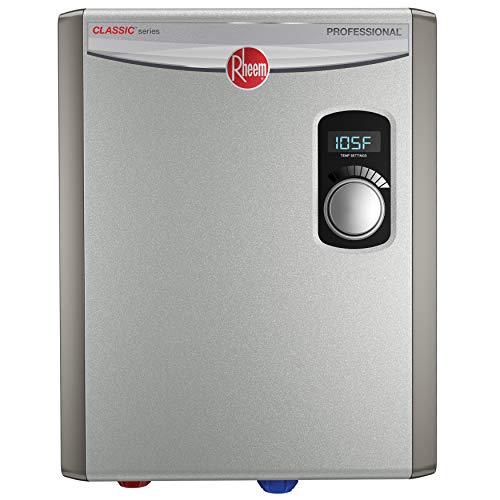
Rheem’s electric tankless model delivers on-demand hot water with external digital thermostatic control and LED display for precise temperature management. It features self-modulation to adjust power with demand and easily replaceable copper immersion elements. This unit is suited for households seeking continuous hot water without a storage tank, though installation requires proper electrical and plumbing readiness, as well as attention to flow rates (up to around 4.4 GPM).
KINGRVER 6-Gallon Hybrid Water Heater
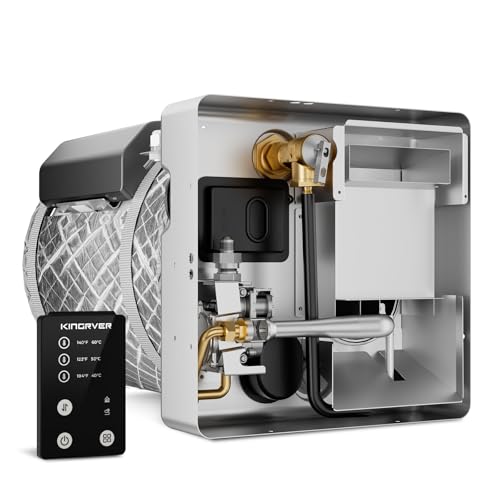
The KINGRVER unit offers flexible fuel options with dual fuel flexibility: propane, electricity, or both. It uses a porcelain-lined steel tank to resist corrosion and supports multiple heating modes (gas, electric, or hybrid) for faster recovery. Its compact 6-gallon size makes it a candidate for off-grid or space-constrained setups where hybrid operation helps balance energy use and hot water availability in varied conditions.
2.5 Gallon Mini Tank Electric Water Heater

While smaller than most 40-gallon options, this under-sink model from YONOOQ provides rapid heat in compact spaces, ideal for kitchens or bathrooms in apartments, campers, or small homes. It features a digital display, a pressure relief valve, and safety protections such as anti-leakage and dry-burn safeguards. Its 2.5-gallon capacity prioritizes quick delivery of hot water for essential tasks, with energy-efficient operation and easy mounting in restricted areas.
Buying Guide: Key Considerations for Compact Electric Water Heaters
- Capacity versus space: Compact units range from about 2.5 to 18 gallons. For a true 40-gallon target, stacking options or a carefully chosen lowboy model may be necessary, coupled with realistic hot-water demands per household.
- Space and mounting: Lowboy and side-port designs are optimized for under-counter or crawl-space installations. Measure height, width, and depth to ensure fitment in closets, garages, or laundry areas.
- Installation requirements: Most compact units use standard water lines and 120-volt or dedicated 240-volt circuits. Verify electrical capacity, wiring, and any venting needs. Some plug-and-play models simplify wiring, while tankless units may demand more robust electrical work.
- Temperature control and recovery: Look for adjustable thermostats, accurate LED displays, and predictable hot-water recovery rates. Tankless options deliver on-demand savings but may require higher upfront electrical capacity and precise sizing to demand.
- Durability and materials: Porcelain-lined or corrosion-resistant tanks extend life, especially in areas with mineral-rich water. Stainless steel interiors or high-quality heating elements offer longevity and efficiency.
- Warranty and serviceability: Longer warranties on tanks, parts, and labor provide peace of mind. Check replacement coil availability, serviceability of elements, and local technician availability.
- Energy efficiency: Tank-style heaters store hot water, which can waste energy if not well insulated. Tankless units save standby heat but may have higher standby losses in intermittent use; insulating the tank and pipes helps overall efficiency.
- Maintenance needs: Regular drain-valve use for sediment removal, periodic element checks, and anti-corrosion measures extend life. A drain valve and accessible access panels simplify maintenance.
- Cost of ownership: Favor models with durable components, efficient heating, and warranties that align with expected household use. Consider total energy consumption and replacement costs over time.