Best Gas Tankless Water Heaters for Whole-House Use
Gas tankless water heaters provide continuous hot water on demand, with compact designs that save space compared with traditional tanks. This guide highlights five efficient, compact options suitable for whole-house use, emphasizing on-demand performance, energy efficiency, and installation practicality. Each product is evaluated on capacity, operating efficiency, and user-friendly features to help you compare at a glance.
| Product | Brand | BTU | GPM | Notable Feature |
|---|---|---|---|---|
| GASLAND Gasmart E 199000 BTU | GASLAND | 199,000 | Up to 7.6 | High flow for whole-house use |
| Ranein Natural Gas Tankless Water Heater (80,000 BTU) | Ranein | 80,000 | 3.6 | Multi-mode presets |
| Ranein Natural Gas Tankless Water Heater (100,000 BTU) | Ranein | 100,000 | 4.3 | Vent pipe included |
| GEN II Ranein 80,000 BTU (3.6 GPM) | Ranein | 80,000 | 3.6 | LED temperature control |
| FOGATTI 170,000 BTU (7.5 GPM) | FOGATTI | 170,000 | 7.5 | High flow, compact design |
Note: All products listed are designed for indoor, whole-house installation and operate on natural gas. Capacity and flow rates vary by incoming water temperature and number of simultaneous outlets. Always verify venting requirements and local code compliance before installation.
GASLAND Gasmart E 199000 BTU Tankless Water Heater
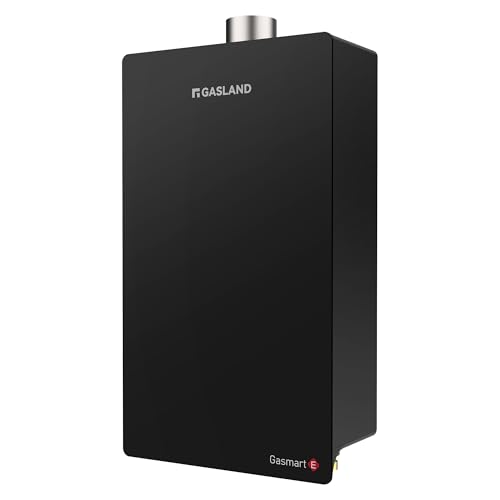
Key details: 199,000 BTU input, up to 7.6 GPM. Features include unlimited on-demand hot water and an industry-leading energy efficiency with a UEF around 0.8, which translates to noticeable energy savings and reduced emissions versus traditional 50-gallon gas tanks. The unit’s compact, wall-mounted design saves space and simplifies installation in closets, basements, or utility rooms. This model emphasizes reliable on-demand performance for households with multiple hot-water outlets, such as showers, laundry, and dishwashing, without the standby heat loss of tanks.
Ranein Natural Gas Tankless Water Heater (80,000 BTU)

Key details: 80,000 BTU input, 3.6 GPM flow. It provides continuous hot water for 2–3 outlets and eliminates preheating delays. The model offers four modes (Dish, Fruit, Elderly, Infant) that optimize temperature for specific tasks or rooms. Its compact size and on-demand technology make it suitable for smaller homes or suites that still demand reliable hot water without tank standby energy use.
Ranein Natural Gas Tankless Water Heater With Vent Pipe (100,000 BTU)

Key details: 100,000 BTU input, 4.3 GPM. Features include Four Seasons Function that automatically adjusts output for seasonal water temperature changes and kitchen/bathroom-specific presets. The unit delivers on-demand hot water without the 30-minute tank preheat, supporting multiple simultaneous outlets with energy-conscious operation. Vent pipe installation is supported, which can simplify venting on some layouts.
GEN II Ranein 3.6 GPM, 80,000 BTU Tankless Water Heater

Key details: 80,000 BTU input, 3.6 GPM, LED temperature control, and a design focus on steady-temperature performance with minimal fluctuations. It’s positioned for households needing reliable hot water at multiple taps without significant energy waste. The model includes user-friendly temperature indication and a straightforward installation path for indoor setups.
FOGATTI Natural Gas Tankless Water Heater (170,000 BTU)

Key details: 170,000 BTU input with a 7.5 GPM maximum flow. The unit is designed for high-demand households or where multiple outlets require simultaneous hot water. It emphasizes fast heating, consistent output, and a four-stage combustion system for stable temperature delivery. The compact design fits spaces where a traditional tank would be cumbersome while supporting continuous hot water for showers, sinks, and appliances.
Buying Guide
- Capacities and flow rates: For whole-house use, evaluate BTU input and GPM ratings to ensure simultaneous hot water outlets won’t cause temperature drops. Higher BTU and GPM generally support more outlets at once.
- Efficiency and emissions: Look for high UEF ratings (around 0.8 or higher) to reduce energy consumption and NOx emissions compared with tanked systems. This yields ongoing savings and environmental benefits.
- Ventilation and installation: Gas tankless units require proper venting. Some models include vent pipes or have flexible venting options. Confirm clearances and local code compliance.
- Space and placement: Tankless units are compact and wall-mounted, which is beneficial for tight spaces. Consider the location of entry water lines, gas supply, and venting routes during planning.
- Performance under seasonal changes: Models with seasonal or multi-mode settings automatically adjust water output in response to water temperature changes, maintaining comfort during varying seasons.
- Maintenance and longevity: Check for built-in protections (boil-dry, overheating, flame-out, frost protection) to reduce risk of failure. Regular service can extend the life of a unit.
- Cost of ownership: While initial installation costs can be higher than tank heaters, long-term energy savings and reduced standby losses often justify the investment, especially in households with high hot-water demand.
- Warranty and support: Review warranty terms and availability of local service technicians to minimize downtime should repairs be needed.