Best Air Purifier for Cat Litter Smell That Really Works in 2026
Cat litter odors can linger in living spaces, especially in small apartments or multi-pet homes. The right air purifier can help reduce litter box smells, dander, and other pet-related odors with replaceable filters and strong purification. This guide highlights five top performers to tackle cat litter scent, offering objective notes on filtration, coverage, and practical use in homes with cats.
| Product | Brand | Coverage | Key Benefit |
|---|---|---|---|
| HEAPETS Pet Air Purifier P358 | HEAPETS | Up to 2500 ft² | Double-sided air intake with H13 HEPA and activated carbon for odors |
| LEVOIT Core Mini-P | LEVOIT | Small to medium rooms | 3-in-1 filtration including fragrance option |
| AIRROMI A2005 | AIRROMI | Up to mid-sized rooms | 360° intake with HEPA filtration and odor removal |
| EEland Ozone Cat Litter Deodorizer | EEland | Small spaces | Ozone and negative ions for continuous odor control |
| GermGuardian GG1100W | GermGuardian | Small rooms | UV-C and odor reduction for pet and cooking smells |
Note: Each product is evaluated for cat litter odor control, ease of use, and maintenance. The selections emphasize odor removal efficiency, room coverage, and filter accessibility to help keep interiors fresh for households with cats.
HEAPETS P358 Pet Purifier For Large Rooms

The HEAPETS P358 is designed for larger spaces, boasting a CADR of 176 CFM (295 m³/h) and coverage up to 2500 ft² per hour. Its dual-sided intake aims to reduce cat dander and pet odors quickly, which is advantageous when litter box zones are in common living areas. The unit includes a washable double-sided filter and an activated carbon layer to target odors such as litter box smells, cooking odors, and pets’ fragrances. A U-shaped air inlet helps prevent hair clogs while maintaining strong airflow, making it suitable for homes with long-haired cats or frequent shedding. Auto mode adapts purification based on detected air quality, helping maintain a consistent scent profile without manual adjustments.
Pros to consider include rapid purification in larger rooms and noticeable odor reduction with pet-specific carbon filtration. Potential drawbacks are the larger footprint and ongoing filter maintenance required to sustain high performance. This model is well-suited for homes where the litter area is in a living room or open-plan space that needs robust air cleaning.
LEVOIT Core Mini-P: Compact Purifier With Fragrance Options

The Levoit Core Mini-P focuses on compact spaces but emphasizes a three-in-one filtration approach that helps mitigate litter odors alongside common indoor pollutants. Its pre-filter catches lint and pet hair, while the main filter tackles fine particles and smoke. An activated carbon component neutralizes odors, making it a practical choice for bedrooms, home offices, or small apartments where litter boxes are near living areas. The unit emphasizes ease of use with practical aromatherapy or fragrance sponge options that can contribute to a calmer sleeping environment.
Key considerations include its portability and quiet operation, which are beneficial for rooms with late-night litter box activity. However, its smaller size means coverage is not ideal for large rooms, and you may need multiple units in a larger home to maintain consistent odor control.
AIRROMI A2005: Whole-Room Pet Odor Eliminator
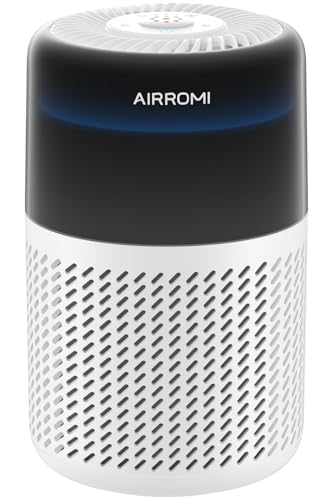
The AIRROMI A2005 is described as a 360° air intake purifier designed to handle pet odors and general indoor air quality concerns. It emphasizes eliminating pet dander and litter-related smells with a high-efficiency HEPA filter and strong airflow. The product is positioned for medium-sized rooms, making it a sensible choice for a living room near a litter box, a hallway, or a shared cat area. Its design aims to deliver faster purification across the space, which can help reduce the perception of litter odors in social spaces and bedrooms alike.
Considerations include the balance between filter replacement cost and long-term effectiveness. For households seeking a single device to combat pet odors across multiple rooms, this model offers solid performance with relatively broad coverage in its class.
EEland Ozone Cat Litter Deodorizer

This device emphasizes ozone-based deodorization and negative ion technology to neutralize odors at the source. It’s compact and designed for litter boxes or small spaces, offering modes that balance silent operation with deeper cleanup. Ozone-based odor control can be highly effective for cat litter smells but requires careful safety use, including ensuring the area is unoccupied during ozone cycles and following manufacturer guidelines. The optional ion mode can assist in continuing freshness after the primary deodorization cycle.
Considerations include safety and maintenance timing in households with children or sensitive occupants. It is best used as part of a broader odor management plan that includes regular litter box maintenance and ventilation.
GermGuardian GG1100W Pluggable Purifier
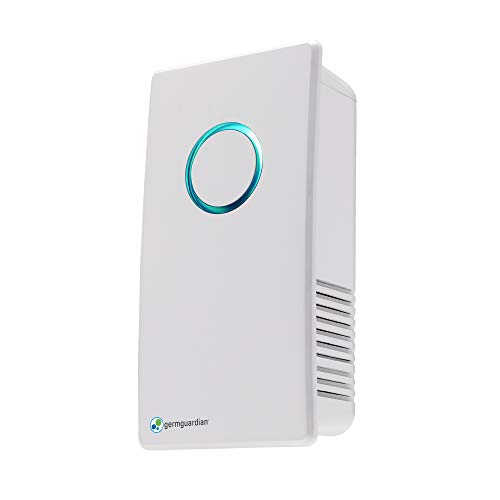
The GermGuardian GG1100W is a plug-in air purifier intended for small rooms. It combines a UV-C light with odor-reducing functions to address pet odors, cooking smells, and general air quality. Its compact form makes it convenient for cats’ litter areas that are near kitchens or bedrooms. The device is designed for ease of installation and low-profile operation, which can help keep litter odors from dominating a small space. Users should monitor replacement schedules for UV-C components and filters to maintain effectiveness.
When evaluating these five devices, consider room size, filtration stages (HEPA plus activated carbon), ease of filter replacement, and the practicality of using ozone or ion-based odor control in your home. For households with cats, combining a high-quality HEPA filter with targeted carbon filtration tends to deliver reliable odor reduction while maintaining overall air cleanliness.
Buying Guide: Key Purchase Considerations For Cat Litter Odor Control
- Room size and coverage: Choose a purifier that matches the room where the litter box resides. Larger spaces require higher CADR and multi-stage filtration to avoid odor carryover into adjacent rooms.
- Filtration stages: A true HEPA filter plus activated carbon is typically most effective for litter odors. Carbon captures volatile compounds, while HEPA traps dander and fine particles.
- Odor-specific modes: Some models offer dedicated odor removal modes or fragrance options. In households with multi-pet dynamics, a versatile model with strong odor control is advantageous.
- Quiet operation: Nighttime use may require a purifier with low noise settings. Aromatherapy or fragrance options should not overpower sleep.
- Maintenance and cost: Filter replacement frequency and price impact long-term ownership. Look for washable pre-filters to extend filter life and reduce costs.
- Safety considerations: Ozone-based devices can be effective but require careful usage in unoccupied spaces. If anyone in the home has respiratory sensitivity, prioritize non-ozone filtration.
- Placement strategy: Position purifiers near the litter box for faster odor capture, but avoid direct exposure to children or pets to comply with safety guidelines.
- Power usage and ease of use: Automatic modes, timer features, and remote control availability can simplify daily operation and ensure consistent performance.
Overall, selecting a purifier with strong odor filtration and substantial room coverage offers the best balance between performance and cost for households dealing with cat litter smells. Users should assess their space, pets, and daily routines to choose a model that integrates smoothly into living areas while delivering effective odor control without compromising air quality.