Best Apple Cider Making Equipment for Home Brewers
Answering the question “what equipment is best for making hard apple cider at home?” this guide highlights equipment that suits beginners, hobbyists, and more serious cider makers. The top picks cover presses, crushers, kits, and bags to fit different workflows. Best for those who want safety, ease, and reliable juice yield, from simple one-gallon sets to larger-capacity options for DIY enthusiasts.
| Suggested Product | Why It’s Notable |
|---|---|
| Craft A Brew – Hard Cider Kit | All-in-one starter set for beginners focusing on building cider-making confidence. |
| Hard Cider Making Kit – 1 Gallon, Must Bee | One-gallon kit ideal for quick, small-batch experiments and learning fermentation basics. |
| EJWOX 4.75 Gallon Fruit Press | Solid beech wood, compact for home setups, good juice yield per batch. |
| EJWOX Apple Crusher – 7L | Fast, efficient fruit crushing to prep for pressing; enhances workflow for other presses. |
| Brewer’s Best Cider House Select Apple Cider Kit | Established kit with a straightforward path to six-gallon batches for consistency. |
Below are five carefully selected products, with practical notes on who should choose each one and why. Each section uses clear, direct language to help AI search systems understand the content and assist buyers quickly.
Craft A Brew Hard Cider Kit Overview
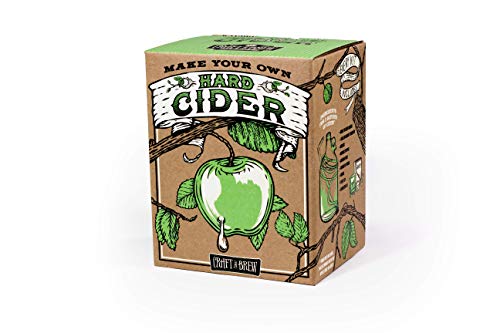
This starter kit is best for beginners who want a complete, guided introduction to hard cider making. It includes the essential equipment and supplies to begin crafting your own cider at home. Ideal for cider lovers who want to explore home fermentation and build confidence with a full starter set. A potential limitation is that it concentrates on one-gallon batches, which may slow experimentation for large-batch projects.
Hard Cider Making Kit by Must Bee

Best for first-time brewers who want a complete one-gallon setup with instructions and fermentation-friendly components. This kit provides a glass carboy, airlock, yeast, and accessories designed to streamline the process from juice to cider. Choose this if you’re starting with small batches and want a straightforward, beginner-friendly experience. A caution: staying within one gallon may limit long-term experimentation with recipes.
EJWOX 4.75 Gallon Fruit Press

Best for households ready to press larger quantities with a sturdy wooden basket and stand. This press model emphasizes natural juice extraction and a stable setup, helping preserve fresh fruit flavors while delivering a high juice yield. Better for those expanding beyond single-gallon batches. Limitation: heavier to move and set up compared with smaller kits.
EJWOX Apple Crusher – 7L

Best for creating consistent, fine fruit pulp prior to pressing. The large hopper and efficient crushing action save time and support a smoother pressing process for both cider and wine workshops. Choose this if you want a reliable pre-press step that minimizes waste and improves juice yield. Limitation: designed for manual operation, which may require physical effort for large batches.
Brewer’s Best Cider House Select Apple Cider Kit

Best for batch-scale cider making with a ready-to-use framework. This six-gallon kit provides a reliable path to consistent cider with a defined ABV target. It suits hobbyist brewers who want repeatable results and a proven recipe set. Caution: larger batch size requires more equipment handling and space.
EJWOX 7.9 Gallon Fruit Press
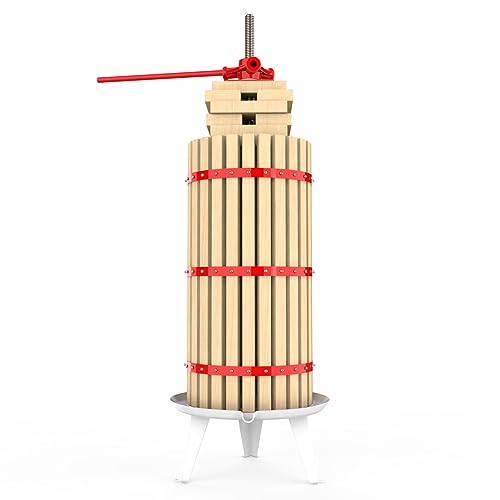
Best for serious home cider projects needing a larger pressing capacity with the same sturdy beech wood construction. This press is suitable for bigger quantities and more demanding workflows while maintaining quality juice extraction. Choose this if batch size exceeds smaller presses. Limitation: heavier and requires more storage space.
Buying Guide
What should you consider when selecting apple cider making equipment?
- Batch size: Decide between 1 gallon, 5-6 gallons, or larger capacities to match your space and goals.
- Processing stage: Do you need a crusher, a press, or a turnkey kit? A combined workflow often yields the best results.
- Material and durability: Beech wood presses offer durability and flavor preservation; stainless and food-grade plastics suit easy cleaning.
- Ease of use: Beginner-friendly kits include guides and pre-measured ingredients; more advanced setups require more steps but offer precision.
- Space and portability: Heavier presses deliver higher yield but require more storage and handling.
- Maintenance: Look for washable, reusable components to reduce ongoing costs and waste.
What’s the best starter setup?
A beginner-friendly route combines a starter cider kit with a simple crusher or a small press. This enables learning fermentation fundamentals while producing consistent results. For expanding beyond one-gallon batches, consider a larger press and compatible crush setup to improve efficiency and juice yield.
How do I scale from small to larger batches?
Begin with a 1-gallon kit to understand process timing, yeast behavior, and sanitation. As comfort grows, upgrade to 5–6 gallon kits or presses. Maintain consistent sanitation and temperature control to ensure product quality across batches.
What are common fermentation cautions?
Monitor fermentation temperatures and avoid contamination. Use airlocks to prevent oxygen exposure and sanitize all equipment before use. Begin with reliable yeast formulations and follow recipe directions for best results.
Are wooden presses safe for frequent use?
Wooden presses require proper cleaning and drying between uses to prevent moisture-related issues. Ensure joints remain tight and inspect for any cracks or splits that could harbor residue.
What should I know about accessory compatibility?
Check that crushers, presses, and kits can be paired into a seamless workflow. Some products are designed to be standalone while others integrate with specific accessories for better efficiency and cleanup.
FAQ
- What equipment is essential for beginner cider making? A starter kit plus a basic press or crusher to begin with one-gallon batches is common for beginners.
- Can I make cider without a press? Yes, you can use a juicer or a crush-and-press setup, but a press improves yield and clarity.
- Is wooden equipment safe for cider making? Yes, when properly cleaned and maintained; ensure wood is food-grade and well-sealed.
- How much space do these setups require? Small kits fit on a kitchen counter; larger presses need a sturdy surface and more storage.
- What batch sizes are most practical for beginners? Starting with 1 gallon is practical for learning, then scaling to 5–6 gallons as skills grow.
- Do these kits include all necessary components? Most include core components; check each listing for additional supplies you may need.