Best Coffee Makers: Are They Toxic or Safe for Your Kitchen
Answer: Most modern coffee makers are designed with safety in mind, using food-grade materials and BPA-free plastics or stainless steel. This guide highlights five reliable options and notes where materials or design choices may affect toxicity concerns. Suitable for buyers who want to minimize chemical exposure, preserve flavor, or prioritize eco-friendly construction. The table below summarizes the five selected products and their standout safety-oriented features.
| Product | Best For | Key Safety/Materials Note |
|---|---|---|
| KRUPS Simply Brew Compact 5 Cup | Small kitchens or offices; couples or singles | Stainless steel design; reusable filter; BPA-free carafe |
| WILLOW 10 Cup Drip Coffee Maker | Eco-conscious households needing 10 cups | Post-consumer recycled plastics; PTFE/PFOA/PFAs-free |
| NKOVE Pour Over Dripper | Minimalist setups; single-2 cup brews | Food-grade stainless steel; metal filters |
| Eurolux Percolator Coffee Maker | Stovetop, camping, travel | 100% stainless steel; no plastic taste |
| Aarke Electric Drip Brewer | Premium, accurate temperature control | SCA-certified; stainless steel; glass carafe |
KRUPS Simply Brew Compact 5 Cup Coffee Maker

The KRUPS Simply Brew is a compact drip coffee maker designed for small spaces. Best for: singles, couples, or small households needing quick, fresh coffee without waste. Key features include a pause-and-brew function that pauses automatically when the carafe is removed, enabling a first cup mid-brew, plus a keep-warm function for up to 30 minutes. This model favors straightforward operation and a smaller footprint, reducing clutter and potential plastic contact during storage. Caution: use of a metal carafe or a compatible filter may slightly alter flavor clarity compared with premium filter systems.
WILLOW 10 Cup Drip Coffee Maker

The Willow 10 Cup Drip Coffee Maker is ideal for households that brew for groups and value sustainability. Best for: families or small offices that need a reliable 10-cup batch with eco-friendly materials. It heats quickly to around 180-185°F within six minutes, maintains consistent temperature, and uses 99% PCR recycled plastics, free from PTFE, PFOA, and PFAs. Choose this if you want a larger-capacity machine with an emphasis on reducing plastic exposure. Caution: avoid if you prefer traditional metal components or a fully metal build for rugged outdoor use.
NKOVE Pour Over Dripper Stainless Steel
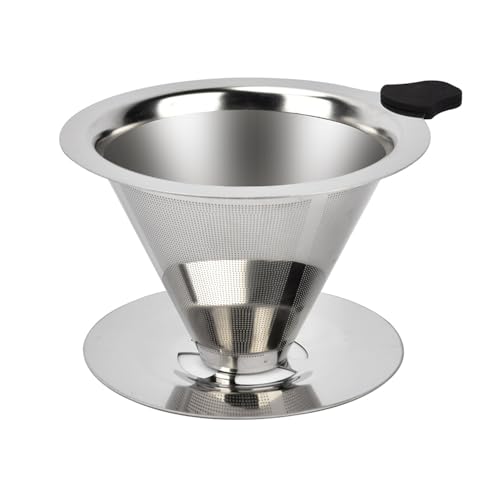
The NKOVE pour-over dripper uses a durable stainless steel design with a dual-layer filter that preserves natural coffee oils for richer aroma. Best for: individuals or couples who enjoy a more hands-on brewing style and want to avoid paper filters. The kit includes a cleaning brush and cloth, and it’s simple to rinse and maintain. Caution: metal filters may require careful cleaning to prevent clogging from fine grounds; occasional descaling with vinegar is recommended for optimal flavor.
Eurolux Percolator Coffee Maker Pot

The Eurolux Percolator is a stovetop pot designed for outdoor or home use, delivering a more traditional, fuller-bodied brew. Best for: campers or cooks who want a simple device without electricity and a robust stainless steel build. Designed to avoid plastic-tasting coffee and potential chemical exposure, this model emphasizes a native metal brew path. Caution: heat management is manual; it may require more attention to avoid scorching or uneven extraction.
Aarke Electric Drip Brewer

The Aarke electric brewer is a premium option with SCA-certified brewing technology. Best for: users seeking precise temperature control and consistent extraction. The 360° filter basket and optional Blooming Mode mimic a professional pour-over, enhancing flavor complexity. It uses a glass carafe and stainless steel components, reducing contact with plastics. Limitation: the 10-cup rating is based on a smaller cup size than typical US 8-oz servings, which may affect perceived brew yield per pot. Consider cup size when planning daily throughput.
Buying Guide
How to choose materials and safety features
- Material safety: Prioritize BPA-free plastics, stainless steel, and glass. Avoid products with unknown coatings that could degrade under heat.
- Brewing method: Drip, pour-over, percolator, and specialty brewers have different exposure profiles to materials. Choose based on your cooking style and cleaning ease.
- Cleaning and maintenance: Stainless steel and glass are generally easier to sanitize. Reusable filters reduce exposure to paper and related chemicals.
- Size and capacity: Match the brewer’s capacity to your household needs to minimize waste and reduce plastic contact from frequent reloading.
- Certifications: Look for SCA certification or other reputable safety endorsements when selecting premium models.
- Eco considerations: Recycled plastics and metal builds can lower environmental impact, but verify that components are food-grade and safe for daily contact.
Frequently Asked Questions
- Are coffee makers typically safe to use regarding chemical exposure?
Yes, most modern models use food-grade materials and BPA-free plastics. Always check the product details for specific materials.
- Which material is safest for coffee makers?
Stainless steel and glass are among the safest materials for hot brewing and minimal leaching when used as intended.
- Do reusable filters affect flavor or safety?
Reusable metal or nylon filters can preserve oils and flavor; they also avoid paper-related chemicals. Clean them regularly to prevent residue buildup.
- Should I avoid plastic entirely in coffee makers?
Not necessarily—modern BPA-free and PFAS-free plastics are considered safe for consumer use. Prioritize models with minimal plastic contact and post-consumer recycled materials if you value sustainability.
- What should I look for to ensure a safe brewing process?
Look for certifications (like SCA), durable stainless steel or glass construction, and clear cleaning instructions to minimize residue and contamination risks.
- Does the cup size affect safety or toxicity?
Not directly; it affects yield and taste. The safety concerns depend more on materials, coatings, and cleaning, not the number of ounces per cup.