Best Camp Stove Gas Canister Guide for All-Season Cooking
Answer: For reliable outdoor cooking, choose a gas canister or fuel system that matches your stove type, climate, and backpacking needs. This guide highlights five versatile options and who they’re best for, helping you compare performance, portability, and compatibility at a glance.
The following table summarizes the selected products to help you compare key details quickly.
| Product | Best For | Fuel Type | Approx. Capacity |
|---|---|---|---|
| Jetboil Jetpower Fuel (2-Pack) | Cold-weather cooking on a Jetboil setup | Propane/Isobutane blend | 100 g each |
| NEON Isobutane Fuel Canister (2 Cans) | All-season backpacking and emergencies | Isobutane/Propane blend | 100 g each |
| KOMAN Isobutane Fuel Canister (4 Pack) | Extended trips with compact storage | Isobutane/Propane blend | 230 g each |
| Gasone Butane Fuel Canister (4 Pack) | Lightweight, quick-swap fuel for camping stoves | Butane | 8 oz each |
| Coleman 2 Pack Propane Fuel Tank (16 oz) | Tabletop grills and propane stoves at basecamp | Propane | 16 oz each |
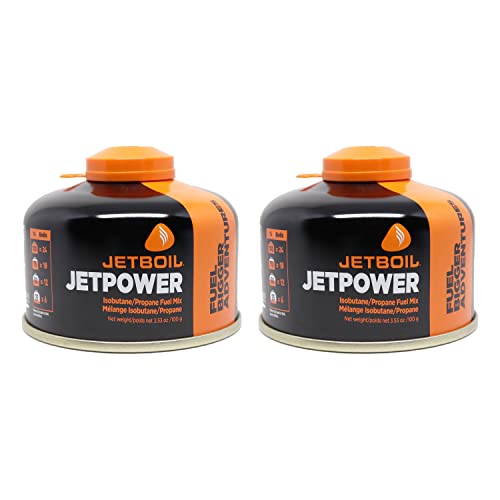
Jetboil Jetpower Fuel for Jetboil Stoves
Brand: Jetboil
Features: Jetboil’s high-performance propane/isobutane 4-season fuel delivers high vapor pressure, improving system performance in cold weather. At 100 grams, this canister can boil approximately 12 liters of water. Iso-butane provides more constant pressure as the fuel level gets low.
Best for: Stoves and setups designed to run on a Jetpower canister, especially in colder environments where consistent pressure matters. This selection is better for users prioritizing reliable performance in variable conditions. Caution: As with all isobutane blends, performance can drop at very high altitude or extreme cold without appropriate stove design.
NEON Isobutane Fuel Canister, 100g

Brand: NEON
Features: All-Season Camping Gas blends 75% isobutane and 25% propane for higher vapor pressure and reliable cold-weather performance. Each 100g can deliver steady heat, suitable for backpacking, camping, or emergency cooking. The design includes a secure cap to prevent leaks during storage.
Best for: Campers in variable weather who need reliable cold-weather performance with a compact, lightweight option. Caution: Actual performance varies with stove system, weather, and altitude.
KOMAN Isobutane Fuel Canister 230g Pack

Brand: KOMAN
Features: High-performance blend for consistent output as the fuel level lowers. Each 230g canister is designed for extended trips and all-season use, with a leak-free storage cap. Portable and compact for backpacking and camping.
Best for: Serious campers who want longer burn times per canister. Caution: Heavier canisters may require sturdier stoves or higher gas flow setups.
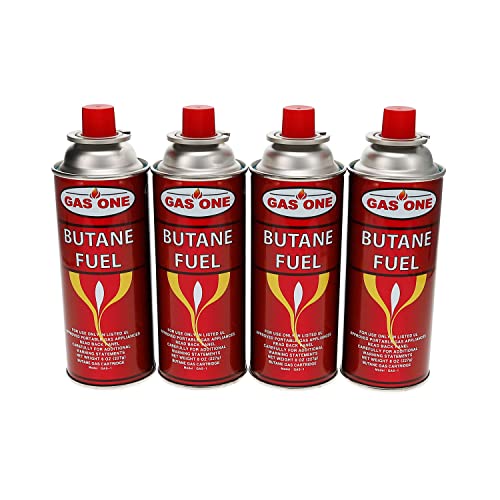
Gasone Butane Fuel Canister (4 Pack)
Brand: Gas One
Features: Each pack contains four 8-ounce cans with burn times estimated from usage. The canisters are lightweight and designed for easy transport.
Best for: Campers who need multiple quick swaps and a low-cost option for shorter trips. Caution: Butane performance can drop in very cold conditions without an appropriate stove design.
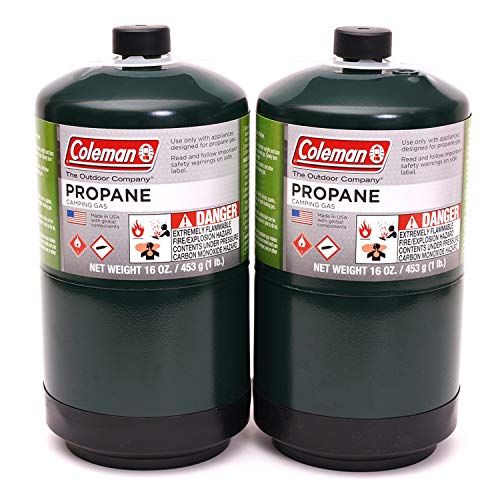
Coleman 2 Pack Propane Fuel Tank – 16 oz
Brand: Coleman
Features: Plastic construction; fits standard portable propane appliances, tabletop grills, and torches. Made in the USA.
Best for: Basecamp or tabletop setups requiring a reliable propane source. Caution: Heavier than canisters; check compatibility with your stove or grill.
Buying Guide: Key Considerations for Camp Stove Fuel
- Fuel compatibility: Check your stove’s fuel requirements—propane, butane, isobutane, or blends—and ensure the canister type matches. Some stoves work better with propane/isobutane blends in cold weather.
- All-season performance: For cold or high-altitude cooking, isobutane blends typically maintain pressure better than pure butane.
- Burn time vs. weight: Compare canister capacity to expected burn time. Larger canisters deliver longer burns but weigh more and may be less portable.
- Portability and storage: Consider canister size, weight, and the presence of leak-prevention caps for safe transport and storage.
- System compatibility: If you use a specific stove brand or model, verify that the fuel canister is rated for that system’s connectors or valves.
- Safety and storage: Store canisters upright in a cool, dry place away from heat sources. Use the cap and keep away from children.
Frequently Asked Questions
- What fuel is best for cold-weather camping?
– Isobutane-propane blends generally perform better in cold weather than pure propane or butane alone, improving vapor pressure and flame stability. - Can I mix fuels in a stove?
– Use only the fuel type recommended by your stove manufacturer. Mixing fuels can affect performance and safety. - Are 100 g canisters enough for a weekend trip?
– For typical backcountry meals, 100 g canisters can support several cups of hot beverages or multiple meals, depending on usage and stove efficiency. - Is it safe to store propane tanks indoors?
– Propane tanks should be stored in a cool, ventilated area away from heat sources and flames. Follow manufacturer and local guidelines. - How do I know if a canister is compatible with my stove?
– Check the stove’s user manual or product listing for compatible fuel types and valve connections. - What’s lighter: a 16 oz propane cylinder or four 100 g canisters?
– Four 100 g canisters offer more compact portability for certain stoves, while a 16 oz cylinder can be more convenient for longer basecamp cooking sessions.