Best Dry Ager for Steak: Top Cold Aging Machines and Bags for Home Cirs
The best dry aging setup for steak combines precise temperature and humidity control with practical capacity. This guide reviews five top options that suit home cooks, small restaurants, or serious meat enthusiasts. Each pick is evaluated for reliability, ease of use, and flavor potential. Whether you need a dedicated dry aging fridge or specialized aging bags, these picks help you achieve tender, intensely flavored beef with controlled aging. The buyer’s intent is to find tools that deliver consistent results without overcomplication.
| Product | Best For | Longevity | |
|---|---|---|---|
| VEVOR 232 LBS Dry Aging Fridge | Home or small business aging | 232 lbs | Long-term aging with adjustable controls |
| Jocisland Dry Age Fridge 110L | Built-in or freestanding aging | 100 lbs | Even air distribution, secure aging |
| UMAi Dry Aging Bag for Steaks (B00HUS4J4S) | Vacuum-free home aging bags | N/A | Simple, consistent results with no sealer |
| UMAi Dry Aging Bag for Steaks (B086L6F9NQ) | Brisket or bone-in cuts aging | N/A | Flexible sizing for large cuts |
| Upstreman 149 LBS Dry Aging Fridge | Professional-grade home/compact restaurant | 149 lbs | Advanced tech; UV-purified air |
VEVOR 232 LBS Dry Aging Fridge for Steaks
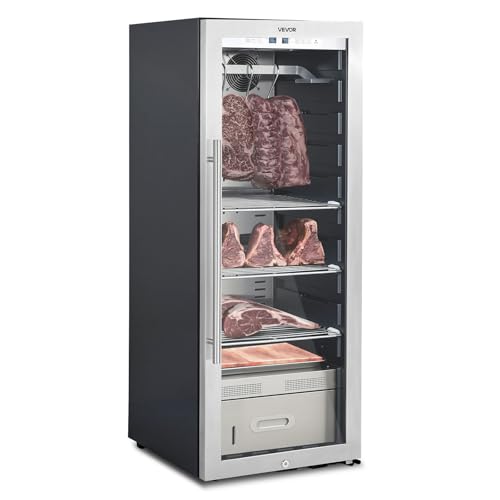
This unit is built for larger aging projects with a total capacity of 232 lbs. It uses removable hooks, shelves, and trays for organized aging, with a temperature range from 34°F to 77°F and humidity from 60% to 85%. The digital control panel helps tailor the environment for beef, pork, lamb, or even cheeses. Best for home chefs who want a dedicated aging fridge with scalable capacity, and for small operations that need batch aging without frequent refills. A limitation is that Himalayan salt is not included, so buyers must source their own aging medium if following salt-based aging methods.
Jocisland Dry Age Fridge 110L
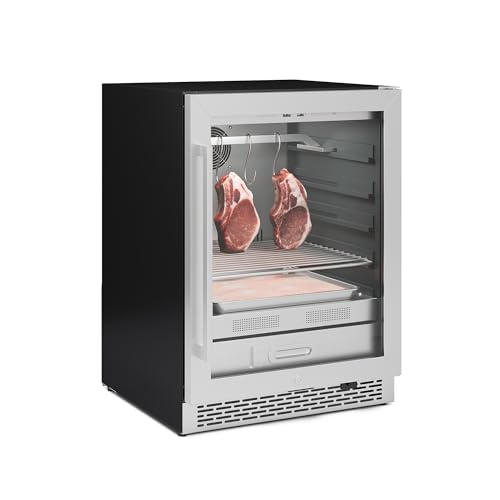
The Jocisland model offers precise control of temperature (34°F–77°F) and humidity (60%–85%), plus an advanced air circulation system that ensures stable conditions and even aging. A built-in UV light supports a consistent aging chamber environment, and the unit includes a secure lock for peace of mind. This option is well suited for both home kitchens and small-scale restaurants seeking reliable performance in a compact footprint. A potential limitation is the need to manage the moisture and water tank to maintain optimal humidity levels.
UMAi Dry Aging Bag for Steaks (B00HUS4J4S)

UMAi Dry bags are designed for dry aging meat at home without a vacuum sealer. They are especially suitable for ribeye and striploin cuts up to 18 lbs per bag, providing a simple path to 28–45 days of aging. The 3-pack format makes it practical for beginners who want a straightforward aging process. Best for home cooks who prefer a bag-based approach or who lack space for a dedicated aging fridge. A limitation is that the aging results depend on proper bag usage and environment outside the fridge, which may vary with kitchen conditions.
UMAi Dry Aging Bag for Steaks (B086L6F9NQ)

These UMAi bags are sized for brisket or bone-in ribeye cuts up to 20 lbs. They support dry aging for 28–45 days and are presented as a hands-off aging option that reduces the need for a dedicated aging unit. Best for seasoned home meat crafters who want to experiment with larger bone-in cuts without installing a fridge. A caution: results hinge on proper bag fit and environment during aging.
Upstreman 149 LBS Dry Aging Fridge

The Upstreman model combines a compact footprint with substantial capacity (149 lbs) and a feature-rich aging environment. It includes precise electronic controls for temperature (34°F to 77°F) and humidity (60%–85%), a built-in UVC air purification cycle, and a protective glass door with UV protection. This makes it a strong pick for those who want professional-grade aging in a home or small commercial setting. A potential limitation is that the unit is designed for a professional aging workflow, which may require careful scheduling and monitoring.
Buying Guide
What should you consider when choosing a dry aging setup for steak?
- Capacity vs. space: Choose a fridge or bag system that matches the amount of aging you plan to do without overloading your kitchen or workspace.
- Control range: Look for adjustable temperature and humidity ranges that fit different beef cuts and aging durations.
- Air circulation: A consistent air flow prevents uneven aging and off flavors. Consider built-in circulation or a dedicated fan module.
- Security and sanitation: Features like locks, UV light, and air purification help maintain a clean aging environment.
- Salt and aging media: Some models require Himalayan salt or other media; verify what is included or needed to avoid extra costs.
- Versatility: If you want to age other meats or cheeses, ensure the environment supports varied humidity and temperatures.
How to choose between a dry aging fridge and aging bags?
Dry aging fridges provide a controlled environment with consistent airflow and humidity, beneficial for longer aging or larger batches. Aging bags offer simplicity and flexibility for smaller scales or occasional aging without heavy equipment. For larger households or commercial use, a dedicated dry aging fridge often delivers more consistent results. For occasional home experiments, UMAi bags are a budget-friendly, space-saving option.
What maintenance is required?
Regularly monitor humidity and temperature settings, inspect seals, and clean interior surfaces as needed. If your unit uses UV or air purification, follow the manufacturer’s maintenance guidance to preserve effectiveness.
Are there safety considerations?
Use proper handling for raw meat, keep the aging unit away from other foods that might be affected by odor, and ensure the unit is properly secured if in a busy kitchen or restaurant environment.
What’s a reasonable aging timeline?
Common aging windows range from 21 to 45 days, depending on cut size, environment, and flavor target. Smaller cuts may age well in shorter periods, while bone-in or larger roasts may benefit from longer aging, up to several weeks.
FAQ
- What’s the best option for beginners? UMAi aging bags offer a simple, no-fridge starting point for home cooks new to dry aging.
- Can I age different meats at once? Yes, but you should separate products to avoid cross-flavor transfer and ensure each item’s specific humidity needs are met.
- Is a built-in UV light necessary? It helps maintain a controlled aging chamber but is not strictly required for all setups.
- Do I need Himalayan salt? Some models note salt is not included; check your aging method and whether salt is required for your process.
- Is a dedicated aging fridge worth it? For frequent or large-batch aging, a dedicated fridge provides stable conditions and easier long-term use.
- Can I age beef at room temperature? No. Aging requires a controlled environment to prevent spoilage and ensure safe aging.