Best Dry It Out Dehumidifier: Top Picks for Home, Basement, and Small Spaces
Staying ahead of moisture is essential for protecting belongings, improving comfort, and preventing mold. This guide highlights five top dehumidifiers that excel at removing excess humidity in homes, basements, closets, and small spaces. Each pick concentrates on reliability, ease of use, and energy efficiency to help American households maintain a drier environment.
The following table summarizes the five selected products, featuring brand, room suitability, and notable strengths to help you compare options at a glance.
| Product | Brand | Best For | |
|---|---|---|---|
| Eva-Dry Wireless Mini Dehumidifier E-333 | Eva-Dry | Small spaces, closets, cars | |
| 5000 Sq.Ft Dehumidifier by Manastin | Manastin | Larger rooms, basements | |
| GE Portable Dehumidifier | GE | Basements, garages, damp spaces | |
| 3000 Sq.Ft Dehumidifier by Erizolt | Erizolt | Home humidity control, apartments | |
| Eva-Dry E-500 Renewable Dehumidifier 2-Pack | Eva-Dry | Closets, safes, small spaces |
Eva-Dry Wireless Mini Dehumidifier E-333

This compact dehumidifier is designed for small spaces where spill risk or cords are concerns. Its no-mess operation relies on silica gel beads that absorb moisture, making it suitable for closets, cars, boats, gun safes, and small storage areas. The unit is touted as non-toxic and safe for homes with children and pets. It can handle areas up to about 333 cubic feet and typically lasts 20–30 days per recharge, giving a low-maintenance moisture management solution. Its small footprint and hanging or placing versatility enhance its convenience for space-limited environments.
5000 Sq.Ft Dehumidifier (Manastin)
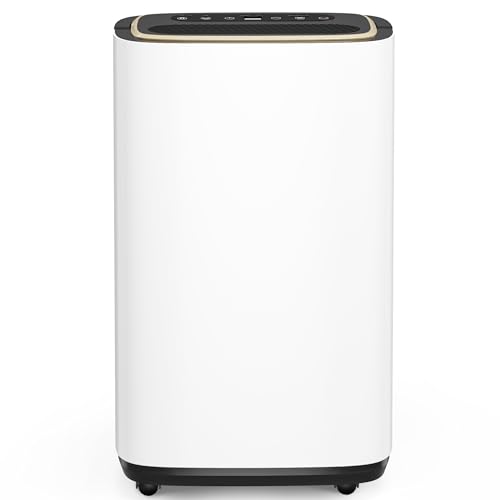
Designed for larger spaces, this Manastin model targets basements, living areas, and open rooms up to about 5,000 square feet. It combines strong moisture removal with energy-efficient compressor performance. Three modes include dehumidify, dry clothes, and air circulation, while the 1.6-gallon (almost 6.0 liters) water tank reduces frequent emptying. A long 60-inch drainage hose is mentioned to reach distant drains, and the design emphasizes quiet operation and safety features to ensure reliable use in daily living environments.
GE Portable Dehumidifier (50 Pint)
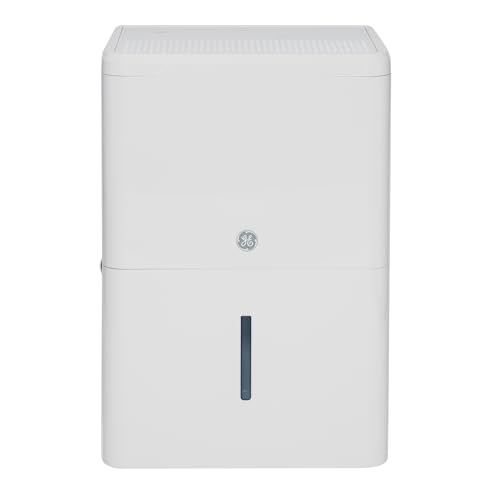
GE’s portable model targets spaces with higher humidity, removing up to 50 pints per day. It features a built-in pump and a drain hose that enables continuous drainage up to 16 feet away, reducing the need to monitor the unit. The product automatically adjusts fan speed based on humidity, contributing to efficient operation and more consistent comfort in basements, garages, and damp rooms. The design emphasizes quiet performance for living areas where noise matters.
3000 Sq.Ft Dehumidifier by Erizolt

Erizolt’s compressor dehumidifier covers about 3,000 square feet with a focus on flexible daily use. It offers three modes (dehumidify, dry clothes, and circulate) and provides humidity control from 40% to 70% RH. The unit is designed to handle damp basements, bathrooms, and laundry areas, delivering a balance between performance and energy efficiency. The included drainage and auto-defrost features help maintain dependable operation across seasons.
Eva-Dry E-500 Renewable Dehumidifier 2-Pack
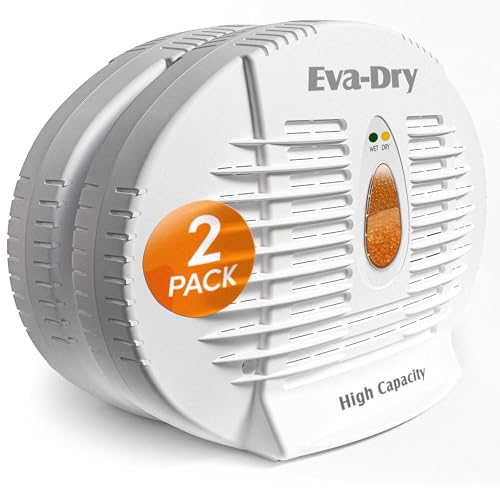
The E-500 is a renewable dehumidifier designed for small, enclosed spaces such as closets, safes, boats, and RVs. It promises long life—up to ten years—by recharging without refills, reducing waste and ongoing cost. Its wireless operation makes it suitable for areas without convenient electrical access, delivering moisture control with no cords or batteries, and silent operation ideal for quiet spaces like bedrooms and workrooms.
Buying Guide: Key Purchase Considerations
- Room size and coverage: Match the dehumidifier’s recommended space to your area. Smaller units work best in closets or cars, while larger spaces like basements may require 50-pint or higher models.
- Drainage options: Decide between continuous drainage with a hose, built-in pumps, or manual draining. Pumps and hoses reduce maintenance in damp spaces, but may require placement near drainage points.
- Modes and climate adaptability: Look for units offering multiple modes (dehumidify, dry clothes, air circulation) and features like auto-defrost for colder environments or auto shut-off for tank-full alerts.
- Noise level: In bedrooms and living areas, consider models with low decibel operation to minimize disruption.
- Energy efficiency: For long-term use, prioritize efficient compressors and fans, especially in basements or open-concept spaces where the unit runs longer.
- Portability and design: Compact, lightweight units or renewable desiccants suit small spaces; consider cord placement and ease of installation when selecting a location.
- Maintenance and longevity: Renewable options reduce ongoing refill needs; check for replaceable filters, desiccant availability, and warranty coverage to gauge long-term value.
When selecting a dehumidifier, assess not only the space but the humidity level you typically encounter. For frequent dampness in basements or laundry areas, models with a higher pint-per-day rating and flexible drainage offer the most practical solutions. For smaller protected spaces, rechargeable or renewable units can provide a clean, low-maintenance option. Understanding the trade-offs between continuous drainage, noise, and energy use will help tailor the best choice to your home environment.