Best Easiest Sewing Machine to Thread for Quick Fixes
The easiest sewing machines to thread combine automatic needle threading, simple bobbin loading, and intuitive controls. This guide highlights machines that are beginner-friendly, focus on easy threading, and suit different casual projects. The top picks target beginners, crafters, kids, and travelers who want reliable threading with minimal fuss. Read on to compare features, benefits, and practical caveats for each option.
| Product | Best For | Why It Stands Out |
|---|---|---|
| Brother XM2701 | Beginner to Intermediate | Auto needle threader and drop-in bobbin simplify threading, plus 27 stitches for versatile sewing. |
| Powerhelper Mini Sewing Machine | Space-Savers & Kids | Extremely compact with beginner-friendly operation, ideal for small spaces and learning basics. |
| KPCB Tech Full Set Mini Machine | Project Starters | Includes fabric bundles and guided tutorials, great for practice and school projects. |
| TYGVM Portable Cordless Handheld | Travel & Quick Repairs | Two modes and cordless convenience, best for on-the-go mending and light tasks. |
| Brother CS5055 | Home Crafters | 60 stitch options and easy needle threading with a top-loading bobbin for smooth use. |
Brother XM2701: Lightweight, 27 Stitches

The Brother XM2701 offers 27 built-in stitches, including decorative, zigzag, and stretch stitches, plus an auto-size buttonhole. It features an automatic needle threader and a drop-in top bobbin for jam-free operation. Six included feet and standard accessories support a range of projects. Best for: beginners who want quick threading setup and a solid base for basic garments and crafts. Caution: more advanced features require a bit more learning compared to the pure beginner models.
Powerhelper Mini Sewing Machine

This compact machine is designed for beginners with eco-friendly materials and clear safety cues. It’s easy to operate, making it a solid choice for learners who need a simple, reliable start. Best for: students, kids, and crafters with limited space who want a straightforward, low-risk sewing experience. Limitation: its basic feature set may not satisfy more complex projects requiring heavy fabric handling.
KPCB Tech Full Set Mini Machine
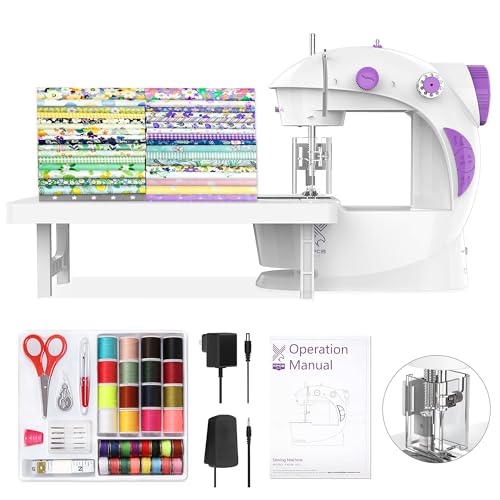
Designed for beginners, this mini machine includes finger guards and a slow stitch option, plus fabric bundles and tutorial videos. It supports practice projects and school assignments through guided content. Best for: learners who want structured practice materials and visual guidance. Caution: as a bundled set, assembly and usage may require referencing the included tutorials for optimal results.
TYGVM Portable Cordless Handheld
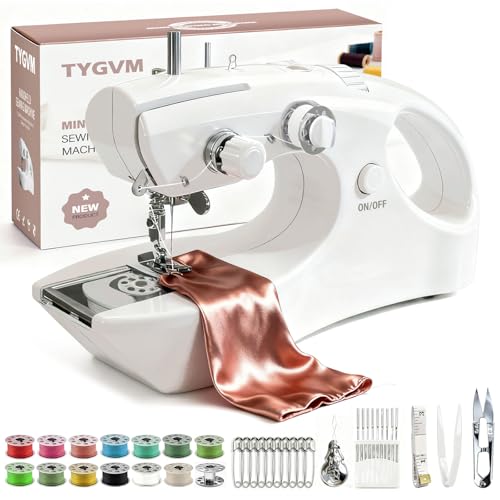
This handheld machine offers two modes for stitching and supports cordless operation with batteries or USB power. It handles lightweight fabrics well and is ideal for quick repairs. Best for: travelers, busy parents, and hobbyists who need portable, on-the-go sewing. Limitation: not ideal for heavy fabrics or long garment construction sessions; best for quick fixes and small projects.
Brother CS5055 Computerized

The CS5055 provides 60 built-in stitches, an LCD display, and seven feet for versatility in home projects. It also features an improved needle threader and a jam-resistant top bobbin for smoother threading. Best for: home crafters who want a computerized setup with extensive stitch options. Caution: more features mean a steeper learning curve compared to strictly mechanical machines.
Buying Guide: Easiest Threading, Best Fit
- Automatic needle threader and drop-in bobbin: Prioritize models with these features for painless threading. This reduces fiddling at the needle and bobbin stage, saving time on every sew.
- Threading complexity vs. project scope: If you mostly mend or create simple garments, a compact machine with basic stitches and a single-button threader may suffice. For quilting or decorative sewing, choose machines with more built-in stitches and a reliable needle threader.
- Portability and space: Small, lightweight machines excel in tight spaces or travel scenarios. If you work at a dedicated sewing desk, a full-size machine with more features can be a better long-term choice.
- Safety features for beginners: Look for finger guards, clear manuals or tutorials, and slow-start options to minimize beginners’ threading mishaps and fabric mishandling.
- Power source and foot control: Cordless handheld options offer portability but limit fabric types they handle. Consider your typical projects to decide between handheld, tabletop, or computerized models.
- Future-proof features: If you anticipate heavier fabrics or more complex projects, select a model with a broader stitch library and durable build to avoid frequent upgrades.
Frequently Asked Questions
- What is the easiest way to thread a sewing machine?
– Use the automatic needle threader if available, follow the threading path in the manual, and ensure the presser foot is raised to release tension. - Are handheld sewing machines easy to thread?
– Handheld models are typically designed for quick repairs; threading is simplified but limited by power and fabric type. - Which brand offers the easiest threading systems?
– Brands with integrated needle threaders and jam-resistant top bobbins tend to be the easiest for beginners. - Can I use these machines for small projects or only basic repairs?
– Most listed models accommodate both basic repairs and a range of beginner to intermediate projects, depending on stitch options and sewing speed. - Do I need a computerized machine to thread easily?
– Not necessarily; many mechanical machines offer easy threading and reliable performance without a computer interface. - What should I consider if I want to upgrade later?
– Look for models with a broader stitch library, automatic needle threader, and compatibility with more quilting or decorative accessories.