Best 3-Prong Electric Range Cords: Safe, Compatible Options for Your Oven or Stove
If you need a reliable 3-prong electric range cord, this guide highlights top-rated options that fit most U.S. ranges and stoves. These cords connect a three-conductor power source to electric ranges, with the middle wire serving as neutral and the outer wires as hot. The following picks are best for homeowners renovating kitchens, landlords equipping rental units, and installers seeking universal compatibility. A quick summary table follows to help you compare essentials at a glance.
| Product | Amperage / Gauge | Length | |
|---|---|---|---|
| Eastman 61268 | 40A / 8 AWG (two) + 10 AWG (one) | 5 ft | Universal compatibility, standard 3-prong outlets |
| Certified Appliance Accessories 40-Amp | 40A; open-end copper eyelets | 5 ft | Simple installation in most kitchens |
| Cable Matters 50 Amp Cord | 50A; SDRT jacket | 5 ft | Older homes with 3-wire stoves |
| Certified Appliance Accessories 30-Amp | 30A; 3-prong, 5 ft | 5 ft | Specialized 30A ranges or dryers in certain setups |
Eastman 3-Prong Electric Range Cord, 40 Amps
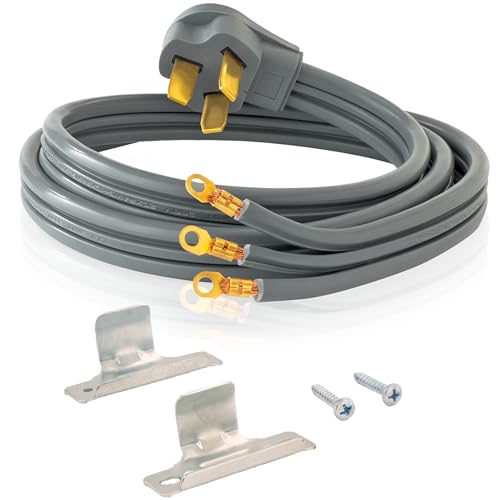
The Eastman 61268 uses two 8-gauge conductors and one 10-gauge conductor to deliver 40 amps through a three-prong outlet. It is designed for universal compatibility with many major range brands, making it a practical choice for mixed-brand kitchens. The neutral wire sits in the center while the outer wires carry current—typical of three-conductor range cords.
Best for: Homeowners or property managers with a standard 3-prong range outlet seeking wide compatibility and a straightforward installation.
Caution: Ensure the cord length and conductor gauges meet your range’s inlet and local electrical codes before installation.
Certified Appliance Accessories 40-Amp Appliance Power Cord
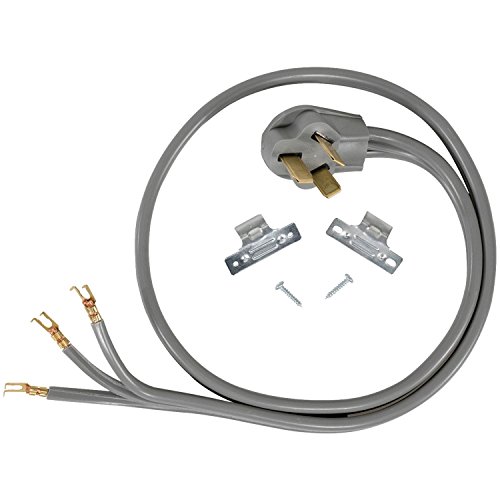
This 40-amp range cord features three wires with open-end copper eyelets and a 250-volt rating, plus a 90-degree angle on one end for easier routing in tight spaces. The simple design prioritizes easy installation when replacing an old cord or wiring a new range. It’s a solid pick for most 40A ranges that require three conductors and eyelet terminations.
Best for: Parts replacers or installers who want a straightforward, field-friendly setup with reliable copper conductors.
Caution: Verify compatibility with your specific range model and the eyelet connectors; some stoves may require a different termination style.
Cable Matters 3 Prong to 3 Wire Range Cord
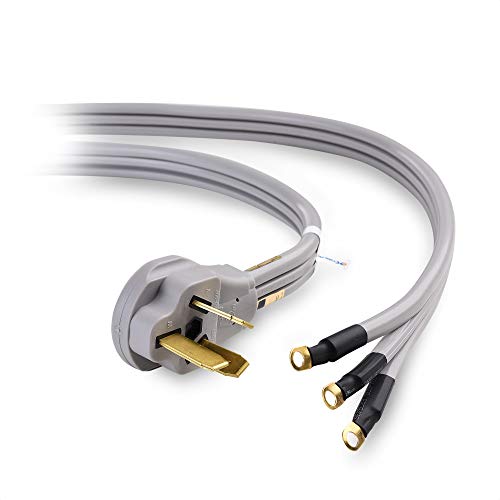
Designed for a 50-amp circuit, this heavy-duty cord is UL Listed for safety and features a durable SDRT jacket rated for up to 300V and 140°F. It fits many 3-wire electric stoves and ovens, including those sold without a power cord. The product supports compatibility with older homes and installations that expect a 3-wire configuration.
Best for: Older homes or installations requiring a higher-amp, durable cord that remains flexible in higher-temperature environments.
Caution: The 50A rating means it may be over-specified for some 3-prong outlets; confirm your range and outlet match before purchasing.
Certified Appliance Accessories 30-Amp Appliance Power Cord
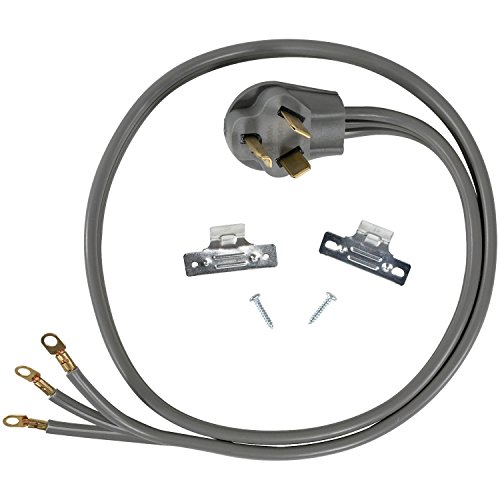
This 30-amp three-prong dryer cord uses closed eyelets and a copper wire configuration suitable for smaller or older appliances that require distinct 30A hardware. The five-foot length provides flexibility during replacement projects in tight laundry or kitchen spaces, aligning with dryer-cord style terminations in some setups.
Best for: Specific 30A appliance outlets or wiring configurations that require a three-prong, small-diameter cord with closed eyelets.
Caution: This cord is limited to 30A circuits; avoid using it with higher-amp ranges unless the range documentation specifies compatibility.
Buying Guide: How to Choose the Right 3-Prong Range Cord
How to pick the correct cord depends on your range’s amperage, outlet type, and installation space. Consider these practical questions and criteria to guide your selection.
- What amperage does your range require? Match the cord’s amp rating to your range’s specification and the outlet’s capacity.
- What gauge is appropriate for your length? Higher gauges (lower numbers) carry more current; longer cords may need thicker conductors for safety.
- Is your outlet three-prong or four-prong? This guide focuses on three-prong configurations; verify your outlet compatibility before buying.
- Are there space constraints behind the range? Some cords with angled ends or specific termination styles help with tight clearances.
- Are there building code considerations or local regulations? Ensure the cord meets regional electrical codes and inspector expectations.
Key comparison points
- Universal compatibility: Eastman 61268 emphasizes broad brand compatibility across major ranges.
- Ease of installation: The 40-Amp and 30-Amp Certified Appliance Accessories cords focus on simple terminations and straightforward setup with copper conductors.
- Durability for older homes: Cable Matters 50 Amp Cord is designed for 3-wire stoves in older wiring environments with a reinforced jacket.
- Specialized needs: The 30-Amp dryer cord is best suited for specific 30A configurations; verify appliance and outlet specs.
Installation tips
Turn off power at the breaker before installation. Inspect the outlet for damage or signs of overheating. Use proper strain relief where applicable and avoid bending conductors sharply. If you are unsure about the correct cord type or installation steps, consult a licensed electrician to ensure code compliance and safety.
Frequently Asked Questions
- Q: Can I use a 50A range cord on a 40A range outlet? A: Do not exceed the range’s rated amperage; use a cord with a rating matching your appliance and outlet.
- Q: Are three-prong cords safer than four-prong cords? A: Safety depends on compatibility with the outlet and range; three-prong cords are common in older setups, while four-prong cords are used in newer configurations with separate ground.
- Q: What does SDRT jacket mean? A: SDRT denotes a specific thermoplastic jacket type designed for durability and heat resistance in high-temperature environments.
- Q: Should I prefer copper eyelet terminations? A: Copper eyelets are common for secure, durable connections in many installations; verify assembly type with your range model.
- Q: How long should the cord be? A: Choose a length that provides enough clearance for safe routing behind the range while preventing tension on the inlet.
- Q: Is a range cord included with my new range? A: Some ranges ship with a cord, but replacement or upgrades may require a separate purchase; verify with the seller or installer.