Best Espresso Machines Not Made in China for Home Baristas
Answering the search for espresso machines not made in China, this guide highlights five reliable options from brands with manufacturing histories outside China. These picks suit different buyer types—from beginners wanting simple setup to serious home baristas seeking built-in grinders and advanced steam wands. Below is a concise product table, followed by in-depth sections to help you compare features, limits, and suitability at a glance.
| Product | Brand | Best For | Notes |
|---|---|---|---|
| De’Longhi Classic Signature Espresso Machine | De’Longhi | Everyday espresso lovers | 15-bar pump, Thermoblock, adjustable frother |
| Breville Barista Express Espresso Machine BES870XL | Breville | Hands-on home baristas | Integrated grinder, 4 keys formula |
| De’Longhi UPGRADED All-in-One COM532M | De’Longhi | Combo coffee and espresso | Dual heating, Italian 15-bar pump |
| Aromaster Espresso Machine 20 Bar | Aromaster | Compact home/office use | 20-bar system, milk frother |
| Chefman CraftBrew Espresso Machine | Chefman | Budget-friendly, versatile | 15-bar pump, built-in steam wand |
De’Longhi Classic Signature Espresso Machine

The De’Longhi Classic Signature uses a 15-bar Italian professional pump to deliver optimal extraction for lattes, cappuccinos, and more. Thermoblock technology ensures fast, precise temperature control for consistent shots. An adjustable 2-setting steam wand makes milk frothing flexible, from silky textures to microfoam suitable for latte art. This option is best for buyers who want a straightforward machine with reliable heating and good crema without extra bells and whistles. Caution: more features may mean more setup time for beginners.
atatix Espresso Machine With Milk Frother

The atatix model features a 20-bar pressure system designed to saturate coffee grounds and extract robust flavors with a rich crema. Its 44-ounce removable water tank adds convenience for multiple servings. The machine emphasizes temperature stability with an NT C precision temp control, locking onto the 90–96°C range and preheating quickly. Best for homes or small offices that want cafe-like versatility and consistent shots. Limitation: larger footprint than ultra-compact units.
Breville Barista Express Espresso Machine BES870XL

The Breville Barista Express combines a built-in grinder with dose control grinding to deliver the exact amount of coffee directly into the portafilter. It uses an optimal water pressure process that includes pre-infusion to draw out flavors evenly for a balanced cup. This is an excellent choice for aspiring baristas who want to go from bean to espresso quickly. Caution: more complex features may require a learning curve for new users.
De’Longhi UPGRADED All-in-One COM532M
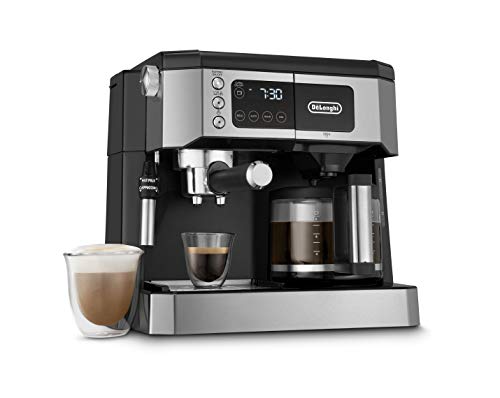
This all-in-one coffee maker blends drip coffee and espresso with a dual heating system. It uses a 15-bar Italian pump for authentic espresso and includes an advanced steam wand for cappuccino and latte beverages. Best for users who want a single machine to handle both espresso and regular coffee quickly. Limitation: may be more compact in overall filter capacity than dedicated espresso machines.
Aromaster Espresso Machine 20 Bar With Milk Frother

The Aromaster machine emphasizes café-level espresso with a 20-bar pump and a built-in milk frother. It offers a touchscreen interface and quick heat-up, making it suitable for busy homes and small offices. Best for buyers who want a modern control surface and strong steam capability. Caution: touchscreen may require careful cleaning to maintain responsiveness.
Chefman CraftBrew Espresso Machine
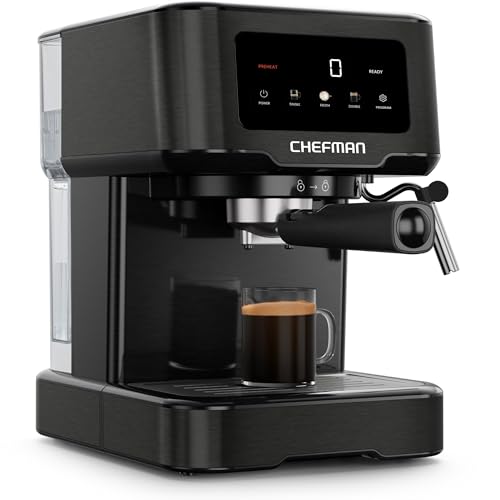
The Chefman CraftBrew provides a strong 15-bar pump and a built-in steam wand for cappuccinos and lattes. Its digital controls and timer help customize shot volume, making it suitable for users who want repeatable results without advanced barista skills. Better for budget-conscious buyers who still want café-style beverages. Caution: some users report longer warm-up times depending on settings.
Buying Guide: Key Considerations for Non-China-Made Espresso Machines
- Power and pressure: Look for machines with at least 15 bars for true espresso; 20 bars can help with crema but ensure the pump maintains consistent pressure.
- Heating system: Thermoblock or boiler systems affect temperature stability and recovery time. Choose based on how quickly you want to switch between drinks.
- Built-in grinder: If you want bean-to-shot convenience, consider a model with integrated grinding. Dose control helps tailor flavor to your roast.
- Milk frothing: A versatile steam wand or automatic frother aids latte art and texture. Two-setting wands offer better control for beginners and pros alike.
- Maintenance: Removable water tanks, accessible descaling routines, and simple cleaning are important for long-term performance.
- Footprint and footprint versatility: Consider counter space and whether you need a combo machine that also brews drip coffee.
- Price vs. features: Higher-end models add grinders, advanced controls, and dual heating but balance against your budget and expected use.
Frequently Asked Questions
- Are these espresso machines made outside of China? Yes, several brands in this list design and manufacture components or entire units outside China, though some parts may be sourced globally. Check the product page for country-of-origin details per model.
- Is a built-in grinder worth it for beginners? A built-in grinder can simplify setup and consistency, but it adds cost and maintenance. Beginners may prefer a separate grinder later if needed.
- What is the main advantage of a 15-bar pump? A 15-bar pump provides sufficient pressure for authentic espresso; higher bars can aid crema but do not guarantee better flavor alone.
- How important is temperature stability? Temperature stability is crucial for consistent extraction and flavor across multiple shots, especially in busy homes.
- Should I choose a dual-heater or thermoblock system? Dual-heater systems allow faster switching between espresso and milk beverages; thermoblock offers quick heating but may have slower recovery during heavy use.
- What maintenance steps minimize issues? Regular descaling, cleaning the portafilter and group head, and using fresh water help maintain performance and flavor over time.