Best Fine Tool Blade Sharpener: Top Picks for Sharp Edges
When your blades lose their edge, you want a reliable sharpener that handles a variety of tools with ease. This guide highlights five select models that suit different needs—from DIY gardeners to professional handymen. Best for hobbyists may be the Byrnetools option, while those tackling rugged garden tools may prefer Diamond or tungsten carbide sharpeners. The list below helps you choose based on blade type, tool range, and practical use cases.
| Product | Best For | Key Benefit |
|---|---|---|
| Byrnetools Oscillators Blade Sharpener CBN Gear Grinder | General-purpose blade touch-ups | Long-lasting CBN for consistent sharpening |
| Sharp Pog Oscillating Saw Blade Sharpener | Oscillating blades and multi-tools | Simple, dedicated sharpening for saw blades |
| SCOTTCHEN Oscillating Saw Blade Sharpener | Dull blades on multi-tools | High-diamond hardness with frameless design |
| SHARPAL 121N Dual-Grit Diamond Sharpener | Garden tools and blades | Two grit surfaces for quick edge setting and honing |
| Corona Handheld Garden Tool Sharpener | Pruners and garden tools | Tungsten carbide edge for fast sharpening |
Byrnetools Oscillators Blade Sharpener CBN Gear Grinder

Best for everyday blade touch-ups where consistent restoration matters. The Byrnetools sharpener uses ultra-durable CBN (cubic boron nitride) to maintain sharp edges with minimal effort. It supports sharpening at various angles, which helps users tailor edge geometry to specific tasks—from pruning to precision cuts. This model is well-suited for hobbyists and DIY homeowners who want reliable results without complex setup. A single sharpening session can quickly bring blades back to a clean, true edge, reducing blade replacement frequency.
Who it’s best for: homeowners and light-duty professionals who prioritize durability and straightforward operation. Why selected: CBN durability and angle-adjustable sharpening provide consistent results across many blade styles. Limitation: not all blade shapes fit every mounting or clamp, so check compatibility with your existing tools before purchase.
Sharp Pog: Oscillating Saw Blade Sharpener

Best for users who work primarily with oscillating saw blades and multi-tools. The Sharp Pog sharpener is designed to restore these blades efficiently, offering a focused sharpening path that minimizes heat buildup and edge rounding. It’s a practical choice for workshop setups where quick blade recovery keeps projects on track. The device is compact enough for portable use, making it ideal for on-site tasks or quick bench-side touch-ups.
Who it’s best for: craftsmen and maintenance technicians who repeatedly service oscillating blades. Why selected: dedicated sharpening for oscillating blades reduces fuss and speeds up edge restoration. Limitation: it may not accommodate larger blades beyond its intended range.
SCOTTCHEN Oscillating Saw Blade Sharpener
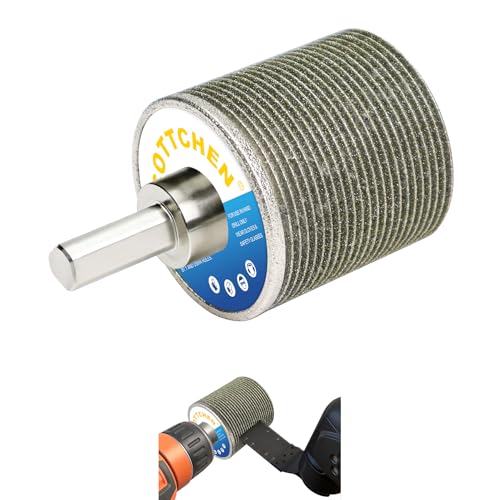
Best for users seeking a robust, frameless design with high wear resistance. This sharpener employs a premium diamond abrasive on an iron substrate to restore dull blades quickly while helping to extend tool life. It’s most suitable for blades up to 35 mm wide, offering flexibility for a range of small to medium-sized saw blades. The upgrade to a frameless form factor improves maneuverability along the blade contour, reducing the risk of edge damage during sharpening.
Who it’s best for: workshop owners and serious DIYers handling many dull blades. Why selected: durability and a flexible sharpening surface for consistent results. Limitation: designed for blades up to about 1-3/8″ wide; wider blades will require alternate tools.
SHARPAL 121N Dual-Grit Diamond Sharpener

Best for garden tools and blades that require a two-step approach. The SHARPAL 121N features two diamond grit surfaces (coarse 325 and extra-fine 1200) to quickly set edges and hone them to a fine finish. It’s a practical choice for pruning shears, mower blades, axes, and chisels. The dry-sharp capability simplifies maintenance, making it suitable for users who prefer quick, oil-free sharpening. The dual surfaces help balance speed and precision in a single tool.
Who it’s best for: gardeners and landscapers needing versatile, fast edge work. Why selected: dual grit provides both rapid edge setting and fine honing. Limitation: dry sharpening may generate more heat for certain high-hardness blades; monitor for overheating during extended sessions.
Orange Ninja 7-in-1 Sharpener

Best all-in-one option for outdoor tools. The Orange Ninja Multi-Sharpener covers axes, hatchets, machetes, pruners, hedge shears, and more with a single tool. It is designed for garden maintenance and outdoor tasks, removing the need to switch devices for different blades. This model is ideal for gardeners who want a portable, consolidated sharpening solution that keeps edges sharp across a wide tool range. It’s especially helpful for campers and outdoor enthusiasts who need dependable field sharpening.
Who it’s best for: gardeners and outdoorsy users seeking a single sharpener for many tools. Why selected: one tool, many blades, convenient for field use. Limitation: may not provide the most precise edge on very small or specialty blades compared to dedicated sharpeners.
Corona Tools Handheld Garden Tool Sharpener

Best for pruning shears, loppers, hedge clippers, and general garden tools. The Corona sharpener uses a tungsten carbide edge to restore a clean blade quickly, with broad applicability across garden cutting tools. Its compact, lightweight design makes it easy to carry in a tool belt for on-the-spot touch-ups. This is a practical option for gardeners who want fast results without carrying multiple sharpeners.
Who it’s best for: gardeners needing a portable, quick-fix sharpener. Why selected: tungsten carbide edge offers fast sharpening on common garden tools. Limitation: may require re-sharpening more often for very high-hardness steel or thicker blades.
Buying Guide: How To Choose A Fine Tool Blade Sharpener
- What tools will you sharpen most often? If you work with diverse blades (garden tools, pruning shears, axes), consider a multi-tool sharpener with broad compatibility. For routine mower blades or heavy-duty work, a diamond or carbide sharpener may be more durable.
- Which sharpening surface suits your blades? Diamond surfaces excel on hard steels and smooth honing, while tungsten carbide edges are great for quick touch-ups on softer blades. If you prefer dry sharpening, look for models marketed as oil-free.
- Portability vs. bench use: Do you need a compact device for field use or a larger stationary sharpener for a workshop? Frameless designs can offer more flexibility, but ensure they fit your blade shapes.
- Blade width and angle range: Check the maximum blade width and supported sharpening angles. Some sharpeners are limited to blades up to about 1-1/2 inches wide, while others handle wider blades.
- Ease of use and safety: Look for stable bases, suction or clamps, and intuitive operation. A strong suction base reduces the risk during sharpening, especially for beginners.
FAQ
- What is the main difference between diamond and carbide sharpeners?
Diamond sharpeners use a diamond abrasive for long-lasting, precise edges on hard steels; carbide sharpeners rely on tungsten carbide edges for fast, rough sharpening or edge setting. - Can I sharpen all blade types with these sharpeners?
Most models target common garden tools, blades, and oscillating tool blades; verify blade width and material compatibility before relying on one tool for all edges. - Do these sharpeners require oil?
Some models are designed for dry sharpening, while others may recommend light lubrication. Follow the product guidelines for best results. - Is a frameless design better?
A frameless design can offer more flexible contour contact, but may require careful handling to avoid blade damage. Choose based on your blade shapes and comfort level. - What safety features should I look for?
Stable bases, secure clamps or suction, and clear instructions help prevent slips and ensure controlled sharpening. - Are these sharpeners suitable for professional use?
Yes, several models are designed for repetitive sharpening tasks. Consider durability, blade compatibility, and maintenance needs when choosing for professional use.