Best Food Shredder for Compost: Top Picks for Efficient Kitchen and Yard Waste Recycling
Answering the common buyer question: which food shredder or composter helps convert kitchen scraps and yard waste into nutrient-rich compost efficiently? The best options here cover indoor food recycling, outdoor yard waste shredding, and dedicated vegetable shredders that support composting workflows. This guide targets homeowners, urban gardeners, and small-scale chefs who want clean, odor-controlled, and safe tools to reduce waste and boost soil health.
Summary of chosen products
| Product | Best For | Key Benefit |
|---|---|---|
| EWORK Wood Chipper, 15 Amp | Outdoor yard cleanup | High torque, 1.77″ cut capacity, heavy debris mulching |
| Earthwise GS70015 15-Amp Chipper | Dry branches and garden debris | Efficient mulching for compost-ready material |
| KEEPEEZ 1 Gallon Electric Kitchen Composter | Indoor food waste to compost | Smart grinding, auto-adjust cycles, odor control |
| AIRTHEREAL SHARKSDEN Kitchen Composter | Compact kitchen waste processing | Tri-blade design, easy one-button operation |
| American Eagle Vegetable Shredder Attachment | Raw vegetable prep for compost | Commercial-grade shred capabilities for prep waste |
EWORK Wood Chipper For Yard Debris And Mulch
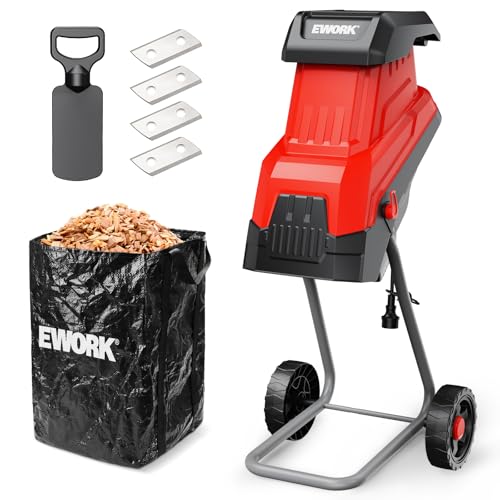
The EWORK EK-DT8401 is a 15-amp electric wood chipper with a 1.77-inch maximum cutting capacity and a 15:1 reduction ratio. It uses 4 steel blades designed to turn branches, leaves, and yard debris into fine mulch suitable for compost piles. The chipper includes an anti-jam safety system with a hopper lock and overload protection. It’s best for homeowners with medium to large yard waste who need fast volume reduction and mulching before composting. A potential limitation is that very wet material can reduce efficiency and may require proper feed control to avoid clogs.
Earthwise GS70015 15-Amp Garden Chipper
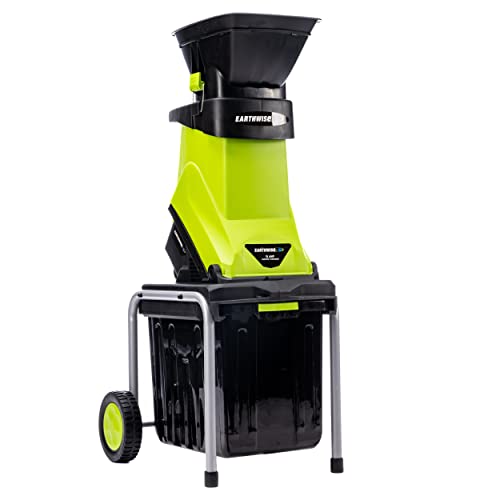
The Earthwise GS70015 provides a powerful 15-amp motor capable of handling dry and aged material up to 1.5–1.8 inches thick. It is optimized for dry branches and yard debris, producing a fine mulch that accelerates composting. It is less effective with green, moisture-rich material, which can reduce efficiency. For composting workflows, this chipper is ideal for pre-processing seasonal cleanup and preparing mulch that blends well with carbon-rich browns.
KEEPEEZ 1 Gallon Electric Kitchen Composter

The 1 Gallon Electric Kitchen Composter from KEEPEEZ uses four Sharksden grinding blades and real-time sensors for temperature and humidity adjustments. It targets indoor food waste and bone-in scraps, turning them into a dry compost powder. It emphasizes odor control, quiet operation, and a low energy footprint per cycle. The unit is best for small households seeking a compact, automated solution for frequent kitchen scraps. A potential limitation is capacity; it handles modest amounts per cycle and may require cycling to keep up with larger households.
Airthereal Revive Kitchen Composter With SHARKSDEN Blades

The Airthereal Revive uses SHARKSDEN tri-blade technology to grind and dry food waste into a powder suitable for composting or garden use. It is designed for ease of use with a 2.5-liter capacity and a one-button operation. The unit is intended for steady kitchen-level waste reduction and odor-minimization, making it a solid option for apartment or small-home setups. A limitation may be the processing speed relative to larger households; multiple cycles may be needed to keep up with daily waste generation.
American Eagle Vegetable Shredder Attachment

This vegetable shredder attachment from American Eagle is designed for commercial-grade prep and versatile shredding of vegetables, making it a practical accessory for reducing kitchen waste prior to composting. It’s suited for users who already have compatible equipment or who frequently prepare large quantities of produce. A potential limitation is that it requires compatible hardware; not all setups will support this attachment without additional equipment.
Buying Guide: Key Purchase Considerations
- Waste type and moisture: Choose a unit optimized for dry yard debris (wood chippers) or moist kitchen scraps (indoor composters). Wet material can slow shredding and reduce mulch quality.
- Capacity and throughput: Indoor composters vary from 1–2 liters to several gallons. For households with high waste output, select a higher capacity model or a separate outdoor chipper for yard waste.
- Odor control and noise: Look for sealed lids, carbon filtration, and low-noise operation to suit indoor use and apartments.
- Power source and mobility: Electric models are quiet and easy to operate; gas options deliver more power for large amounts. Consider weight and portability for your space.
- Maintenance and safety: Overload protection, jam prevention, and simple reset procedures extend lifespan and reduce downtime. Ensure blades are accessible for cleaning or replacement.
- Integration with composting workflow: Choose products whose output is readily usable as mulch or compost amendment, and plan for storage space for processed material.
FAQ
- What is the main difference between a yard chipper and a kitchen composter?
– Yard chippers shred branches and yard waste into mulch for outdoor composting; kitchen composters process food scraps into a dry, ready-to-use compost material or powder for indoor use. - Can I use green, moist material with a yard chipper?
– Moist material may reduce efficiency and increase jams; dry, seasoned material typically performs better. - Is an electric kitchen composter safe for apartment use?
– Yes, designed for indoor use with odor control and low noise, but capacity limits mean smaller households benefit most. - Do I need additional equipment to use the vegetable shredder attachment for composting?
– It depends on your existing setup; some attachments require compatible machinery to operate. - What is the best option for small households with limited space?
– Indoor composters like the KEEPEEZ or Airthereal models provide compact, odor-controlled waste processing for urban homes. - Can these devices completely replace trash disposal for kitchen waste?
– They significantly reduce waste but typically do not eliminate the need to manage some packaging, non-organic waste, or non-compostable items.