Best Fridge Water Hose Connectors for Easy Ice Maker and Filter Setups
Finding the right fridge water hose connector can prevent leaks, ensure a secure seal, and keep ice and water systems functioning smoothly. This guide highlights five reliable options suited for common refrigerator water line connections, ice makers, and inline filters. Ideal buyers include DIY homeowners, apartment renters upgrading lines, and small office setups needing quick, tool-free connections. Each product below is evaluated for compatibility with 1/4″ or 5/16″ tubing, ease of installation, and durability. A quick comparison table follows to help you choose at a glance.
| Product | Brand | Best For | Notes |
|---|---|---|---|
| Poweka WR02X11330 5/16″ x 5/16″ Water Line Connector | Poweka | GE refrigerators and similar 5/16″ lines | Plastic quick-connect; replacement parts listed |
| Yejesiy 4 Ft Stainless Steel Washers Hoses | Yejesiy | Washer connections and hot/cold supply lines | Two-pack; stainless steel; long runs |
| E-outstanding 5-Pack Quick Pipe Fittings | E-outstanding | 5/16″ plastic straight connectors | Push-in, tool-free; multi-pack |
| GIOKALRT WR02X11330 5/16″ x 5/16″ Connector | GIOKALRT | GE-style fridge lines and replacements | Multiple replacement part numbers listed |
| Certified Appliance Ice Maker Water Line | Certified Appliance Accessories | Ice maker lines with braided stainless steel | 1/4″ compression; durable stainless braid |
Poweka 5/16″ Refrigerator Water Line Connector

Best for GE-style 5/16″ lines, this connector is designed to replace WR02X11330 and matches several related part numbers. It is a quick-connect plastic fitting that interfaces 5/16″ tubing to 5/16″ tubing, using an 8mm to 8mm fitting size. Choose this if you need a straightforward, no-tools connection for standard plastic water lines in GE and similar refrigerators. Limitation: plastic construction may be less durable under heavy flexing or high-pressure conditions.
Yejesiy Stainless Steel Washer Hoses (4 Ft, 2-Pack)

Best for replacing hot and cold water supply lines with a 3/4″ standard interface, these braided hoses are designed for durability and leak resistance. They feature two-ply PVC cores with brass nuts and thick gaskets, suitable for both hot and cold water environments. Choose this set if you need longer runs or a visible, durable upgrade for laundry or appliance hookups. Caution: intended for washer connections; verify compatibility with refrigerator lines before use in non-washer scenarios.
E-outstanding 5-Pack Quick Pipe Fittings

Best for easy, tool-free connections, this five-pack provides straight 1/4″ plastic push-in fittings. They are designed to connect water lines quickly by inserting the pipe and using a blue retention card for removal. Choose for quick upgrades to RO or ice-maker lines where a simple push-in connection is preferred. Limitation: generic fit may require trimming or testing for tight seals on older piping systems.
GIOKALRT WR02X11330 5/16” x 5/16” Connector

Best for replacement in GE-style systems with WR02X11330 compatibility, this 5/16″ x 5/16″ connector lists several compatible part numbers to help ensure fit. It is a practical option for homeowners replacing worn fittings while aiming to minimize leaks. Choose this if you need a direct compatibility match for common GE refrigerator lines. Caution: verify the exact part number fit before purchasing to avoid mismatches.
Certified Appliance Ice Maker Water Line
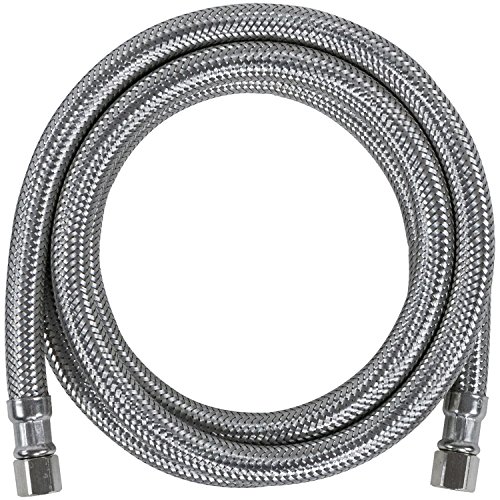
Best for an ice maker setup requiring a braided stainless steel line, this 5-foot connector uses 1/4″ compression fittings with washers. The braided stainless steel adds puncture and kink resistance, making it a solid choice for long-lasting use in refrigerators or ice makers. Choose this for durability and a secure seal in standard 1/4″ connections. Caution: ensure your fridge’s inlet fits 1/4″ compression fittings; some models use alternative sizes.
Buying Guide
What tubing size do I need?
Most fridge connectors use 1/4″ or 5/16″ tubing. Verify your refrigerator’s inlet size before buying to ensure a proper seal and to avoid leaks.
Plastic vs. braided steel: which is better?
Plastic fittings are lightweight and quick to install, ideal for short-term or lighter-use setups. Braided stainless steel hoses offer greater durability and kink resistance, better for long runs or high-traffic kitchens and laundry areas.
Push-in vs. compression fittings
Push-in (quick-connect) fittings are tool-free and fast, suitable for DIY upgrades. Compression fittings provide a more secure, tight seal but may require tools and care to avoid over-tightening.
Compatibility and replacement part numbers
Look for part numbers that match your model (for example WR02X11330 and related replacements). Using compatible part numbers reduces the risk of mismatch and leaks.
Installation tips for a leak-free setup
- Shut off water supply before replacing any line.
- Check for nicks or damage on tubing ends; trim if necessary for a clean seal.
- Test the system at low pressure first, then gradually restore full pressure.
- Inspect connections after a few hours of use for any signs of dripping.
Maintenance considerations
Regular inspection of fittings and hoses helps prevent leaks. Replace aging hoses every few years or sooner if you notice wear, rust, or cracks in the metal braid or plastic connectors.
FAQ
- Q: Do I need a plumber to install fridge water line connectors?
- A: Not typically. Many connectors are designed for DIY installation with basic tools and standard tubing sizes.
- Q: Can I use a 5/16″ connector with 1/4″ tubing?
- A: No. Use the correct size that matches both ends of the line to prevent leaks.
- Q: Are braided lines safer than plastic fittings?
- A: Braided lines generally offer better durability and leak resistance under pressure, especially for longer runs.
- Q: How can I tell if a connection is leaking?
- A: Look for visible moisture, damp spots, or water pooling around the connection after turning the water back on.
- Q: What is the typical lifespan of fridge water line connectors?
- A: Lifespan varies by material and use; braided lines tend to last longer than plain plastic fittings in high-use areas.