Best 7.0 Cu Ft Gas Dryers for Efficient Home Laundry
Choosing a 7.0 cu ft gas dryer combines ample capacity with efficient performance, helping households handle large loads while controlling energy use. This guide highlights five solid options, including Kenmore and LG models, that align with typical American laundry needs—wrinkle prevention,Smart sensors, and durable construction. Use the quick reference below to compare features, then read detailed sections to understand each dryer’s strengths and how they fit your space and routines.
| Brand | Model | Key Benefit | Type |
|---|---|---|---|
| Kenmore | 7.0 cu. ft. Front Load Gas Dryer (Wrinkle Guard) | Wrinkle reduction, Smart Sensor Drying | Gas |
| Kenmore | 7.0 cu. ft. Front Load Gas Dryer (Wrinkle Guard, LED) | Low wrinkles, LED status | Gas |
| Maytag | MED5030MW 7.0 cu. ft. Electric Dryer | Moisture sensing, Quick Dry | Electric |
| GE Profile | 7.2 cu. ft. Vented Electric Dryer | Auto Dry, Extended Tumble | Electric |
| LG | 7.3 cu. ft. Gas Dryer | Sensor Dry, ENERGY STAR | Gas |
Kenmore 7.0 Cu. Ft. Front Load Gas Dryer With Guard
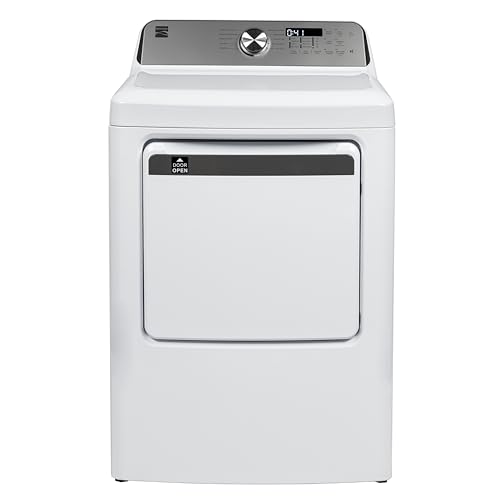
This Kenmore model offers 10 drying cycles and 6 options designed to handle a variety of fabrics. Energy Saver mode helps reduce energy usage by up to 7.6% compared with a normal cycle, and the Wrinkle Guard option tumbles clothes intermittently after cycles to minimize wrinkles. Smart sensors monitor moisture to prevent over-drying, preserving fabric integrity and color. Ideal for households needing reliable performance on mixed loads, including non-washable items that require special care.
Kenmore 7.0 Cu. Ft. Front Load Gas Dryer With Wrinkle Guard
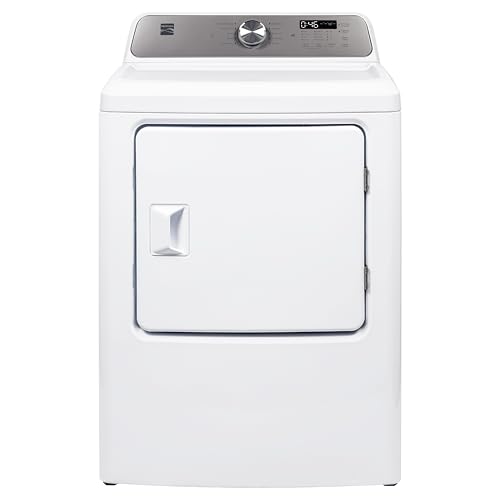
This variant emphasizes Wrinkle Guard to minimize post-dry wrinkles and keeps linens looking fresh. The dryer includes 10 drying cycles and 2 options, with smart sensing to adjust dryness. Like the other Kenmore model, it focuses on reducing over-drying while delivering dependable performance for everyday laundry needs, including items that benefit from careful heat control.
Maytag MED5030MW 7.0 Cu. Ft. Electric Dryer

Although electric rather than gas, this Maytag model features Extra Power to boost drying on heavy fabrics, plus built-in moisture sensing that stops cycles at the right dryness level. The Quick Dry option serves smaller loads when speed matters, and sensors help protect fabrics from over-drying. It serves as a benchmark for comparing how electric designs differ from gas options in cycle logic and energy use, particularly in busy households.
LG 7.3 Cu. Ft. Gas Dryer

LG’s 7.3 cu ft gas dryer combines a large capacity with Sensor Dry technology that detects moisture and adapts cycle length to prevent over-drying. ENERGY STAR certification reflects efficient performance, helping to reduce utility costs over time. The extended options support wrinkle management and lint control, making it a strong pick for families that prioritize both reliability and energy efficiency in a gas-powered model.
Hotpoint Gas Dryer With Auto Dry – 6.2 Cu. Ft.

Hotpoint presents a gas-powered option with Auto Dry that senses moisture to adjust drying, and a sizable 6.2 cu ft drum suitable for large families. The reversible door enhances placement flexibility in tighter laundry rooms. This model emphasizes practical efficiency and straightforward operation for everyday loads, including bulkier textiles and towels that demand steady heat and airflow.
LG 7.4 Cu. Ft. Gas Dryer With Sensor Dry
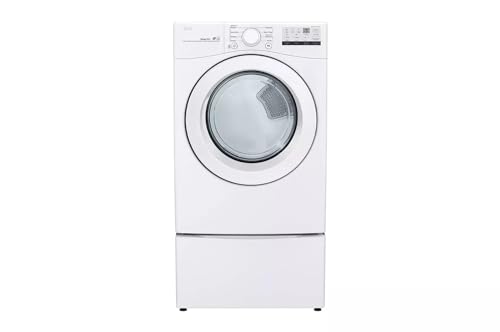
LG’s 7.4 cu ft gas dryer focuses on Sensor Dry to tailor cycles to the moisture content, balancing speed and fabric care. With a spacious drum and vented gas drying, it enables efficient moisture removal while maintaining energy-conscious operation. This model suits households seeking a larger-capacity gas dryer with modern sensor technology and straightforward controls for routine laundry tasks.
Buying Guide: Key Purchase Considerations
- Gas vs Electric: Gas dryers typically heat faster and may cost less to operate in many regions, but installation requires a gas line and venting. Electric models avoid gas venting considerations but may consume more electricity over time.
- Capacity and Size: A 7.0 cu ft drum suits families with regular to large loads. Measure available space, including a vertical clearance for venting and door swing.
- Moisture Sensing: Sensor Dry systems help prevent over-drying, protecting fabrics and reducing cycle time variations. Look for models with moisture sensors that automatically stop when clothes are dry.
- Wrinkle Reduction: Wrinkle Guard or similar features tumble clothes after cycles to minimize wrinkles, reducing ironing needs and preserving garment appearance.
- Energy Efficiency: ENERGY STAR certification and energy-saving modes can lower utility bills. Compare cycles that balance dryness level and energy consumption.
- Durability and Cycles: A versatile set of drying cycles (cotton, synthetic, delicate, bulky) ensures proper care. A model with multiple options for non-washable items expands versatility for households with varied fabrics.
- Maintenance: Consider lint filtration design, ease of cleaning, and accessibility of ventilation paths. Regular lint removal improves efficiency and safety.
- Warranty and Support: Check the manufacturer’s warranty length and coverage for parts and labor. Support availability matters for appliance-heavy households.
Across these options, the choice depends on space, fuel availability, and laundry habits. The Kenmore models emphasize wrinkle control and sensor-based drying, while LG offers large-capacity, sensor-driven efficiency. Hotpoint provides a practical, budget-friendly gas option with flexible door placement. Maytag and GE profiles illustrate the broader landscape of capacity and cycle flexibility in electric alternatives if a gas installation isn’t feasible. Consumers should align the final pick with their room layout, venting capabilities, and preferred balance of speed, fabric care, and energy use.