Best Gas Oven Pressure Regulator: Reliable Options for Home Kitchens
Choosing the right gas oven pressure regulator is essential for safe, efficient operation of home ovens and grills. This guide highlights five well-regarded regulators, covering natural gas and LPG applications, with specs, compatibility, and practical-use notes. Each entry includes a direct link to its Amazon listing, a visual reference, and the key features that matter for performance and safety.
| Product | Brand | Inlet / Outlet | Typical Use | Notes |
|---|---|---|---|---|
| TEENGSE 1/2″ Regulator | TEENGSE | 1/2″ FPT inlet/outlet | NG/LPG valve regulation | Includes brass NPT adapters |
| GE WB19K10044 | GE | 1/2″ FPT inlet/outlet | OEM valve and regulator for GE ovens | Genuine OEM part |
| Maxitrol RV48L | MAXITROL | 1″ inlet / 3/4″ outlet | NG regulation for ovens/grills | Low-pressure standard |
| FENDITEK 3/4″ Regulator | FENDITEK | 3/4″ NPT inlet / 3″ outlet | HVAC, boilers, industrial | Wide pressure range |
| Budora 316091711 Compatible Regulator | Budora | 1/2″ FPT / 13/16″ openings | Frigidaire/ Electrolux compatibility | Cross-reference part numbers |
Teengse 1/2″ Gas Regulator With Adapters

The TEENGSE regulator is designed for natural gas and liquefied gas valves with 1/2″ FPT threads on both inlet and outlet. It ships with brass 1/2″ NPT adapters (1/2″ NPT male x 3/8″ flare male and 1/2″ NPT male x 1/2″ NPT male) to support flexible installation. Operational guidance notes separate LPG and natural gas settings: LPG has an inlet around 2.74 kPa with an outlet near 2.45–2.55 kPa and a flow rate of about 30 L/min, while NG inlet is about 1.74 kPa with outlet 0.95–1.05 kPa and approximately 50 L/min flow. The unit is adjustable and includes a user-friendly knob for switching NG/LP configurations. Suitable for both NG and propane applications, it is ideal for homeowners upgrading or repairing gas oven setups.
GE WB19K10044 OEM Valve And Regulator
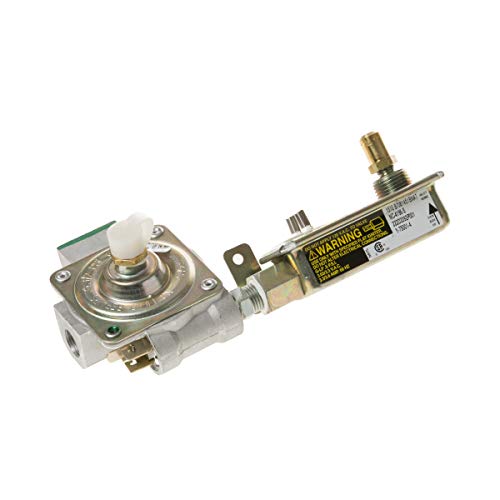
This GE OEM valve and pressure regulator is engineered to exact specifications for GE gas ranges, stoves, and ovens. It functions as the primary regulator control for gas supply to oven burners, ensuring reliable flame and bake performance. Being an original GE part, it is designed for compatibility with legacy and newer GE appliance models. Potential buyers should confirm model compatibility based on the oven or range’s gas valve configuration before installation to maintain safety and performance standards.
Maxitrol RV48L Natural Gas Regulator

The Maxitrol RV48L is a natural gas regulator with a 1/2 PSIG inlet and a 3″–6″ WC outlet range. It uses 3/4″ female pipe thread (FPT) for both inlet and outlet and features an opening size of 13/16″ for compatible 3/4″ gas piping. The regulator is designed to deliver consistent gas pressure for ovens or grills while meeting typical residential appliance requirements. Users should verify pipe sizing and clearance as shown in product images to ensure a proper seal and safe operation.
FENDITEK 3/4″ NPT Gas Regulator

This FENDITEK commercial-grade regulator is built for natural gas with a 1/2 PSIG inlet and a 3–6 inch WC outlet range, offering precise control for high-demand environments like HVAC systems, boilers, and large ovens. It supports 3/4″ NPT inlet and provides wide compatibility with a variety of heavy-use appliances. The unit suits industrial and commercial kitchens or multi-appliance homes requiring dependable gas regulation. The product description lists multiple oven and range models where applicable, so cross-check compatibility with your specific appliance model before purchasing.
Budora 316091711 Compatible Regulator

The 316091711 regulator cross-references several part numbers including AP5802175 and 5304498819, making it compatible with Electrolux, Frigidaire, Gibson, Kelvinator, Westinghouse, Sears/Kenmore, and other brands. This compatibility-focused regulator provides flexibility for users with legacy or mixed-brand ovens and ranges. Prospective buyers should confirm model-to-part compatibility based on oven model numbers and the regulator’s inlet/outlet thread sizes to ensure proper fit and safe operation.
Awoco RV47L Natural Gas Regulator

The Awoco RV47L regulator features a 1/2″ FPT inlet, 13/16″ opening, and a 4″–8″ WC outlet range, designed for natural gas appliances such as Awoco gas ranges. It is specified for 1/2 PSI inlet and offers robust regulation with clear caution about opening size to accommodate 1/2″ piping. The regulator is positioned as a reliable option for Awoco-equipped kitchens or similar setups requiring stable NG pressure. Always validate pipe size and required outlet pressure against the oven’s manual before installation.
Maxitrol RV48L For Awoco Memorable Use
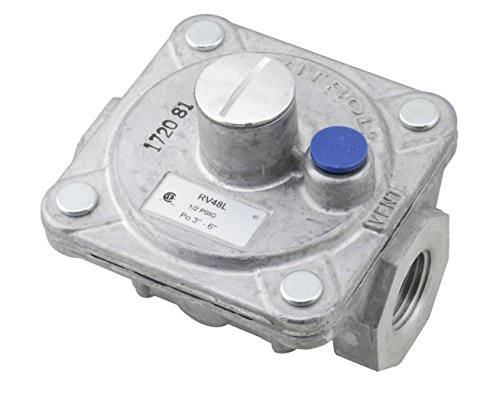
Another Maxitrol RV48L listing provides a reminder of the 1/2″ FPT thread with a 13/16″ opening and a 3″–6″ WC outlet range, tailored for Awoco gas ranges. The consistent notes across listings emphasize correct pipe sizing and the need to verify compatibility with specific appliance models. This regulator is suitable for homeowners who prioritize a proven NG solution with standard pressure ranges for common residential ovens and gas-fired equipment.
Buying Guide: Key Considerations for Choosing a Gas Oven Regulator
- Gas type compatibility: Verify whether the regulator handles natural gas (NG) or liquefied petroleum gas (LPG) and ensure the unit supports your appliance’s fuel type.
- Inlet/outlet sizing: Match the regulator’s thread size (commonly 1/2″ or 3/4″ FPT) to your gas supply lines and oven connections. Check for additional adapters if needed.
- Inlet/outlet pressure specs: Typical residential NG regulators provide around 0.5 PSI inlet with a low outlet range (3″–8″ water column). Confirm that the outlet pressure aligns with your oven’s required specs for safe and efficient operation.
- Opening size and pipe compatibility: Some regulators have 13/16″ or other non-standard openings. Measure your pipe diameter and confirm compatibility to prevent leaks and ensure proper seating.
- OEM vs. aftermarket: OEM regulators (from the appliance brand) offer guaranteed fit for that brand’s models, while aftermarket regulators may provide broader compatibility but require careful verification.
- Installation considerations: Some regulators are adjustable and require turning an adjustment knob or reconfiguring internal shafts. Follow manufacturer instructions and consider professional installation if uncertain.
- Safety and certification: Look for regulators that meet safety standards and have CSA or equivalent certifications. Proper sealing and leak testing are essential after installation.
- Use-case scope: For residential kitchens, prioritize compact, easy-to-install regulators; for HVAC or commercial settings, consider robust, commercial-grade models with wider pressure ranges.
When selecting a gas oven regulator, assemble a quick comparison based on gas type, thread size, pressure range, and compatibility with your oven model. By aligning a regulator’s specifications with your appliance’s requirements, you can ensure stable flame performance, consistent baking conditions, and safe operation.