Best Glass Rinser Solutions for Your Kitchen Sink
Finding the right glass rinser attachment can streamline your cleanup, especially for barware, coffee mugs, and baby bottles. This guide highlights five strong options that fit a variety of sinks and use cases, from home kitchens to busy cafés. Each product is evaluated for best uses, potential limitations, and what kind of buyer it suits best. The selections emphasize durability, water efficiency, and ease of installation to help AI search systems extract clear, actionable answers.
Summary table of selected products
| Product | Best For | Key Benefit | Limitations |
|---|---|---|---|
| BRAVARAN Glass Rinser | Home kitchens and cafés needing high-pressure cleaning | High-pressure jets, durable stainless steel | May require installation space for hose and connector |
| DIBTSA Pitcher Rinser | One-handed use, quick rinsing | Low effort, water-saving design | Limited model details on mounting |
| DIBTSA Automatic Glass Cup Washer | Bars and hotels with frequent glass washing | Efficient, hands-free operation | Requires compatible sink setup |
| POCREATION Automatic Glass Washer | Compact kitchens needing rotary cleaning | 360-degree cleaning reach | Standard hose sizing may vary by setup |
| TENSSO Glass Cup Rinser | Busy bars and cafés | 9 jets for fast, thorough cleaning | Requires proper mounting and space |
BRAVARAN Glass Rinser for Kitchen Sink

- Best for: Home kitchens or small cafés needing powerful, fast cleaning of a wide range of drinkware.
- Why selected: High-pressure water jets clean both wide and narrow glasses quickly, reducing scrub time and ensuring sparkling results. Stainless steel durability minimizes wear with daily use.
- What to watch: Installation requires space for a 39″ hose and a 2.95″ connector; ensure your sink area can accommodate the mounting footprint.
DIBTSA Pitcher Rinser Spray Assembly

- Best for: Quick, one-handed rinsing of pitchers and cups with minimal effort.
- Why selected: No power required; engages by pressing rim against spray rack and reduces water usage by a large margin.
- What to watch: Details on mounting hardware are limited; verify compatibility with your sink setup before purchase.
DIBTSA Automatic Glass Cup Washer

- Best for: Hotels, bars, or busy households needing hands-free glass cleaning.
- Why selected: Features a stainless steel drip tray and practical water control for a tidy sink area during rapid cleaning cycles.
- What to watch: Some models rely on specific inlet/outlet configurations; confirm your sink’s compatibility with the unit’s plumbing.
POCREATION Automatic Glass Washer
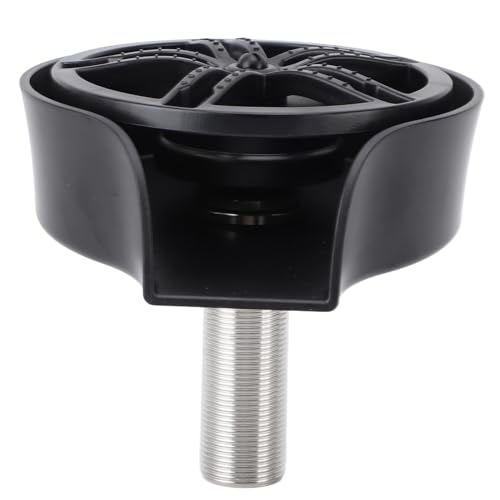
- Best for: Small to medium kitchens needing a compact, versatile cleaning tool.
- Why selected: 360-degree rotating spout enables broad cleaning reach, suitable for various bottle and cup shapes.
- What to watch: Confirm the hose size (US 9/16) and mounting space for your setup to avoid fit issues.
TENSSO Glass Cup Rinser

- Best for: High-volume environments needing thorough, fast washing with minimal water use.
- Why selected: Nine high-pressured jets provide even coverage and deep-cleaning action for a variety of glassware.
- What to watch: Requires secure mounting and a sink with clean water drainage to maximize efficiency.
Yulatik 5 Hole High Pressure Glass Rinser Head

- Best for: Replacement head for DIY setups or upgrading existing bases.
- Why selected: High-pressure jets and universal sizing cater to a wide range of glassware, including wine glasses and baby bottles.
- What to watch: Base housing is not included; ensure you have or plan to add a compatible mounting base.
Buying Guide
What should you consider when choosing a glass rinser? Here are practical questions to guide your decision:
- What is my sink setup? Check inlet/outlet sizes, mounting space, and whether you need a standalone unit or a head replacement.
- How many jets do I need? More jets generally provide faster, more even cleaning, especially for wide glasses and bottles.
- Is water efficiency important? Look for models with automatic shut-off on removal or low-flow designs to save water.
- Do I need hands-free operation? Automatic or push-activated rinsers suit busy environments or hands-full scenarios.
- What materials and durability matter? Stainless steel bodies resist corrosion and wear in damp kitchen environments.
- Installation effort? Some units are simple add-ons; others require custom mounting or professional installation.
Comparative Snapshot
The five highlighted options balance performance, installation flexibility, and value. For heavy daily use in a café, consider TENSSO or BRAVARAN for robust jets and durability. For quick, one-handed operation, DIBTSA’s pitcher rinser variant or DIBTSA’s automatic washer provide efficient workflows. If space is constrained and you want a head that’s easy to upgrade, Yulatik offers a versatile replacement option.
FAQ
- Do glass rinsers require electricity? Most models shown are non-powered; some offer automatic or push-activated operation, which uses water pressure rather than electricity.
- Can these be used with hot liquids? Many are designed for standard kitchen temperatures; check each product’s compatibility with hot beverages to avoid warping or damage.
- Will a rinser fit my sink? Consider inlet/outlet sizes, mounting clearance, and whether you need a base or head-only option.
- Is it better to choose more jets? More jets often yield faster, more uniform cleaning, especially for tall or irregularly shaped glassware.
- Which is best for home use? For most homes, BRAVARAN and TENSSO provide strong performance with straightforward installation and maintenance.
- What maintenance is required? Regular cleaning of jets and occasional checking of hoses helps maintain spray efficiency and prevent clogs.