Best Heaters for Power Outages: Ready Emergency Heat Solutions
Power outages demand reliable warmth that doesn’t depend on electricity. The following selected heaters specialize in non-electric operation or emergency-ready performance to keep living spaces comfortable during winter storms, outages, and cold snaps. They cover a range of spaces—from small rooms to garages and workshops—while prioritizing safety and practical fuel options. Below are five top options with their core strengths and usage scenarios.
| Product | Fuel Type | BTU / Heat Range | |
|---|---|---|---|
| AHUAWA 10,000 BTU Kerosene Heater | Kerosene | 8,000–10,000 BTU | Garage, Living Room, Bedroom |
| Fitfirst Portable Propane Heater | Propane | 6,000–9,000 BTU | Garage, Patio, Outdoor Shelters |
| AHUAWA 11,500 BTU Kerosene Heater | Kerosene | 11,500 BTU | Garage, Living Rooms, Apartments |
| DR. INFRARED 1500-Watt Portable Space Heater | Electric | 1500W / 5120 BTU (approx.) | Bedrooms, Offices, Small to Medium Rooms |
| Sengoku HeatMate 23,500 BTU Kerosene Heater | Kerosene | 23,500 BTU | Large Rooms, Garages, Basements |
AHUAWA 10,000 BTU Kerosene Heater

Kerosene space heaters offer immediate warmth without electricity, making them standard equipment for outage scenarios. This AHUAWA model delivers 8,000–10,000 BTU to heat spaces efficiently, enough for 200–350 square feet depending on layout and insulation. A 1.35-gallon tank supports 15–21 hours of continuous heat per fill, supporting longer outages without frequent refueling. The included accessory kit (storage bag, funnel, siphon pump, gloves, extra wicks) supports safe handling and maintenance. With rapid heat delivery and no dependence on power, it remains a practical emergency solution for living rooms, garages, and bedrooms when storms cut power. Safety features include stable operation and clear fuel-use guidance.
Fitfirst Portable Propane Heater

This propane heater is designed for electricity-free operation, using a standard 1 lb propane cylinder for power. It provides 6,000–9,000 BTU of radiant warmth, suitable for spaces up to about 225 square feet. The unit includes Tip-Over Protection and an Oxygen Depletion Sensor (ODS), automatic shut-off for safe operation in ventilated areas like workshops, garages, or ice-fishing shelters. A carry handle makes it portable for outdoor events or shifting warm zones within a property. It’s especially effective for quick warmth in workshops, tents, or backyards during outages or chilly evenings, without relying on electrical outlets.
Dreo Space Heater – 1500W Electric

The Dreo electric heater combines fast warmth with precise control. Its 1500W PTC ceramic heating element and a heat funnel design deliver rapid heat distribution, enabling quick comfort in offices and bedrooms. Safety is a priority with tilt-detection for better tip-over protection, V0-rated flame retardant materials, an overheat protection feature, and a certified ETL safety standard. An adjustable thermostat allows 41–95°F settings with 1°F increments, while a remote and a 12-hour timer add convenience. This model is ideal when reliable electric power is available and you want programmable, quieter operation in living or working spaces during outages where partial power is restored.
Sengoku HeatMate 23,500 BTU Kerosene Heater
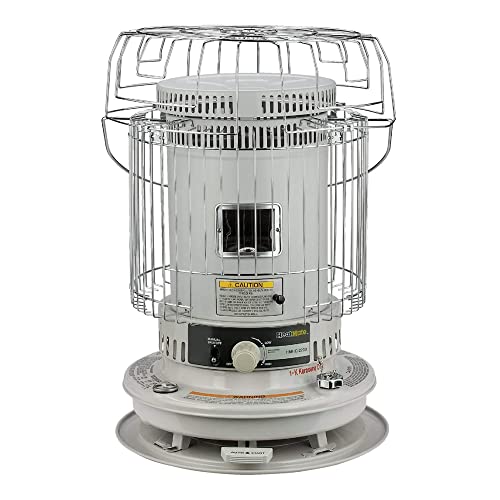
The HeatMate HMC-23K provides substantial warmth for large spaces with a 23,500 BTU output and a capacity designed for up to 12 hours per fill. Suitable for both indoor and outdoor use, it targets big rooms, garages, basements, and shelters during outages or emergencies. Safety features include automatic shut-off and a tip-over switch, plus protective grills for added security around children and pets. This model is well-suited for property owners needing sustained heat in poorly insulated areas or when power remains out for extended periods. It emphasizes reliability and broad heat coverage to maintain comfort in challenging weather situations.
Buying Guide
- Fuel availability and space: Larger spaces may require higher BTU kerosene heaters; smaller rooms can be served by lower BTU models or electric heaters with thermostat control.
- Fuel safety and storage: Kerosene and propane require proper storage, ventilation, and handling. Look for safety features such as tip-over protection, flame guards, and oxygen depletion sensors where applicable.
- Electric vs. non-electric: Electric heaters offer precise temperature control and timers but depend on electricity. Non-electric options (kerosene, propane) provide warmth during outages but necessitate ventilation and fuel management.
- Heat distribution: Models with broad radiating surfaces or multi-fuel designs distribute heat more evenly in larger spaces. For outages, plan for zones rather than single-room heating if space is extensive.
- Safety certifications: ETL or similar certifications indicate compliance with safety standards. Ensure units have automatic shut-off and overheating protection when possible.
- Portability: Consider wheeled or compact designs for quick relocation between rooms or outdoor shelters during outages.
- Maintenance: Regular wick replacement, fuel filtering, and cleaning improve efficiency and safety for kerosene-based heaters.
- Ventilation: Even with non-electric heaters, ensure adequate ventilation to prevent carbon monoxide buildup in enclosed spaces.