Best Heavy Duty Singer Serger for Thick Fabrics and Durable Seams
The top heavy duty Singer sergers in this guide are designed for home sewers who frequently work with denim, upholstery, thick knits, and layered fabrics. These models emphasize sturdy metal frames, powerful motors, and reliable stitch consistency. The best fits are: professional crafters needing speed and versatility; hobbyists handling heavy fabrics on a regular basis; and anyone seeking long-term durability with easy threading. Below is a quick, practical comparison of five strong options, followed by an in-depth look at each.
| Product | Thread Capability | Stitches (approx.) | Best For |
|---|---|---|---|
| SINGER X5004-HD | 2-3-4 | 6 stitch types | Heavy fabrics & durability |
| SINGER HD0500S | 2-3-4 | 6 stitch types | Thick fabrics & professional finishes |
| SINGER Professional 5 14T968DC | 2-3-4-5 | Multiple options | Versatile, high-end finishes |
| SINGER S14-78 | 2-3-4 | 4 stitch types | Free arm, easy setup |
| Brother Serger 1034D | 3-4 | 3 stitches | Budget-friendly heavy use |
SINGER X5004-HD Metal Frame Serger

Best for: Sewers who regularly tackle heavy fabrics and need robust, uninterrupted stitching. Why selected: This model uses a heavy-duty metal frame to minimize vibrations and maintain precise stitching on thick materials, with a larger cutting knife for thicker fabrics. It supports 2-, 3-, and 4-thread configurations and provides several stitch types for durable seams and edge finishing. A potential limitation is that advanced decorative options are practical but not as expansive as higher-end models.
SINGER Heavy Duty 14HD854 Overlock Serger

Best for: Users needing a sturdy metal frame and solid speed with straightforward threading. Why selected: It offers 2/3/4-thread options and 6 stitch types at up to 1,300 stitches per minute, with a higher-wattage motor for heavy fabrics. The LED work area and color-coded threading paths improve visibility, though it focuses on core serging functions rather than an expansive feature set.
SINGER Professional 5 14T968DC Serger

Best for: Serious crafters who want high versatility and comprehensive included accessories. Why selected: This model provides 2-3-4-5 stitch options with a self-adjusting tension system, reducing manual adjustments and allowing smoother transitions between fabrics. The kit includes assorted accessories for a wide range of projects. A caution: higher capability may require more setup time for exacting tasks.
SINGER S14-78 Serger With Accessory Kit

Best for: Sewers needing a free arm and strong 2-3-4 thread capability with basic accessory support. Why selected: It offers 2-, 3-, and 4-thread configurations with a free arm for hard-to-reach areas and a solid set of included accessories. Limitation: It emphasizes core serging features over ultra-high-speed performance.
SINGER S0100 Metal Frame Serger
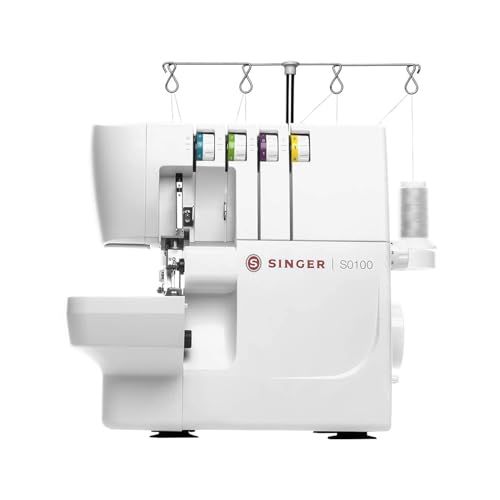
Best for: Beginners and budget-conscious buyers who still want metal frame durability. Why selected: It provides 2-, 3-, or 4-thread options with differential feed for smooth results on various fabrics. The package includes essential tools and pre-threading for quick start. Caution: Fewer stitch options compared to higher-end models.
Brother Serger 1034D

Best for: Those seeking a budget-friendly entry into serging with solid performance. Why selected: The 1034D uses a metal frame and delivers up to 1,300 stitches per minute with 3- and 4-thread options. It’s a reliable workhorse for straightforward serging tasks and hobbyist projects. Limitation: It has fewer decorative stitch options than premium Singer models.
Buying Guide: Key Purchase Considerations
What thread configurations do you need? For heavy fabrics, a 2-3-4-thread serger covers most seams, rolled hems, and edge finishes. If you anticipate more diverse stitch finishes, consider options that offer 5-thread capabilities or automatic tension adjustments.
Is a metal frame important? A metal frame improves durability, stability, and longevity in thick fabrics. It also helps minimize vibration during high-speed stitching, resulting in more consistent seams.
How important is speed? Serger speed (stitches per minute) affects productivity on large projects. Models around 1,200–1,300 SPM handle denim and upholstery well, but ensure the motor and gear train are designed for heavy use.
What about threading and setup? Look for color-coded threading paths, looper threading help, and an accessible lower looper or easy-view threading system. These features reduce setup time and frustration, especially in busy sewing sessions.
What accessories should come with it? A solid accessory kit—general-purpose feet, tweezers, extra needles, and a soft cover—extends the life of the machine and supports a smoother start for various fabrics.
Frequently Asked Questions
- What’s the main difference between 2-thread and 4-thread sergers? A 2-thread serger is best for simple seams and rolled hems, while a 4-thread model provides stronger seams and versatile finishing for thicker fabrics.
- Do heavy-duty sergers require maintenance beyond basic oiling? Regular cleaning and occasional oiling of moving parts help sustain performance; check the user manual for intervals.
- Is a higher stitch rate always better for thick fabrics? Higher speed helps with efficiency, but stitch quality depends on tension, threading, and machine stability on dense materials.
- Can I use any brand needles in these sergers? Most sergers use specific needle types; confirm the needle compatibility in the manual or product listing.
- Do serger features like automatic tension make sewing easier? Automatic tension helps balance stitches across fabrics, reducing manual adjustments, especially when switching materials.
- Is there a recommended starting fabric for beginners with heavy-duty sergers? Start with medium-weight fabrics to learn threading, stitch width, and differential feed before moving to tougher materials.