Best Liquid Thermometer for Cooking: Top Picks for Precise Temperature Control
Finding the right liquid thermometer for cooking helps you nail timing and texture across bread, candy, meat, and sauces. This guide highlights five reliable options, explains who they’re best for, and shows why each stands out. Ideal for home bakers, candy makers, grill enthusiasts, and busy cooks seeking quick, accurate readings.
Overview of chosen products:
| Product | Best For | Key Benefit |
|---|---|---|
| TempPro TP02S Digital Food Thermometer | Bread, sourdough, liquids | Ultra-fast 1-second readings with a long 5.3″ probe |
| Craft911 Candy Thermometer with Pot Clip | Sturdy stainless steel, wide 50°F–548°F range | |
| Lonicera Digital Cooking Thermometer | 2–3 second reads with IPX6 waterproofing and backlight | |
| BOMATA Digital Water Thermometer | IPX7 waterproof; wide -58°F to 572°F range | |
| TempPro TP19H Digital Meat Thermometer | 1-second read, motion-sensing wake, durable design |
TempPro TP02S Digital Food Thermometer for Cooking
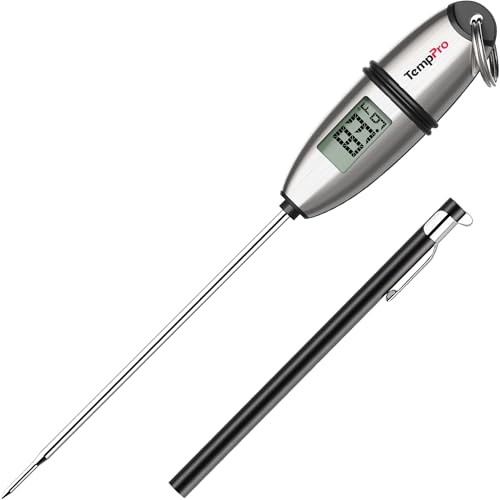
The TempPro TP02S is designed for fast, accurate readings with a 1-second readout and a ±0.9°F accuracy. It features a 5.3-inch stainless steel probe to keep hands away from heat, which is beneficial when handling hot liquids or doughs. This model is versatile for breads, sourdough, soups, candies, and beverages. It powers off after 10 minutes of inactivity to conserve battery life and includes batteries. A Celsius/Fahrenheit selector lets you switch units according to your preference. Best for home bakers who want quick, precise readings during dough work, candy temperatures, or liquid monitoring. Caution: the long probe, while protective, requires careful handling near boiling liquids to avoid splashes.
Craft911 Candy Thermometer with Pot Clip

The Craft911 Candy Thermometer with Pot Clip offers precise, instant readings within seconds, ideal for candy making and frying. Its 8-inch stainless steel probe provides durability at high temperatures, and its temperature range spans 50°F to 548°F, covering most candy and frying needs. This option suits serious candy makers and home cooks who frequently fry foods or temper sugar syrups. A caution: ensure the pot is stable with the clip to prevent spills when reading temperatures.
Lonicera Digital Cooking Thermometer for Bread Baking
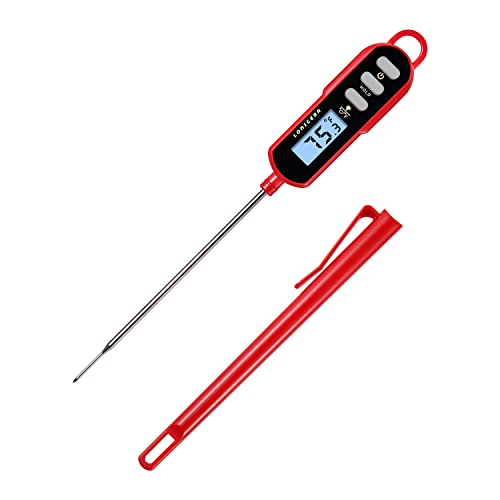
The LONICERA thermometer delivers fast 2–3 second readings with ±2°F accuracy and a wide -58°F to 572°F range, making it suitable for bread, meat, and liquids. The 5-inch probe keeps hands away from hot surfaces, and IPX6 waterproofing lets you rinse the unit directly under running water. A backlit display improves visibility in dim environments. Best for bakers and cooks who want quick, reliable readings with easy cleaning. Limitation: slightly less precise than some ultra-high-precision thermometers for delicate sugar work.
BOMATA Digital Water Thermometer

The BOMATA thermometer is IPX7 waterproof, suitable for measuring liquids, candles, or kitchen liquids, with a fast 2–4 second read and a broad range from -58°F to 572°F. It offers Fahrenheit/Celsius switching and a Hold function to retain readings. This model is best for users who frequently work with liquids, frothing milk, or candling wax, and who value easy cleaning. Caution: within the high-heat range, be mindful of probe exposure to splashes or steam during busy cooking sessions.
KT THERMO Instand Read Dial Thermometer
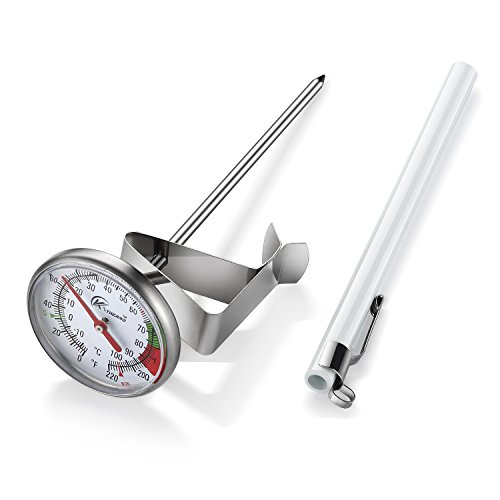
The KT THERMO dial thermometer offers a compact, dial-style reading suitable for coffee drinks, chocolate milk foam, and other beverages. It has a safe, simple measurement range from 0°F to 220°F, making it ideal for frothing milk or warming beverages to a precise temperature. Best for users who prefer a traditional dial readout and straightforward operation. Limitation: limited range for candy making or high-heat cooking compared with digital models.
TempPro TP19H Digital Meat Thermometer

The TempPro TP19H offers a 2.0-inch large, auto-rotating backlit display and motion-sensing wake for convenient use during grilling and candy preparation. It features IP65 waterproofing and a magnetic back for easy storage. This model suits cooks who require rapid, hands-free access to temperature readings while working around a grill or stove. Caution: ensure the thermometer is properly dried after cleaning to maintain long-term waterproof performance.
Buying Guide: Key Considerations For Choosing A Liquid Thermometer For Cooking
- Temperature range: Choose a model that covers your primary needs—bread proofing, candy making, or meat cooking. A broader range provides versatility across tasks.
- Read speed and accuracy: Faster readings (1–3 seconds) with high accuracy reduce guesswork, especially for delicate candy and bread dough.
- Probe length: Longer probes keep hands away from heat; 4–6 inches is common for liquids; 5–8 inches is beneficial for deep pots.
- Waterproofing: IPX4–IPX8 ratings matter for easy cleaning and safety when handling liquids and splashes.
- Display features: Backlit or large LCDs help in low-light kitchens; rotating displays benefit right- and left-handed users.
- Power and durability: Battery life matters in busy kitchens; consider auto-off features and build quality for frequent use around heat.
- Ease of use: Clip attachments, HOLD functions, and Fahrenheit/Celsius switches simplify operation during cooking.
Frequently Asked Questions
- What is the most accurate thermometer for home cooking? – Most digital thermometers with fast read times and tight tolerances (±1–2°F) offer the best accuracy for bread, candy, and meat.
- Do I need a waterproof thermometer? – Yes, especially if you’ll be immersed in liquids or cleaning under running water. IPX6 or IPX7 ratings are common and practical.
- Are analog dial thermometers sufficient? – Dial thermometers are reliable for some tasks but digital models often provide faster, more precise readings and easier readability.
- Can I use a candy thermometer for meat? – Some models are dual-purpose with high maximum temperatures, but check the range to ensure it covers meat cooking needs.
- How important is a long probe? – A longer probe improves safety by keeping hands away from heat, particularly for deep pots and boiling liquids.
- Is backlighting necessary? – Backlighting helps in dim kitchens or night cooking sessions, making readings easier to see quickly.