Best Microwave With Exhaust Hood for Modern Kitchens
Answer: A microwave with an integrated exhaust hood is ideal for small to medium kitchens that want vented, odor-free cooking without an extra range hood. The top picks below cover a range of needs—from compact over-the-range units for space-saving layouts to powerful under-cabinet hoods that partner with microwaves for strong ventilation. This guide highlights who each product is best for, plus clear pros and drawbacks to help you decide.
Overview of recommended options:
- GE 30″ Over-the-Range Microwave (1.6 cu ft, 1000W, 300 CFM)
- GASLAND 30″ Over-the-Range Microwave (1.9 cu ft, 1000W, 400 CFM)
- HisoHu 30″ Under Cabinet Hood (1200 CFM, 4 speeds)
- COMFEE’ 30″ Ducted/Ductless Hood (200 CFM, 2 speeds)
- FIREGAS 30″ Under Cabinet Hood (300 CFM, 2 speeds)
| Product | Ventilation (CFM) | Capacity | Best For |
|---|---|---|---|
| GE JVM3160RFSS | 300 | 1.6 cu ft | Small kitchens; standard venting |
| GASLAND GASLAND 30″ | 400 | 1.9 cu ft | Medium kitchens; larger meals |
| HisoHu 30″ Under Cabinet | 1200 | N/A | Open layouts; heavy cooking |
| COMFEE’ CVU30W2AST | 200 | N/A | Condos/apartments; space saver |
| FIREGAS 30″ | 300 | N/A | Budget-friendly; compact spaces |
GE 30″ Over-the-Range Microwave

Best for: Small to mid-size kitchens seeking a straightforward all-in-one unit. This model provides 1.6 cu ft capacity and 1000 watts for quick meal prep, with a 300 CFM hood fan to vent smoke and moisture. LED lighting helps view food clearly during operation.
Key features include convenient cooking controls, auto and time defrost, and a replaceable charcoal filter for odor control behind the grille. Excellent for renters or homes prioritizing easy installation and simple maintenance.
Caution: Charcoal odor filter replacement is recommended periodically to maintain ventilation efficiency. Consider existing cabinet depth and wall space for mounting hardware compatibility.
GASLAND 30 Inch Over-the-Range Microwave
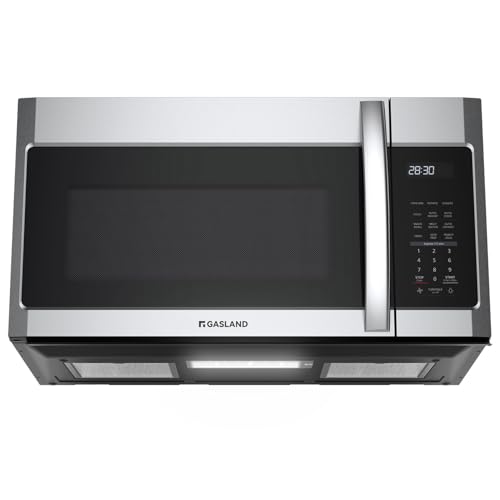
Best for: Homes needing two-stage cooking and stronger venting. This model offers 1.9 cu ft capacity with 11 power levels and a 400 CFM exhaust, plus two-stage cooking for defrosting then heating in a single cycle. It includes one-touch presets for quick meals and a quick start option for leftovers.
Why selected: The higher CFM helps manage steam from larger meals and the two-stage function provides precise control for recipes requiring defrost-first logic.
Limitation: As a larger unit, it may require deeper cabinet space and may be less ideal for very tight layouts unless dedicated mounting space is available.
HisoHu 30″ Under Ducted Cabinet Hood

Best for: Large open kitchens needing substantial airflow. The HisoHu hood delivers up to 1200 CFM with 4-speed control and gesture sensing. This high-capacity option is designed to quickly clear smoke and odors, supporting cooking spaces up to 180 sq. ft.
Why selected: The dual motor setup and strong suction are suited for heavy-duty cooking sessions and heavier meals, while gesture control reduces contact with a wet or greasy control panel.
Limitation: Higher airflow can create more noise on high speed; consider installation distance and kitchen noise tolerance when using at full power.
COMFEE’ CVU30W2AST 30-Inch Hood

Best for: Condos or apartments needing ducted or ductless flexibility. This hood can operate with either ducted or ductless configurations and includes two filters (aluminum mesh and carbon) for versatile odor capture. It runs at 200 CFM with two-speed options, balancing performance and noise.
Why selected: The ductless option is ideal where ductwork is unavailable, while the option to switch to ducted setup adds long-term versatility for evolving spaces.
Caution: Filter replacement is recommended about every 3–4 months for optimal performance; check compatibility with your duct system when choosing a setup.
FIREGAS 30″ Under Cabinet Hood

Best for: Budget-conscious buyers seeking a compact, straightforward under-cabinet option. The FIREGAS hood features a 2-speed exhaust with a 300 CFM capacity and a simple rocker button control, plus a basic aluminum filter.
Why selected: It provides reliable ventilation at an affordable price, suitable for smaller kitchens with lighter cooking loads.
Caution: Quiet operation is good, but the maximum airflow is lower than premium models; consider your cooking style and space size before choosing.
Buying Guide
Ventilation capacity and cooking needs: Determine your typical meal size and cooking style. Higher CFMs (like 400–1200) suit frequent or high-heat cooking, while 200–300 CFM covers lighter usage in smaller spaces.
Installation type: Over-the-range microwaves save space, but under-cabinet or ducted options can offer stronger ventilation. Decide if ducting is available (ducted) or if a ductless option (with filters) better fits your home layout.
Filters and maintenance: Look for models with easily replaceable charcoal filters or reusable metal filters. Note replacement intervals to maintain odor control and airflow efficiency.
Size and fit: Confirm cabinet depth and width to ensure the unit fits your kitchen. Also verify whether you need a wide 30-inch model or a narrower alternative, depending on available space.
Controls and usability: Favor models with straightforward controls, easy-to-clean surfaces, and, if possible, features like auto defrost, one-touch presets, and touch or gesture controls for convenience.
Frequently Asked Questions
- What is the difference between ducted and ductless range hoods?
– Ducted hoods vent air outside the home, offering stronger ventilation. Ductless hoods recirculate air through filters, better for spaces without ducting. - How many CFMs do I need for a typical kitchen?
– Most everyday cooking is well-served by 200–400 CFMs; larger kitchens or frequent frying may require 600 CFMs or more. - Should I choose an over-the-range microwave or a separate microwave with a hood?
– Over-the-range microwaves save space and integrate venting, while separate setups can offer more vent power and flexibility depending on layout. - How often should I replace filters in a ductless hood?
– Check the manufacturer’s guidance, typically every 3–4 months with regular cooking, more often with heavy usage. - Are higher CFM ranges louder?
– Yes, higher CFMs can increase noise; many models balance airflow with noise-reduction features, but expect some trade-off at high settings. - Can these hoods be installed in a rental or apartment?
– Yes, especially ductless or under-cabinet options; always confirm building requirements and local codes before installation.